Podcast · Episode 12
The Unreliable Narrator: Not Every Wrong Voice Is Lying
Alex and Sam examine the unreliable narrator as a storyteller whose account cannot be accepted at face value. They distinguish lying from mistake, limited knowledge, distorted perception, self-deception, bias, and selective interpretation, then consider how readers detect the gap and why an effective ending changes meaning rather than merely exposing a trick.
Alex & Sam · About 10 min
Listen here and keep browsing. Your place is saved. Autoplay continues through this programme; switch it off in the player.
Building on earlier episodes
- Episode 2: Chekhov’s Gun: When the Gun Shouldn’t Fire
- Episode 3: The Dramatic Question: What Are We Waiting to Find Out?
- Episode 6: Information Asymmetry: Who Knows What, and When?
- Episode 7: Dramatic Irony: Knowing More, Feeling More
- Episode 8: Mystery Versus Confusion: The Information a Story Owes Us
- Episode 11: Want Versus Need: The Character Beneath the Goal
Read the conversation
Alex
Unreliability Is More Than Lying
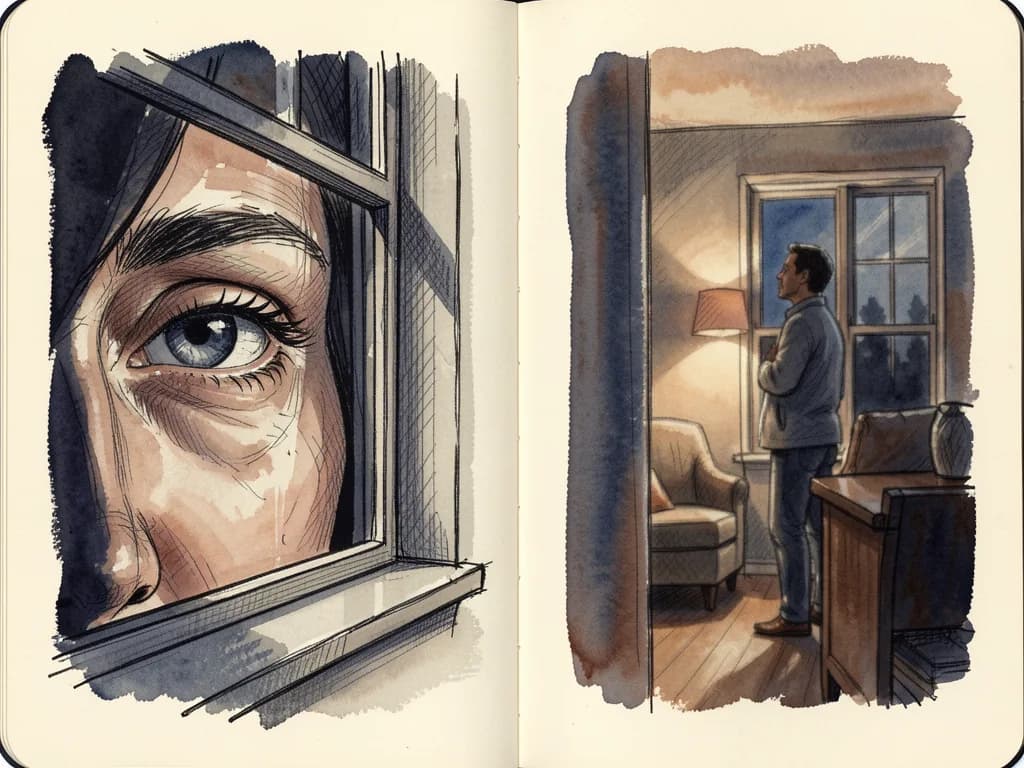
Suppose a narrator tells us, with complete confidence, that the neighbour is watching the house. We believe them—until we notice the neighbour is actually watching the narrator. Is that a liar, or something more interesting?
Sam
Possibly someone who has mistaken being noticed for being threatened. Which is useful, because “unreliable narrator” is often treated as shorthand for “person who lies,” as though fiction were a courtroom with a very dramatic witness box.
Alex
A liar knows, or believes, that the account differs from the truth and deliberately presents it otherwise. An unreliable narrator may be lying, but they may also be wrong, limited, frightened, vain, confused, or protecting a story they need to remain true.
Sam
And sometimes they are not even wrong about the facts. They can report every visible event accurately and still misrepresent what those events mean. Interpretation is where many narrators quietly begin rearranging the furniture.
Alex
Interpretation Can Distort Accurate Facts
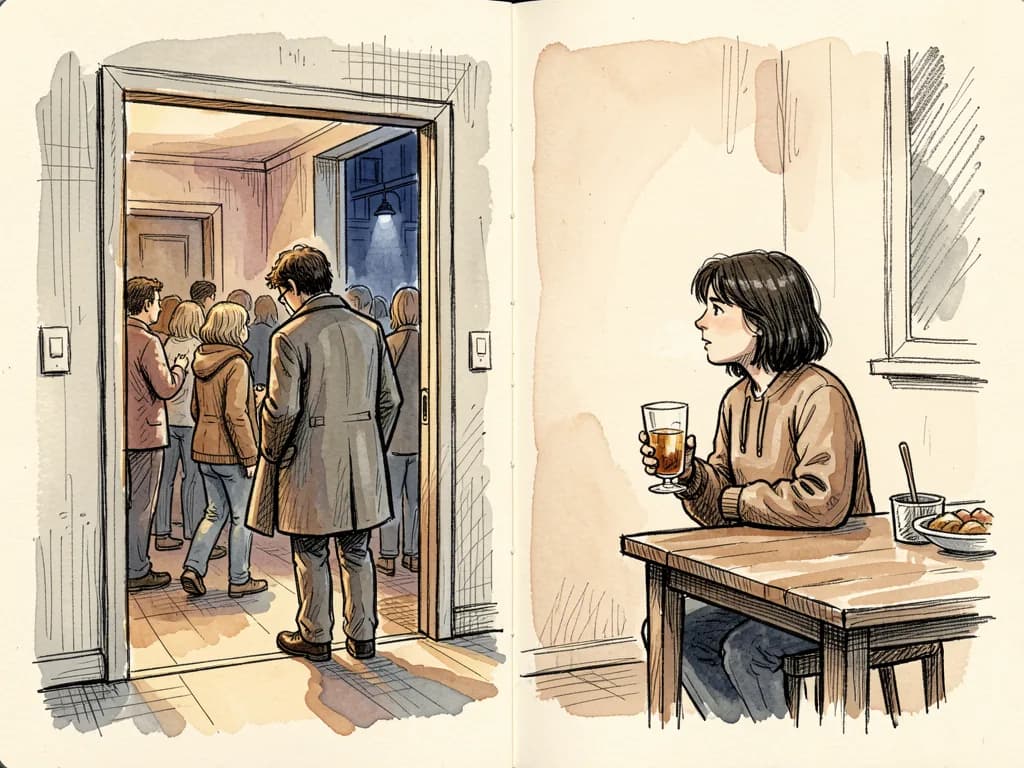
Imagine a woman describing her brother leaving a party. She says he stormed out to punish her. The observable details are solid: he put on his coat, avoided goodbye, and shut the door. Her conclusion may be an act of self-protection.
Sam
Because “he wanted to hurt me” is easier to carry than “I said something cruel, and he may have finally believed me.” That is interpretive unreliability: the narrator supplies a meaning that preserves their preferred version of themselves.
Alex
Information Asymmetry and Dramatic Irony
This connects to Episode 6’s discussion of information asymmetry. A narrator can only tell us what they know, suspect, remember, or are willing to admit. The audience may occupy a wider field of knowledge without becoming omniscient.
Sam
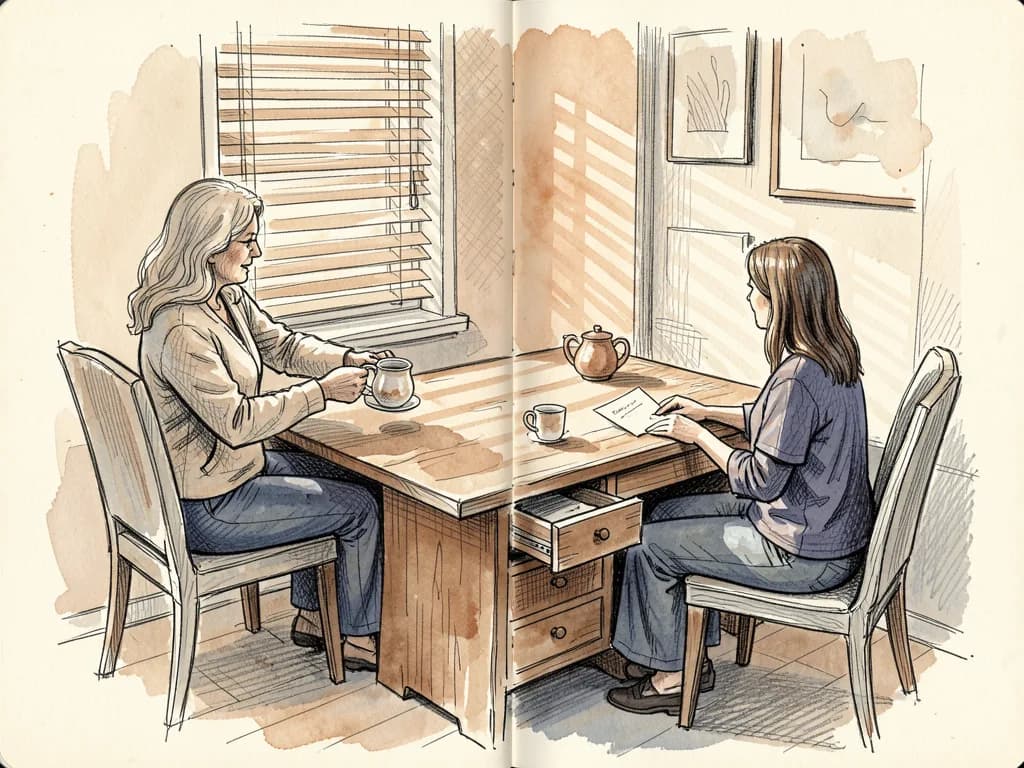
And it connects to Episode 7’s dramatic irony. If we understand that the guest is deceiving the host while the host keeps offering tea, the host is not stupid. Their trust, priorities, or social politeness may be exactly what the deception exploits.
Alex
Forms of Unreliability
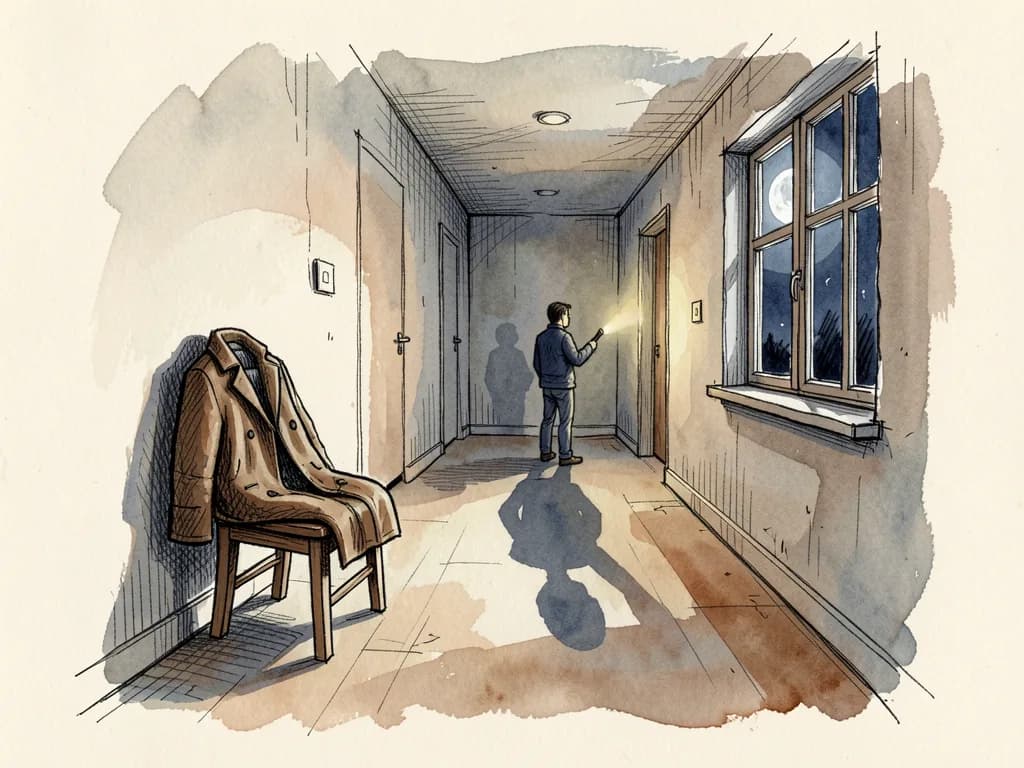
That gives us several kinds of unreliability. There is factual error: the narrator misremembers the date. Perceptual error: darkness turns a coat on a chair into a person. Interpretive error: a silence becomes punishment.
Sam
There is moral unreliability too. The narrator may describe cruelty as discipline, control as care, or cowardice as restraint. They are not simply failing to know what happened; they are managing the ethical vocabulary around it.
Alex
Omission and Moral Language
And there is selective omission. A narrator might never state, “I broke the vase,” while giving us a magnificent account of the argument, the thunder, and the cat’s suspicious behaviour.
Sam
The cat is innocent, presumably. Though if the cat has been emphasised for three pages, I will begin taking notes. That is where Episode 2 matters: emphasis creates expectation, but the expected payoff need not be a mechanical revelation.
Alex
Exactly. The cat might reveal the broken vase, or simply expose the narrator’s habit of blaming anything nearby. Unreliability can pay off through character rather than plot. The important discovery is not always who moved the object, but who needs us to care.
Sam
So how does the reader detect the gap without being handed a flashing sign saying, “Please distrust this person”? Usually through friction: the narrator’s claims conflict with their actions, with other accounts, or with details they report too carefully.
Alex
Evidence Without Turning Fiction into a Puzzle
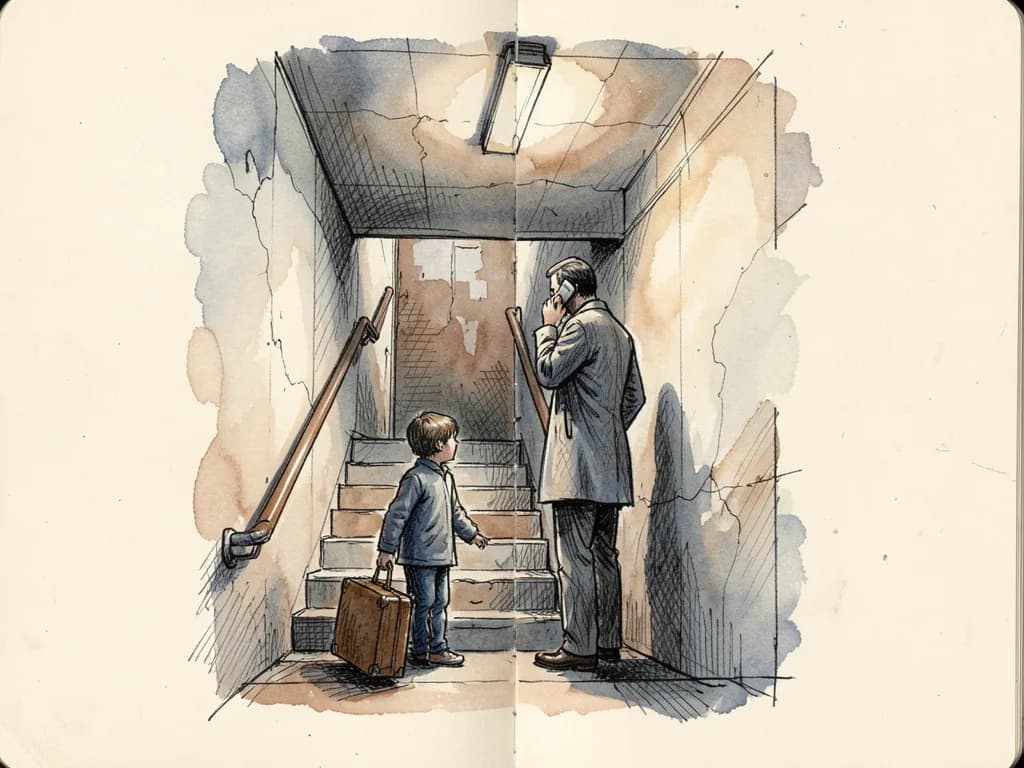
Tone can create friction as well. A narrator calls an eviction “a minor administrative adjustment” while describing a child carrying a suitcase down the stairs. The language and the scene do not occupy the same moral weather.
Sam
That is more interesting than a sudden second narrator saying, “For legal reasons, everything you just heard was nonsense.” The reader needs footholds—enough evidence to question the account, not so much that the story becomes an examination paper.
Alex
This is the distinction between mystery and confusion from Episode 8. Mystery gives us a meaningful question: why does this account feel incomplete, or what is this person refusing to see? Confusion makes it unclear what matters at all.
Sam
A reliable-seeming narrator can therefore become unreliable gradually. At first, they describe a routine. Then we notice they always quote other people precisely but summarise their own words. That imbalance may be more revealing than an obvious contradiction.
Alex
Memory offers another route. A narrator recalling childhood does not need to fabricate every scene. Memory can compress years, combine people, or preserve one sensory detail while losing the reason it mattered. The account becomes emotionally accurate and factually unstable.
Sam
Though “emotionally accurate” should not become a magic phrase that excuses anything. If every contradiction is declared profound, the reader is being asked to admire a locked drawer without ever learning why the key matters.
Alex
Memory and Self-Deception
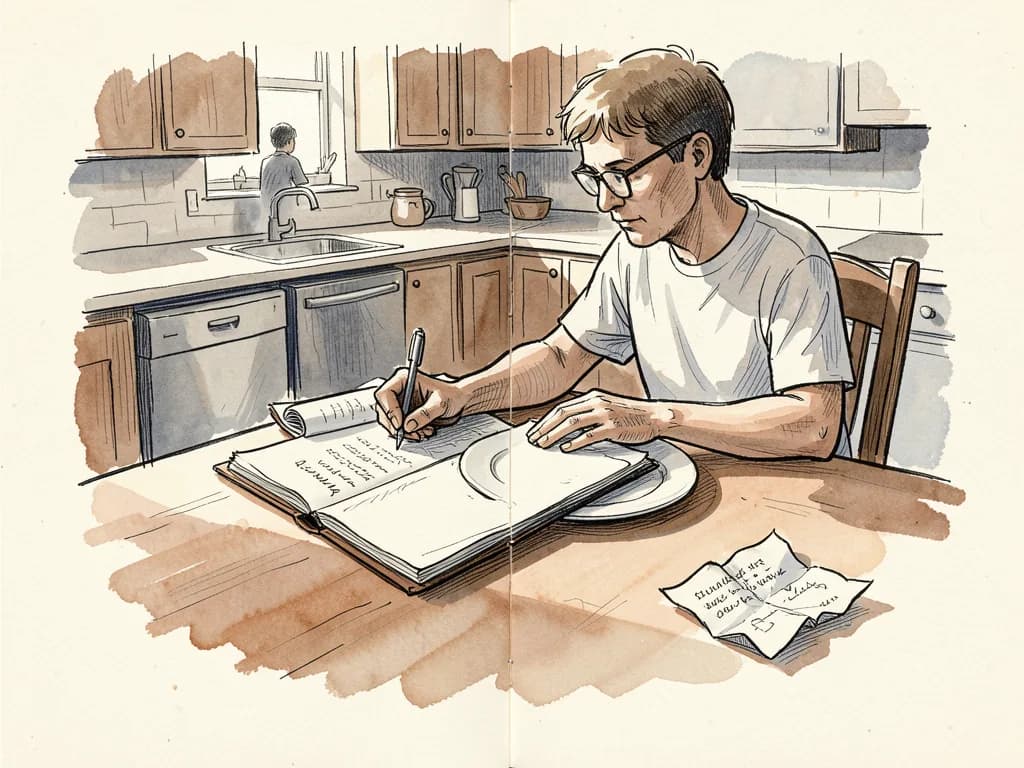
That is the writer’s obligation: make the unreliability consequential. If the narrator misremembers a birthday and nothing changes, it may be texture. If that memory lets them avoid recognising who was absent, it affects the relationship and the next choice.
Sam
In other words, ask what the distortion permits. Does it protect the narrator from shame? Preserve a romance? Make an enemy simpler? Allow them to keep moving through a house they no longer understand? Unreliability should have pressure behind it.
Alex
Unreliability Must Change What Follows
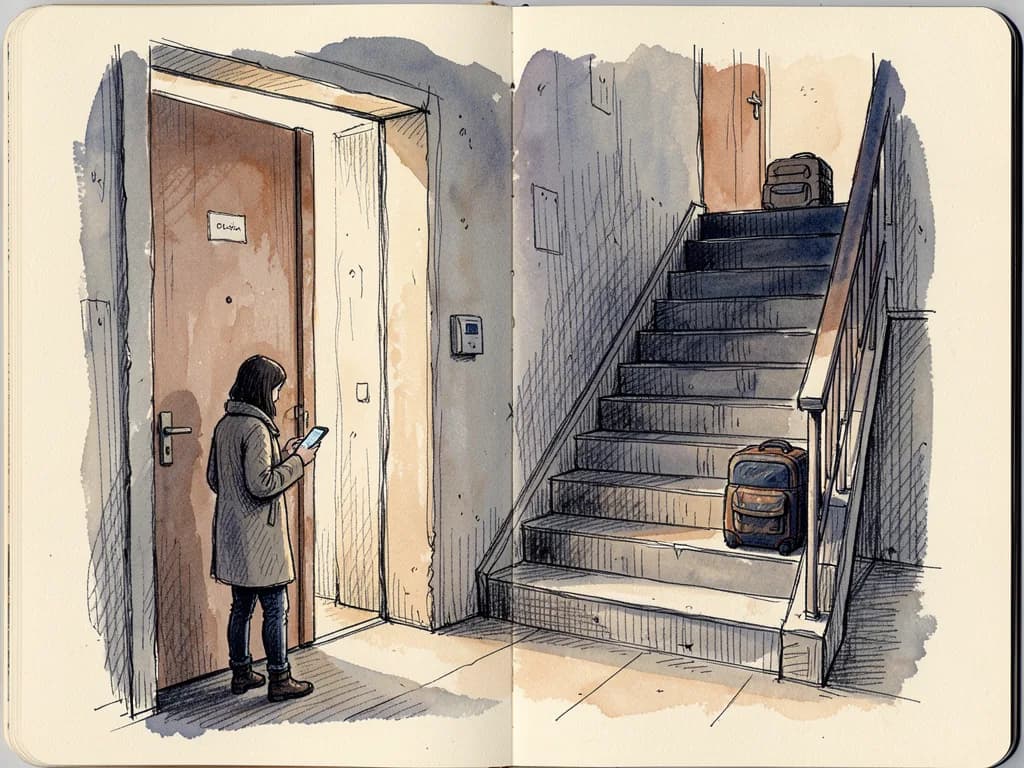
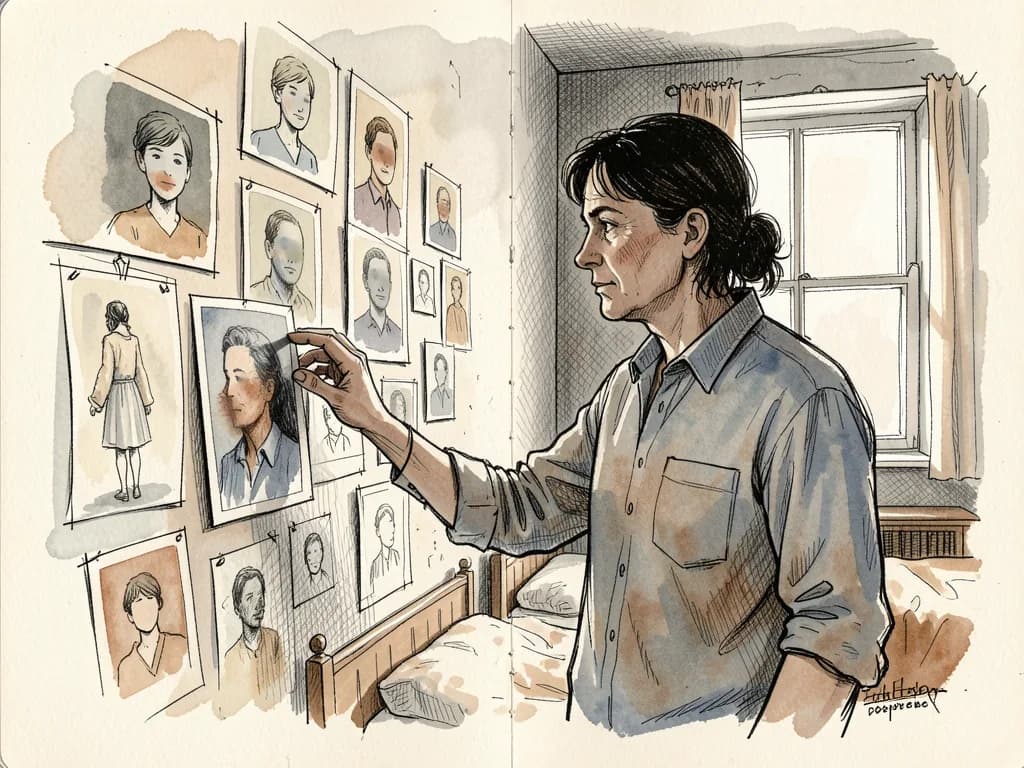
And the narrator need not be conscious of the distortion. Self-deception is often strongest when it sounds reasonable from inside. A person says, “I did not call because they needed space,” while also avoiding the possibility of rejection.
Sam
That brings us back to Episode 11’s distinction between want and need. A narrator may want us to confirm their innocence, while needing to admit that their version of events is organised around fear. The story can let them resist that admission.
Alex
They can even remain unreliable at the end. Revelation does not require a clean conversion. The narrator might learn that the neighbour was not watching the house, then decide the neighbour was sending a different warning.
Sam
Which sounds maddening, unless the refusal itself is the consequence. Sometimes the ending answers the factual question but leaves the moral one open: yes, we know what happened; no, the narrator has not accepted what it means.
Alex
That is a stronger resolution than simply exposing a trick. In Episode 3, we discussed how an answer changes the next question. Here, the reveal might shift “Did I cause this?” into “What will I do now that I can no longer describe myself as innocent?”
Sam
But there is an ethical danger. If the narration is too distorted, readers may be invited to laugh at someone whose confusion comes from grief, illness, trauma, or unequal power. Unreliability should deepen attention, not turn vulnerability into a puzzle box.
Alex
Ethical Limits of the Puzzle Box
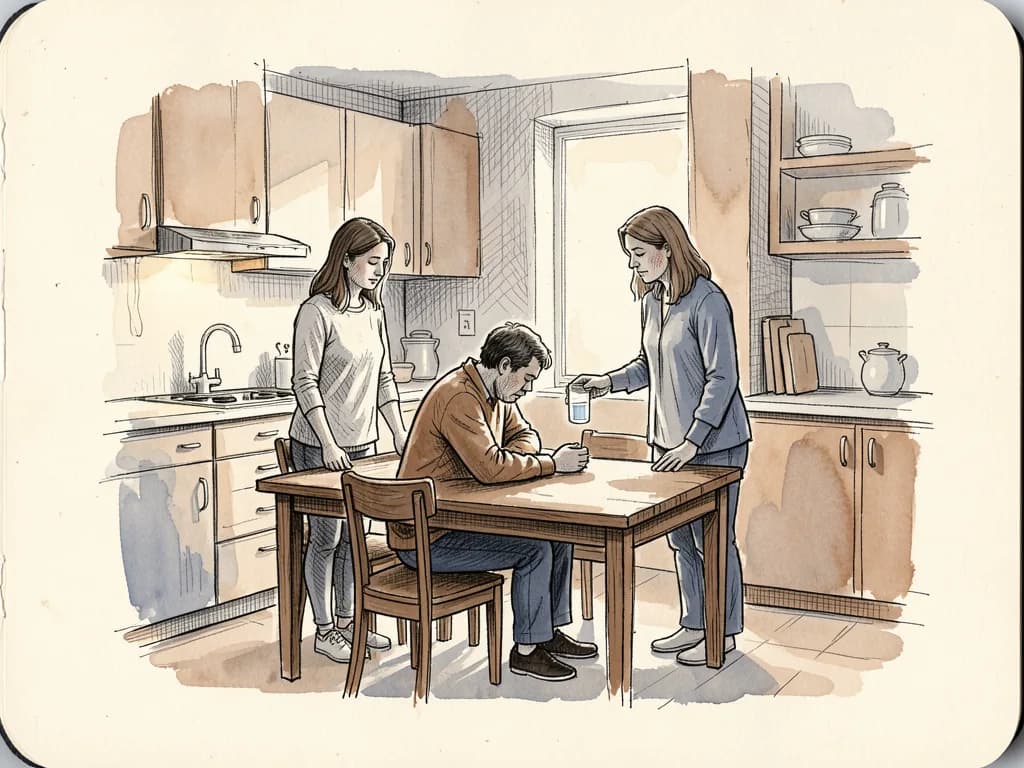
Nor should a narrator’s wrongness erase the world around them. Other people still have agency. A partner is not merely evidence that the narrator misread love; a child is not merely a clue in an adult’s psychological mystery.
Sam
That is why surrounding detail matters. The story can give us people who resist the narrator’s framing, even if they never deliver a perfect correction. Their pauses, refusals, and practical actions can widen the moral picture.
Alex
For writers, a useful revision question is: what does this narrator believe, what do they know, and what do they need to believe? Those answers should not be identical. The distance between them is where unreliability begins to breathe.
Sam
Then ask whether the reader can feel that distance before the explanation arrives. Not solve it, necessarily—feel it. A polished sentence can be suspicious when it arrives too neatly over an ugly event.
Alex
The Gap Between Belief, Knowledge and Need
And ask what changes once the gap is recognised. Does a past scene become sadder, funnier, more dangerous? Does another character gain complexity? Does the narrator lose an excuse, or discover that certainty was never available?
Sam
The best unreliable narrators do not make us say, “Aha, I was tricked.” They make us say, “I understand why this person had to tell it that way—and I can now see the cost of believing them.”
Alex
A Reveal That Changes the Next Question
So unreliability is not a licence for vagueness, and it is not a synonym for dishonesty. It is a designed relationship between a voice, a world, and the reader’s developing judgement.
Sam
A relationship with just enough evidence to stay alive, just enough uncertainty to remain human, and ideally fewer suspicious cats than I have introduced today.
Alex
Though one cat may be innocent, one may be observant, and one may be narrating the entire episode inaccurately. The question is not simply whether the voice tells the truth, but what truth becomes possible when we listen past its certainty.
Still open
- What does this distortion permit?
- What will I do now that I can no longer describe myself as innocent?
- What changes once the gap is recognised?
- What truth becomes possible when we listen past its certainty?