
The Evergreen Library
A little evergreen intellectual library around storytelling, publishing, reading, creativity and media.
With Alex and Sam
Podcast series · 12 episodes
The Evergreen Library
A little evergreen intellectual library around storytelling, publishing, reading, creativity and media.
Start · Episode 1 →
Episode 1 · About 5 min
Episode 1: Why Stories Work — Cause and Effect
Alex and Sam explore how consequences turn a sequence into a story, why readers look for motives, and where the appeal of a neat causal explanation can mislead us.
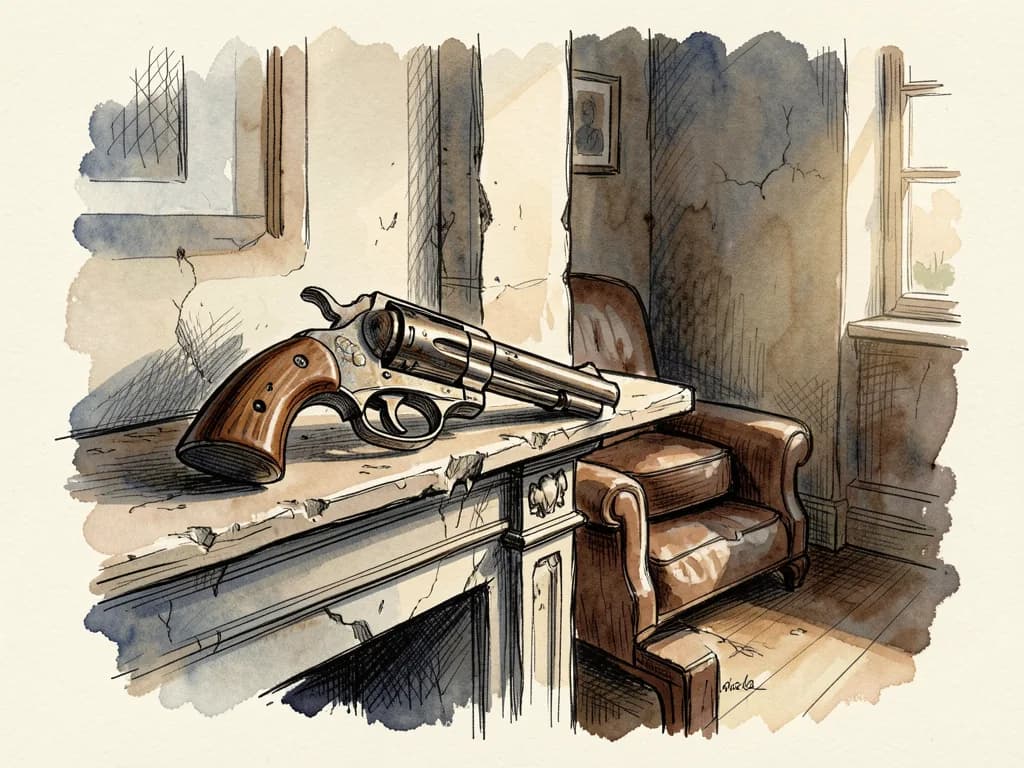
Episode 2 · About 6 min
Chekhov’s Gun: When the Gun Shouldn’t Fire
Alex and Sam examine what Chekhov’s Gun actually means, why it is often misused as a rigid storytelling commandment, and how deliberate irrelevance can make fiction feel more convincing. They distinguish planted promises from ordinary texture, explore examples involving a gun, a key and a family photograph, and finish with a practical test for deciding whether a detail earns its place.
Episode 3 · About 10 min
The Dramatic Question: What Are We Waiting to Find Out?
Alex and Sam investigate the dramatic question: the unresolved possibility that gives a story forward motion. They distinguish it from a simple mystery, connect it to desire and choice, and explore how questions can transform as characters act. The episode closes by showing how a satisfying ending answers the central pressure while allowing the story’s emotional meaning to remain larger than a single fact.
Episode 4 · About 9 min
Setup and Payoff: Why the Quiet Work Matters
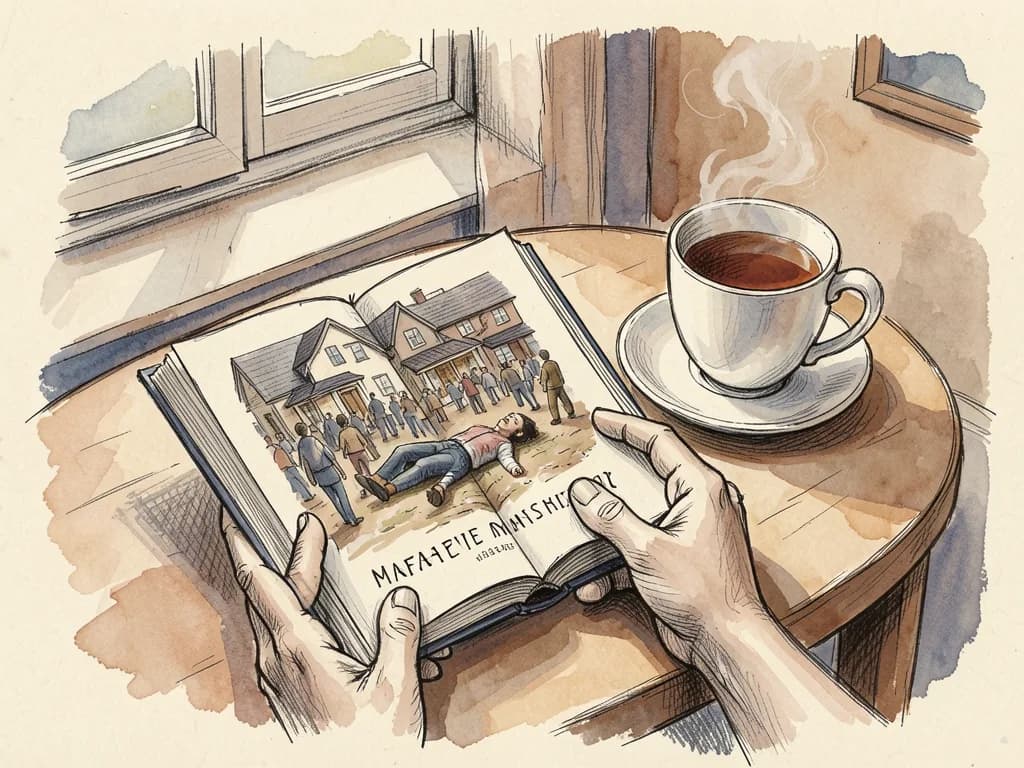
Alex and Sam examine why memorable payoffs depend less on spectacle than on the quality and variety of the preparation. They discuss planted clues, emotional readiness, character choices, false leads, deliberate irrelevance and the difference between answering a question and changing what the answer means.
Episode 5 · About 9 min
Narrative Promises: What Kind of Story Are You Asking Us to Enter?
Alex and Sam explore the quiet expectations created by genre, opening chapters, point of view and tone. They consider when those expectations become meaningful promises, how stories can surprise without feeling dishonest, and how writers can revise toward a clearer relationship with readers.

Episode 6 · About 8 min
Information Asymmetry: Who Knows What, and When?
Alex and Sam explore how uneven knowledge between readers and characters produces mystery, suspense, dramatic irony and empathy. They distinguish meaningful withholding from mere concealment, examine point of view and unreliable narration, and show how antagonists and secondary characters change a story’s pressure. The conversation ends with practical revision questions and a view of information as a relationship rather than a supply of clues.
Episode 7 · About 8 min
Dramatic Irony: Knowing More, Feeling More
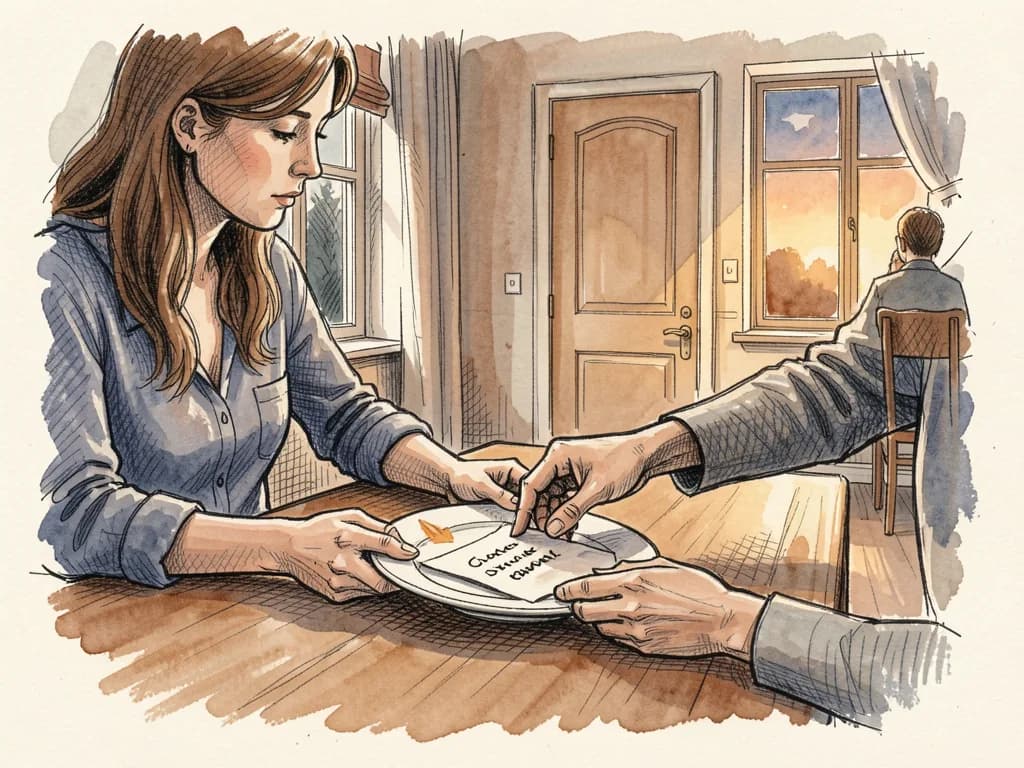
Alex and Sam explore why stories can become more tense when the audience knows crucial information that a character lacks. Through imagined scenes, they distinguish dramatic irony from mystery and suspense, examine its emotional and ethical effects, and show how unequal knowledge can make ordinary choices feel dangerous, tender or heartbreaking.
Episode 8 · About 9 min
Mystery Versus Confusion: The Information a Story Owes Us
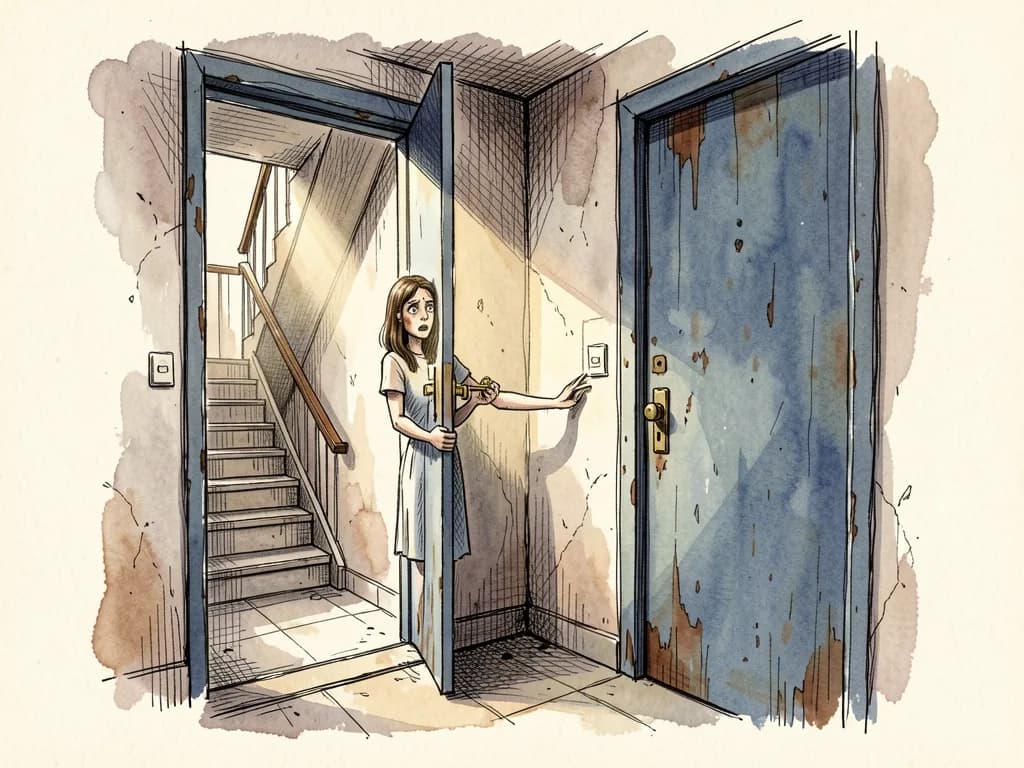
Alex and Sam examine the fine line between an intriguing mystery and simple confusion. Through imagined examples involving a blue door, a missing key and an unexpected guest, they explore what information an audience needs, how mystery differs from suspense and dramatic irony, why ambiguity can be satisfying, and how a reveal should change the meaning of what came before.
Episode 9 · About 7 min
The Principle of Consequence: What Changes After the Moment?
Alex and Sam examine why events feel meaningful when they permanently alter later possibilities. They distinguish consequence from simple sequence, explore choices and omissions, consider how objects and quiet habits accumulate significance, and ask how chance and open endings can still produce satisfying change.
Episode 10 · About 8 min
Character Agency: Who Makes the Next Thing Possible?
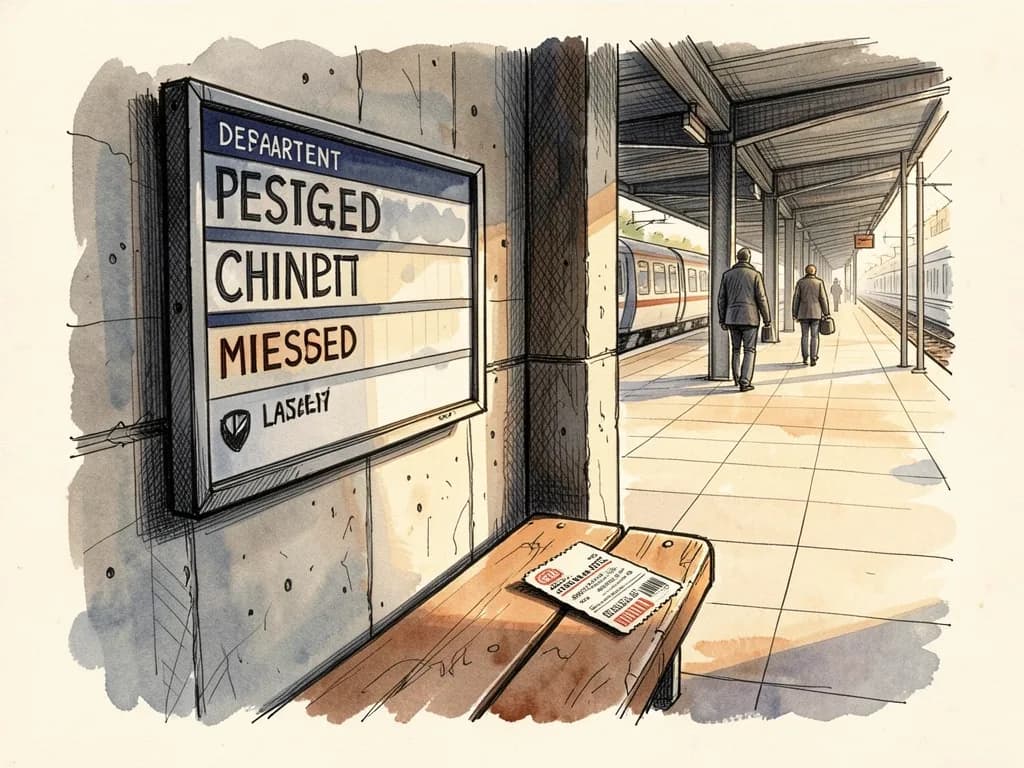
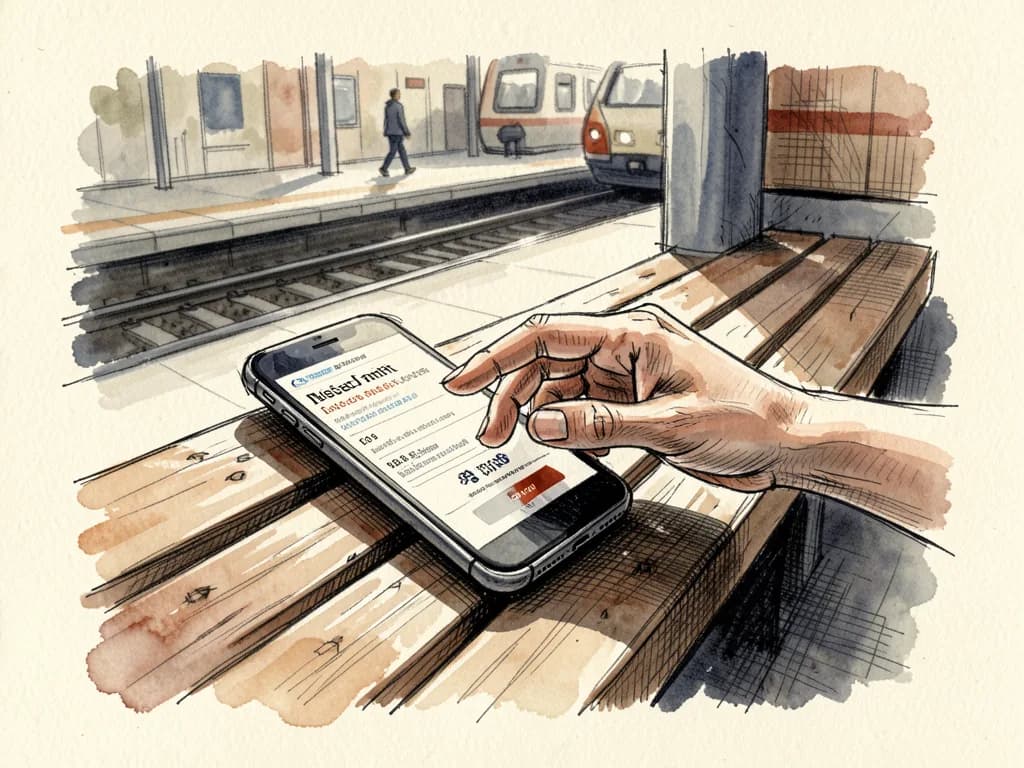
Alex and Sam explore character agency as the relationship between choice and consequence. They distinguish action from mere activity, freedom from agency, and responsibility from control, showing how silence, interpretation and habit can shape a story as powerfully as dramatic gestures. The conversation develops an imagined story about a missed train and an estranged brother, then asks how writers can make decisions legible without turning characters into machines or moral diagrams.
Episode 11 · About 7 min
Want Versus Need: The Character Beneath the Goal
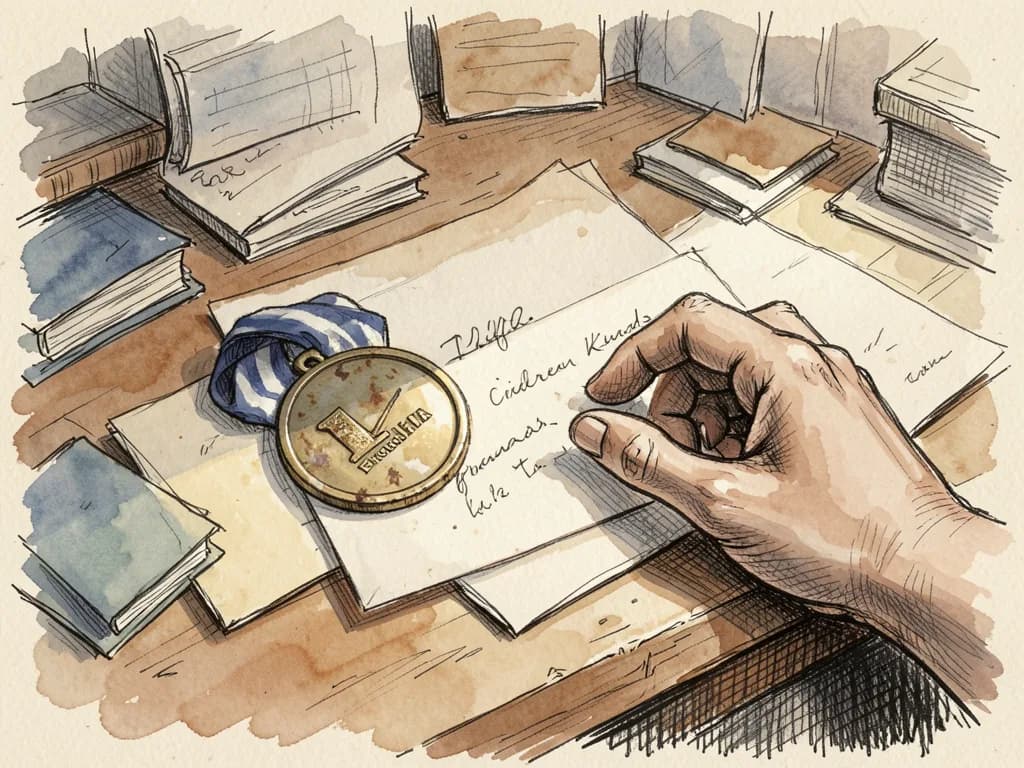
Alex and Sam explore the familiar storytelling distinction between what a character wants and what they need. They examine the model’s practical origins, its value in shaping conflict and consequence, and the danger of treating it as a mandatory character worksheet. The conversation ends with a more flexible set of questions for writers and readers.
Episode 12 · About 10 min
The Unreliable Narrator: Not Every Wrong Voice Is Lying
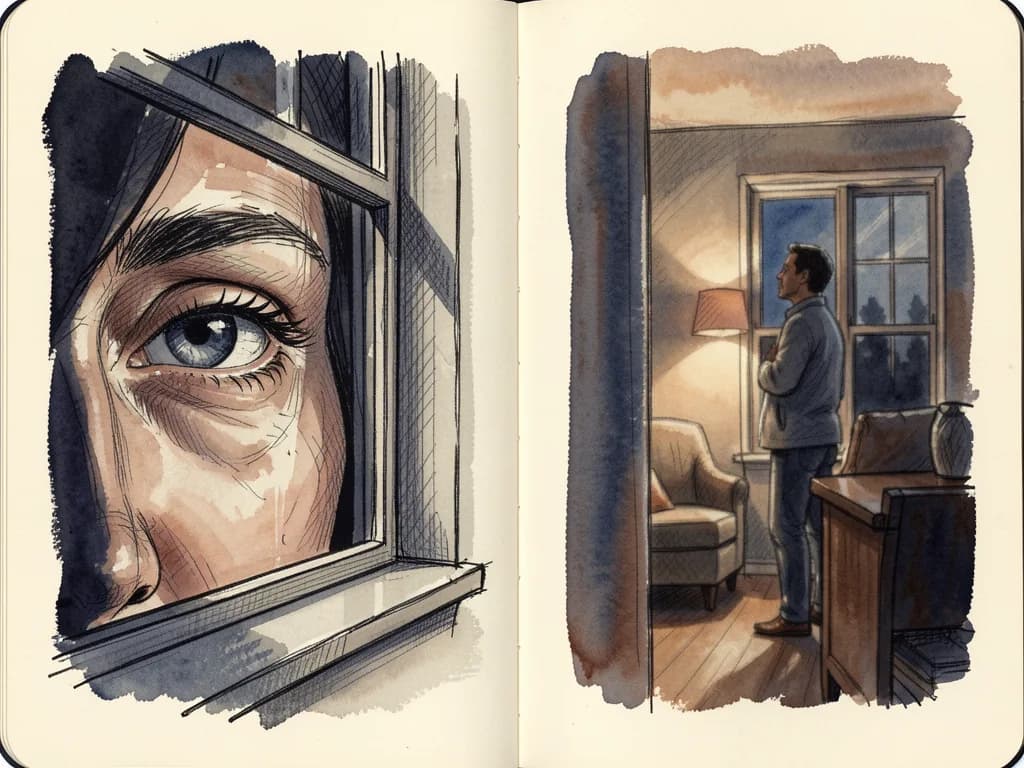
Alex and Sam examine the unreliable narrator as a storyteller whose account cannot be accepted at face value. They distinguish lying from mistake, limited knowledge, distorted perception, self-deception, bias, and selective interpretation, then consider how readers detect the gap and why an effective ending changes meaning rather than merely exposing a trick.