Podcast · Episode 7
Dramatic Irony: Knowing More, Feeling More
Alex and Sam explore why stories can become more tense when the audience knows crucial information that a character lacks. Through imagined scenes, they distinguish dramatic irony from mystery and suspense, examine its emotional and ethical effects, and show how unequal knowledge can make ordinary choices feel dangerous, tender or heartbreaking.
Alex & Sam · About 8 min
Listen here and keep browsing. Your place is saved. Autoplay continues through this programme; switch it off in the player.
Building on earlier episodes
Read the conversation
Alex
Why revealed danger creates tension
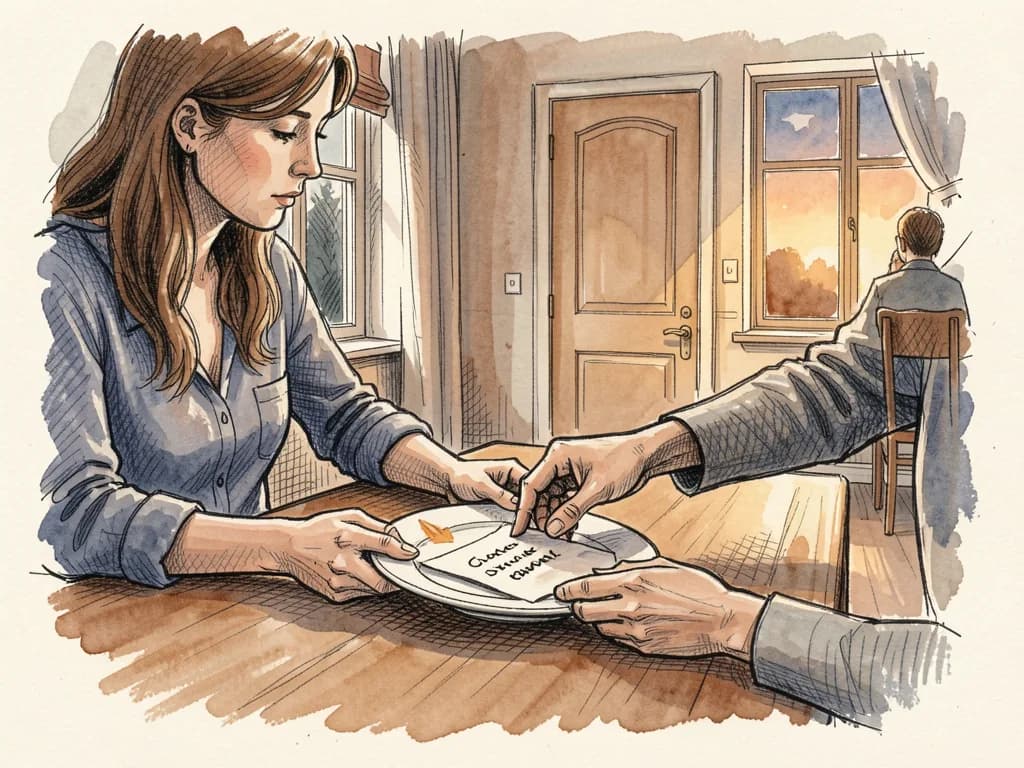
Imagine a woman setting the table for dinner. We know someone has slipped a note beneath her plate warning that the guest is lying. She doesn’t know. She smooths the napkin, checks the oven, and opens the door. Why does that feel tense when the secret is already ours?
Sam
Because the question isn’t simply, “What is hidden?” We’re watching her move through a situation whose meaning has changed, while she still inhabits the old meaning. Every ordinary action becomes exposed. The glass she places down may be hospitality to her, evidence of danger to us.
Alex
That’s dramatic irony: a significant difference between what the audience understands and what a character understands. It sounds as if extra information should make things easier. In practice, it can make us painfully aware of what the character is about to risk.
Sam
And it gives us a peculiar responsibility. We can see the trap, but we can’t necessarily reach into the story and stop her. So our attention shifts from discovering the fact to watching what she does without it—and asking what we would do if we had her confidence.
Alex
Dramatic irony versus mystery and suspense
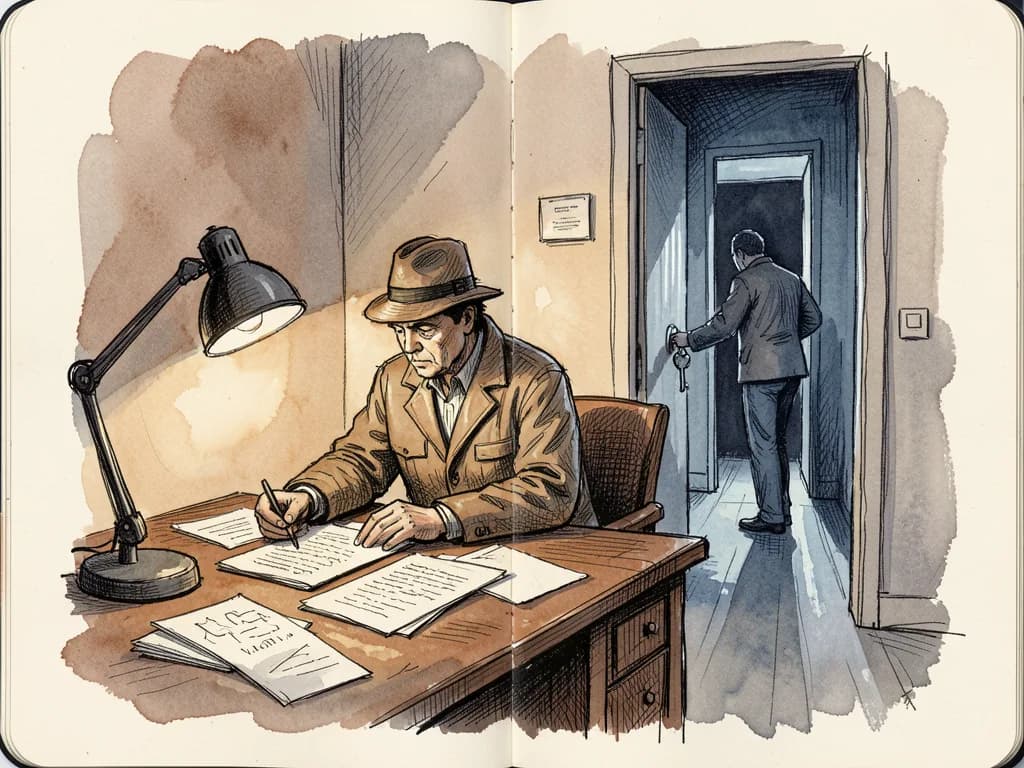
It helps to separate this from mystery. In a mystery, the audience may stand beside an investigator, assembling fragments to discover who caused an event. The pleasure comes from moving toward knowledge. Dramatic irony begins with an uneven distribution: we already know something the character does not.
Sam
Suspense is different again. There, we might know the danger before the character does: the person enters the room, and we see the open window behind them. Dramatic irony is the relationship created by that gap. Suspense is one effect it can produce, but not the only one.
Alex
It can produce comedy too. Picture a guest hiding behind a curtain while the host complains, in great detail, about the guest’s terrible hat. The host thinks he is alone; we know he has an audience. The tension is social rather than deadly, but the structure is similar.
Sam
Knowledge turning ordinary actions emotional
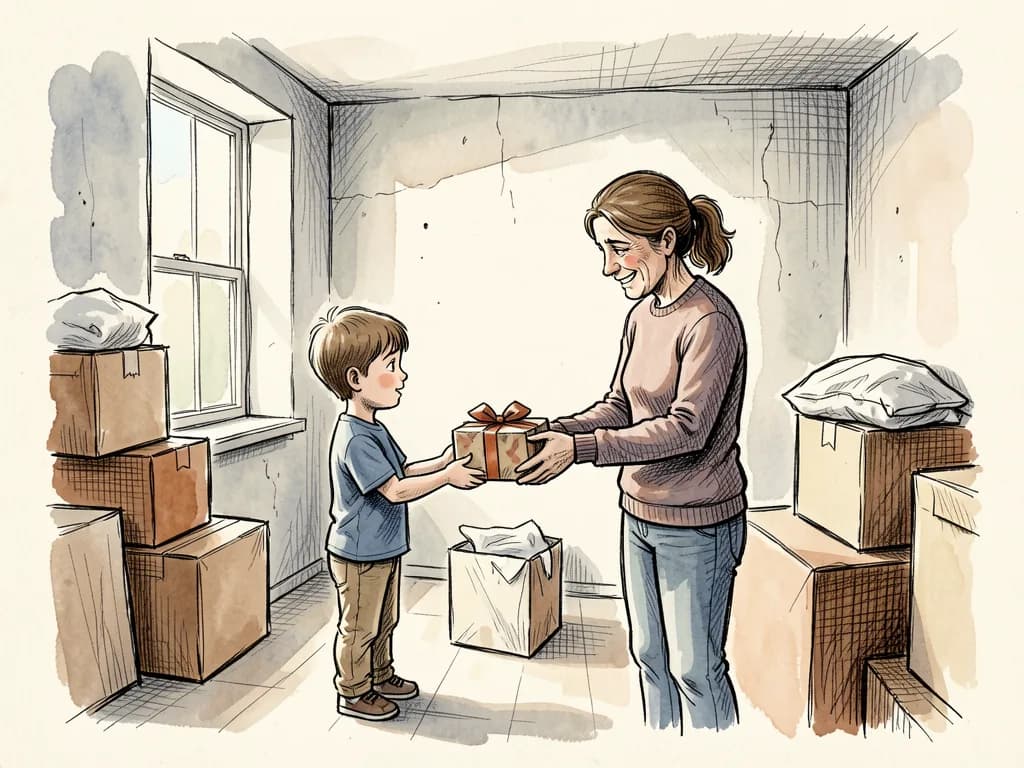
And sometimes it produces tenderness. A child gives a parent a handmade present, believing the parent will be delighted. We know the parent has just learned the family may have to move. The smile becomes complicated—not false, exactly, but carrying knowledge the child cannot yet share.
Alex
That complexity is important. The parent isn’t foolish for withholding the news in that moment. They may be trying to protect the child, or simply finding the first seconds impossible. Limited knowledge should feel like a human condition, not a convenient switch the writer flips to keep someone ignorant.
Sam
Characters need plausible reasons not to know
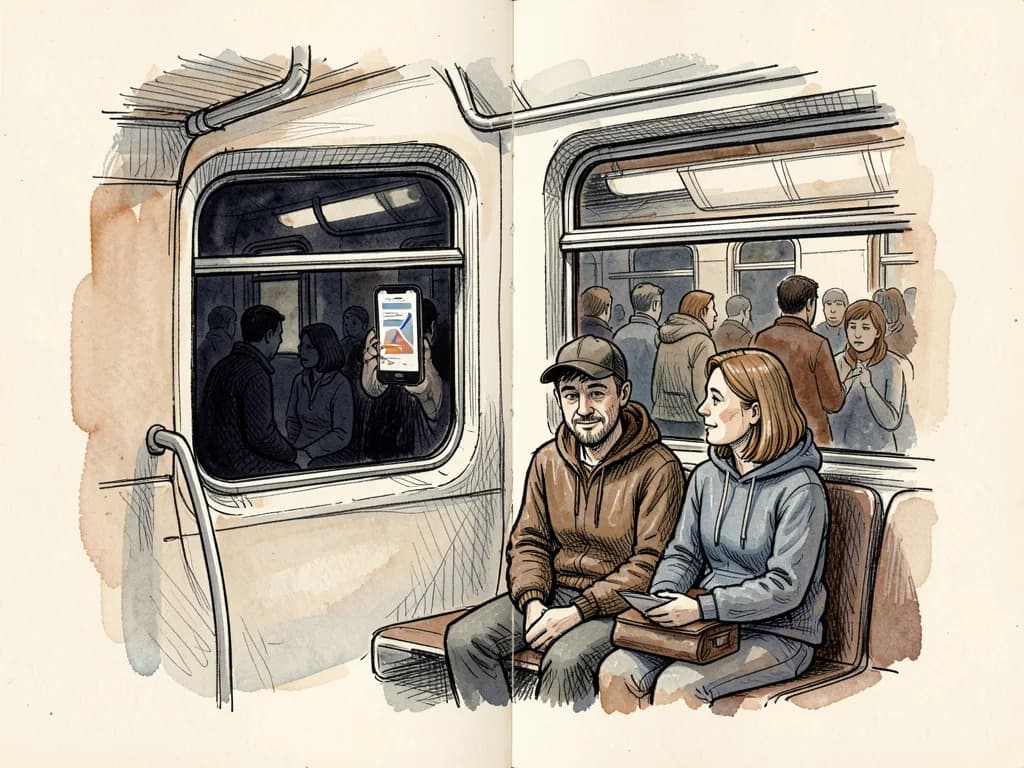
Yes. If a character misses an obvious fact only because the plot requires it, the audience may stop worrying and start auditing. But if the character has a plausible reason—a different priority, a trusting relationship, a private fear—the gap becomes part of their character. What they don’t know shapes what they choose.
Alex
That connects with Episode 1, where an event mattered because it changed what became possible. Here, knowledge changes the conditions around a choice. The audience sees a decision as dangerous, while the character sees it as ordinary. Same action, different world.
Sam
And the gap can move. Suppose the character notices the missing note but misreads it as a joke. Now we know she has received information, but not its significance. The question changes from “Will she find out?” to “Can she interpret this before acting?”
Alex
Meaning shifts as information moves
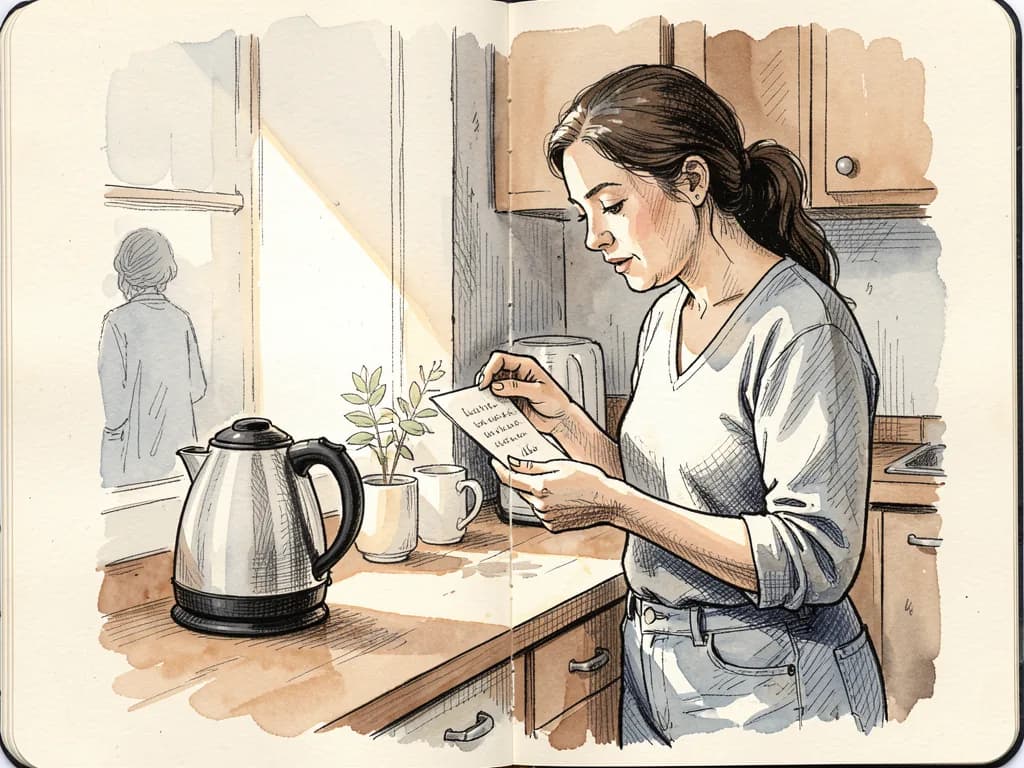
That movement keeps dramatic irony from becoming a one-note warning bell. It can involve suspicion, denial, self-deception or an audience that understands consequences more clearly than causes. We may know the marriage is ending, while the characters still argue about the dishes.
Sam
Which is where the ordinary detail becomes powerful. A person folds a towel, deletes a message, or asks whether there’s any milk left. We understand that the domestic question is sitting beside a much larger one. The small action doesn’t need to trigger the plot; it can reveal distance.
Alex
That recalls Episode 2’s point about emphasized details: an object doesn’t have to become a mechanical clue. If we know the blue coat belongs to someone who plans to leave, the coat can gather emotional pressure without hiding a secret compartment. Its meaning comes from the knowledge around it.
Sam
There’s also an ethical risk. Giving the audience more information can make us feel superior to the character. A weak version invites us to laugh at someone for not seeing what seems obvious. A stronger version asks us to recognise how information, trust and circumstance limit everyone’s view.
Alex
Dramatic irony and the ethics of sympathy
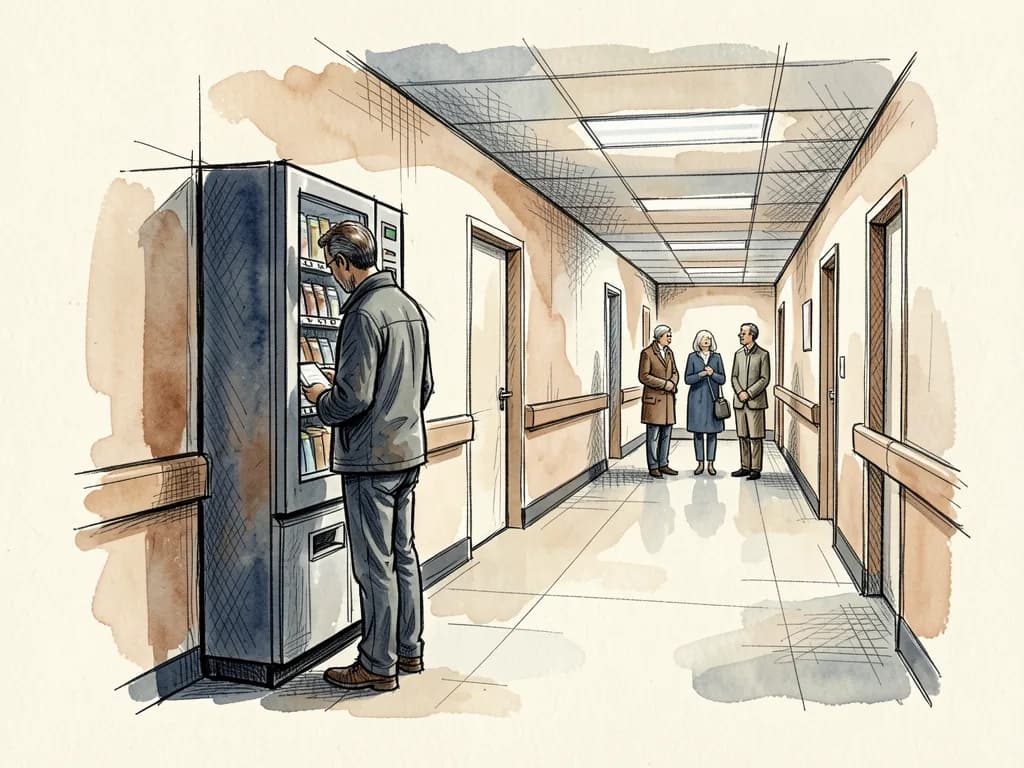
Exactly. The audience’s knowledge should deepen attention, not flatten the character into a puppet. If we know a friend is betraying someone, we can still understand why the betrayed person trusts them. That trust is not stupidity; it may be history, affection or a reasonable reading of the evidence available.
Sam
And revelation shouldn’t automatically absolve anyone. Learning that a character was deceived can reshape our interpretation, but it doesn’t erase the consequences of what they did while deceived. Knowledge changes meaning; it doesn’t magically tidy the moral room. I’d like that on a kitchen magnet, beside “buy garlic.”
Alex
A useful test is to ask: who knows, who suspects, who misunderstands, and what does that difference make possible? Episode 6 raised the question of whose experience is shaped by withheld information. Dramatic irony makes that question immediate, because we feel the cost from both sides of the gap.
Sam
It also links to Episode 3’s dramatic question. We may begin with “Will she make the call?” But if we know the brother is waiting beside his phone, the sharper question could become “What can either of them bear to say when contact finally happens?”
Alex
From ‘what happens’ to ‘what can be said’
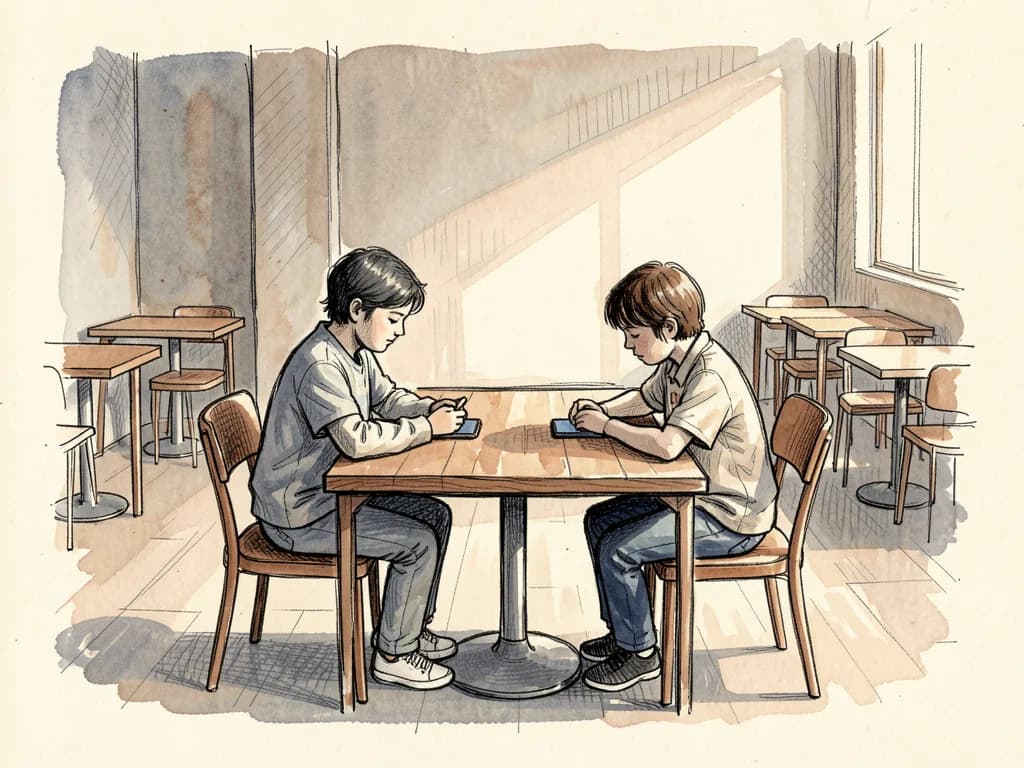
That is why the best use of dramatic irony is not simply warning us that a door is unlocked. It makes us watch a choice acquire meaning before the character can see it. We anticipate the event, but we also wonder whether understanding will arrive in time—and what it will change.
Sam
So more information can create less comfort. We know the appointment will go badly, the message has been read, or the welcome is being accepted under false assumptions. Yet we keep listening because knowledge has made the character’s next action more consequential, not less.
Alex
And when the character finally learns what we knew, the story doesn’t have to explain everything. The satisfying change may be a refusal, an apology, a new silence, or simply a different way of looking at the same room.
Sam
Which leaves us with a generous definition of dramatic irony: not a trick that makes audiences clever, but a designed difference in understanding that lets an action carry several meanings at once. We know more, perhaps—but the character may still know something about living through it that we don’t.
Alex
That feels like the real tension. We are ahead in information, but not necessarily ahead in wisdom. And as the door opens, the question is no longer only what she will discover. It is what all that knowledge will ask her—and us—to do.
Still open
- Can she interpret this before acting?
- Will understanding arrive in time, and what will it change?
- What will all that knowledge ask her—and us—to do?