Podcast · Episode 3
The Dramatic Question: What Are We Waiting to Find Out?
Alex and Sam investigate the dramatic question: the unresolved possibility that gives a story forward motion. They distinguish it from a simple mystery, connect it to desire and choice, and explore how questions can transform as characters act. The episode closes by showing how a satisfying ending answers the central pressure while allowing the story’s emotional meaning to remain larger than a single fact.
Alex & Sam · About 10 min
Listen here and keep browsing. Your place is saved. Autoplay continues through this programme; switch it off in the player.
Building on earlier episodes
Read the conversation
Alex
A Question Becomes Dramatic When It Matters
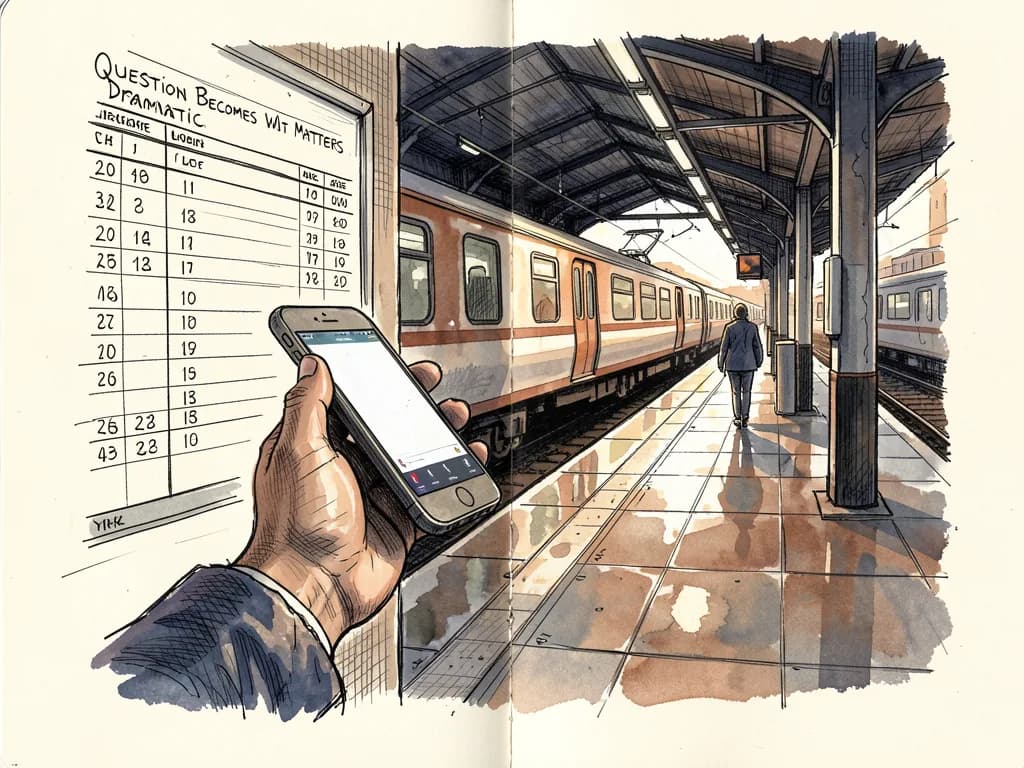
Imagine a woman standing outside a closed railway station, phone in hand. One train has gone, another is due in twenty minutes, and she is deciding whether to call her brother. What keeps us listening: where the train goes, or whether she presses the button?
Sam
Probably the button. The train is practical; the call is loaded. She may be late for an appointment, but the real uncertainty is whether she will reopen something she has carefully kept shut.
Alex
That is the dramatic question: an unresolved possibility that matters because it is attached to desire, risk or change. It is not simply, “What happens next?” It is, “What will this person do, and what will that decision mean?”
Sam
And it needn’t arrive wearing a little sign saying IMPORTANT. A teenager hovering over an unsent message can carry a dramatic question. So can a chef deciding whether to serve a dish that has gone slightly wrong. We lean in because a choice is forming.
Alex
Exactly. Stories create forward motion by placing a meaningful uncertainty in front of us. The uncertainty can concern an action, a relationship, a discovery, or an outcome, but the listener needs a reason to care about its resolution.
Sam
Which is why a question can be technically unanswered and still feel empty. “What is behind the door?” is only suspense if the room, the person opening it, or the consequences make that door matter.
Alex
Forward Motion Comes From Meaningful Uncertainty
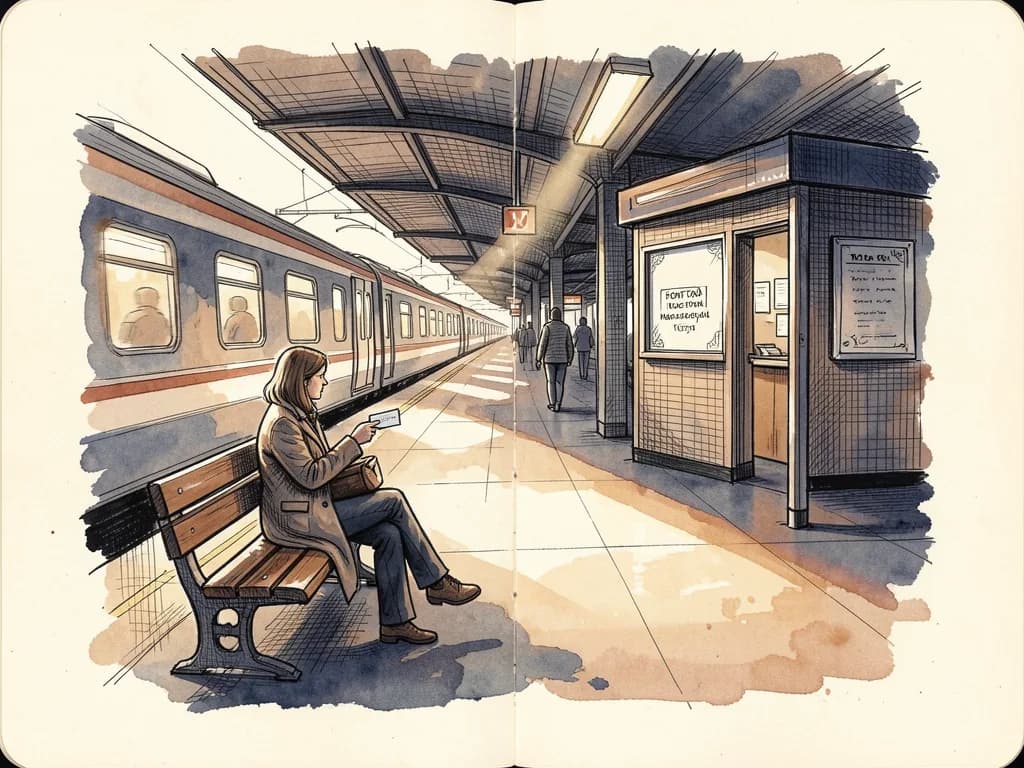
Let’s make the station scene harder. The woman is not merely deciding whether to call. She promised herself she would never call again, and her brother may be the only person who knows why she left home.
Sam
Now the question has a past pressing against the present. Will he answer is one question. What happened between them is another. The first creates anticipation; the second creates curiosity.
Alex
Curiosity, Suspense and the Emotional Decision
Those can work together, but they are not identical. Curiosity looks backward for missing information. Suspense looks forward toward an uncertain outcome. A dramatic question often combines both, while keeping the emotional decision in view.
Sam
And the question should not be confused with a puzzle. A puzzle asks us to assemble facts. A dramatic question asks us to inhabit pressure. We might not know the family history, but we can understand the dread of hearing a familiar voice.
Alex
That connects with our earlier discussion of cause and effect in Episode 1. An event becomes dramatically useful when it changes what is possible, difficult or unavoidable. The dramatic question is often the shape that changing possibility takes in the listener’s mind.
Sam
So if the woman misses the appointment, the call becomes more urgent. If she finds an old number in her coat, the past becomes physically present. But the objects do not create drama by themselves; they gain force from what she wants and fears.
Alex
Right. A question needs pressure. Suppose she wants forgiveness but fears discovering that forgiveness is impossible. Now either outcome costs her something. The story is not just delaying a call; it is testing the future she thinks she wants.
Sam
Character Desire Creates Pressure
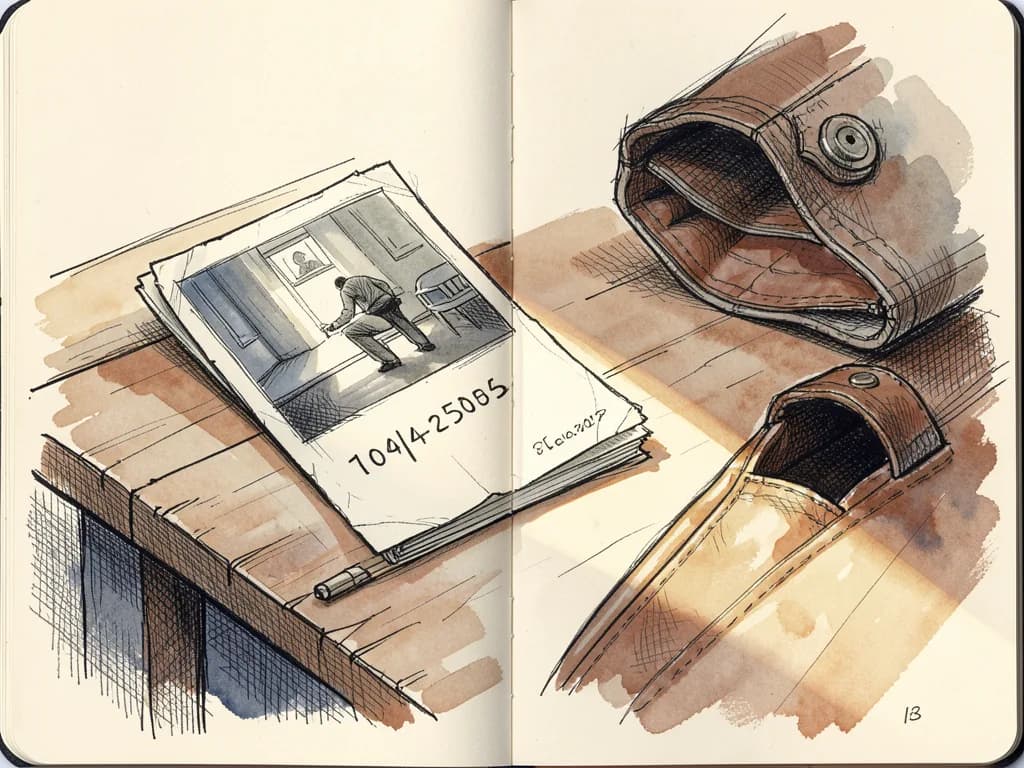
This is where character produces plot, rather than standing around waiting for plot to happen. Her habits, loyalties and evasions generate the next move. If she always avoids direct speech, a voicemail may be more dramatic than a confrontation.
Alex
And the answer can be an action that changes the question. She calls, but her brother does not answer. We have resolved whether she tried, while opening a new uncertainty: will he call back, and what will she say if he does?
Sam
That is a useful distinction. A story does not need one giant question held intact until the final sentence. It can answer smaller questions, revise the central one, and make the listener feel progress rather than postponement.
Alex
Otherwise we get the literary equivalent of someone rattling a locked door for three hundred pages. Intriguing at first, perhaps, but eventually I would like either a key, a reason for the lock, or permission to go home.
Sam
The danger is especially clear with mystery. If every answer only produces another secret, the story may appear deep while simply refusing to commit. Openness is not the same as withholding everything.
Alex
A satisfying answer does not have to explain every detail. It has to answer the question the story taught us to care about. If the central pressure is whether she can risk contact, a perfect family chronology may be unnecessary.
Sam
That echoes the idea of emphasis we explored in Episode 2. A highlighted detail creates an expectation, but not always a mechanical payoff. A photograph might reveal attachment rather than unlock a conspiracy.
Alex
And the dramatic question can be emotional rather than factual. We may learn exactly why the siblings fell out, yet still need to see whether knowledge changes her behaviour. Information is not automatically resolution.
Sam
Let’s try another imagined scene. A father waits outside a school while rain starts. His daughter has told him she wants to live with her other parent. He has one minute before she comes through the doors.
Alex
Questions Can Transform Instead of Simply Delay
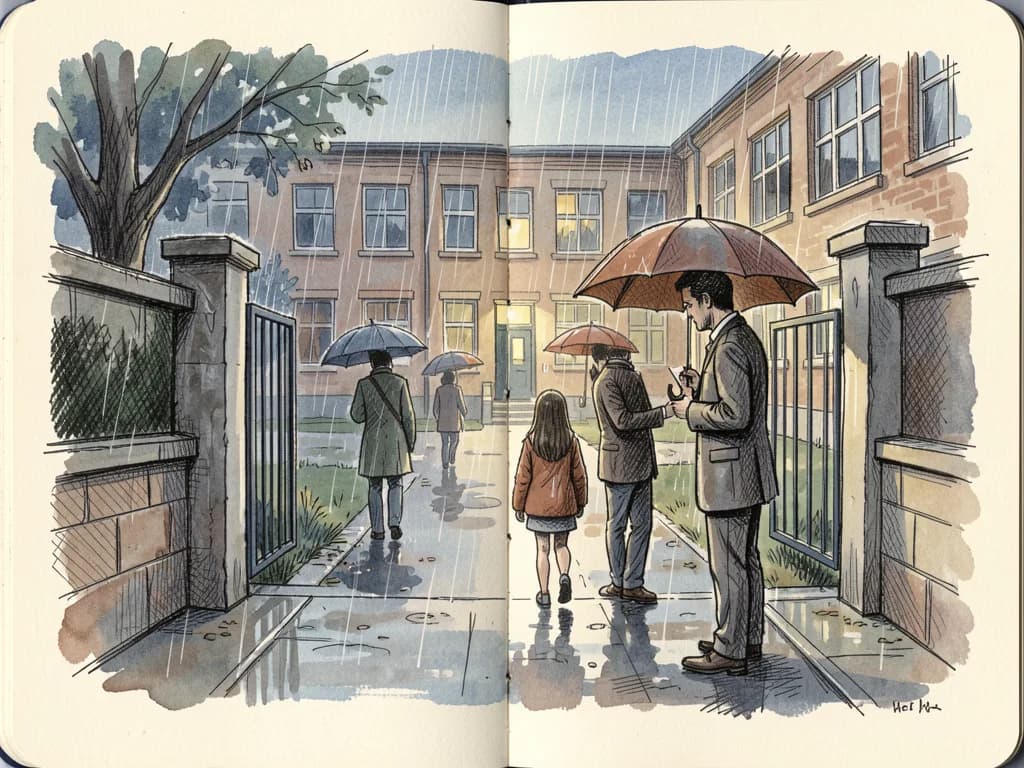
The question is not simply whether she will leave. It is whether he will make the moment about his pain or give her room to speak. That choice reveals who he is becoming.
Sam
And a story can make the answer difficult by giving him a plausible wrong choice. He has a speech prepared, full of reasons she should stay. Using it would feel emotionally understandable, even if it damages trust.
Alex
That is the value of competing desires. He wants to keep his child close, but may also want to remain the kind of parent she can tell the truth to. The dramatic question lives between those wants.
Sam
Notice how the question changes as soon as she appears. Beforehand: what will he say? Afterwards: can he listen? The story’s movement comes from a new condition, not from endlessly hiding his speech.
Alex
We can use that as a practical test while drafting: what question is active now, and what has changed since the last scene? If the answer is “nothing except more delay,” the story may be protecting its secret instead of developing its drama.
Sam
But we should not turn that test into a law. Some stories are carried by atmosphere, association or ordinary time. A quiet scene can be compelling without announcing a problem to solve.
Alex
Yes. The dramatic question is a powerful organising tool, not a universal requirement. Even in a contemplative story, though, there may be a softer question: how will this person see the place, or themselves, by the end?
Sam
And there is a difference between a question that remains open because life is complicated and one that remains open because the writer forgot to answer it. The listener can usually feel whether the uncertainty has been shaped.
Alex
Shaping it means planting consequences, not just clues. If the father listens, the immediate outcome may still be painful, but the relationship has changed. The answer should alter the conditions around the characters.
Sam
Resolution Changes Conditions, Not Always Circumstances
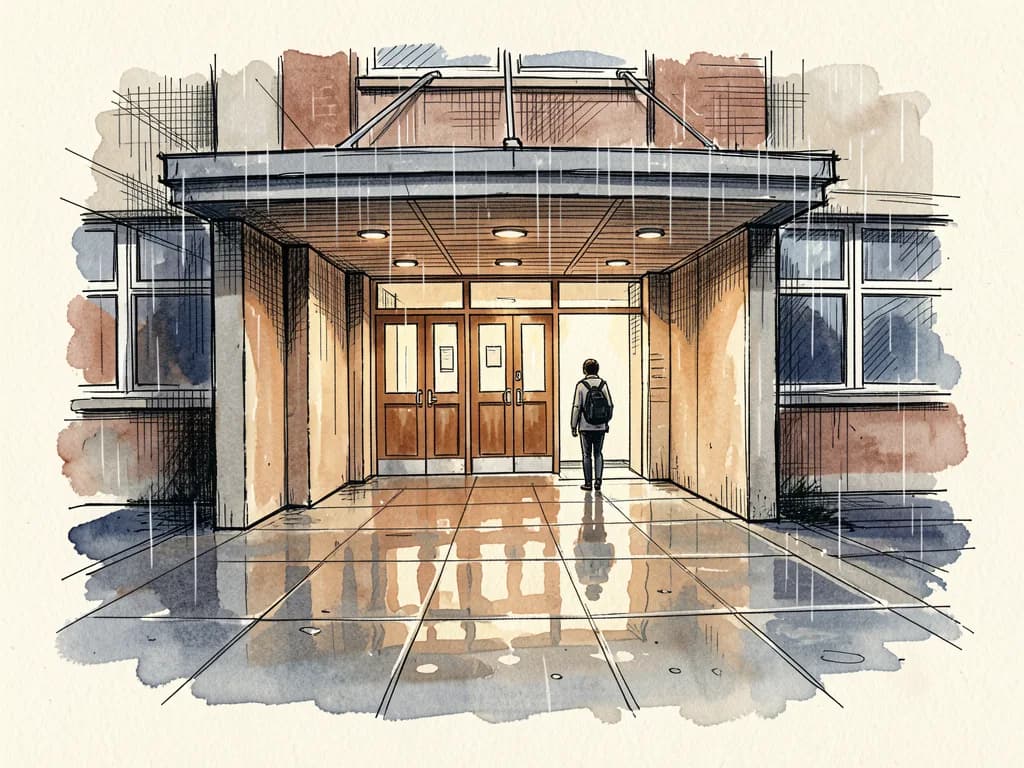
Which brings us back to the station. She finally calls. Her brother answers with silence. She could apologise, accuse him, or say the small truthful thing she has avoided: “I found the number.”
Alex
Any of those choices can end the scene, but they promise different stories. The dramatic question has narrowed from “Will she call?” to “Can she speak honestly now that contact is possible?”
Sam
And perhaps the most satisfying ending is not a repaired relationship. It may be her making the call without controlling what follows. The story answers whether she will act, while leaving the relationship’s future honestly unfinished.
Alex
An Open Ending Can Still Be Shaped
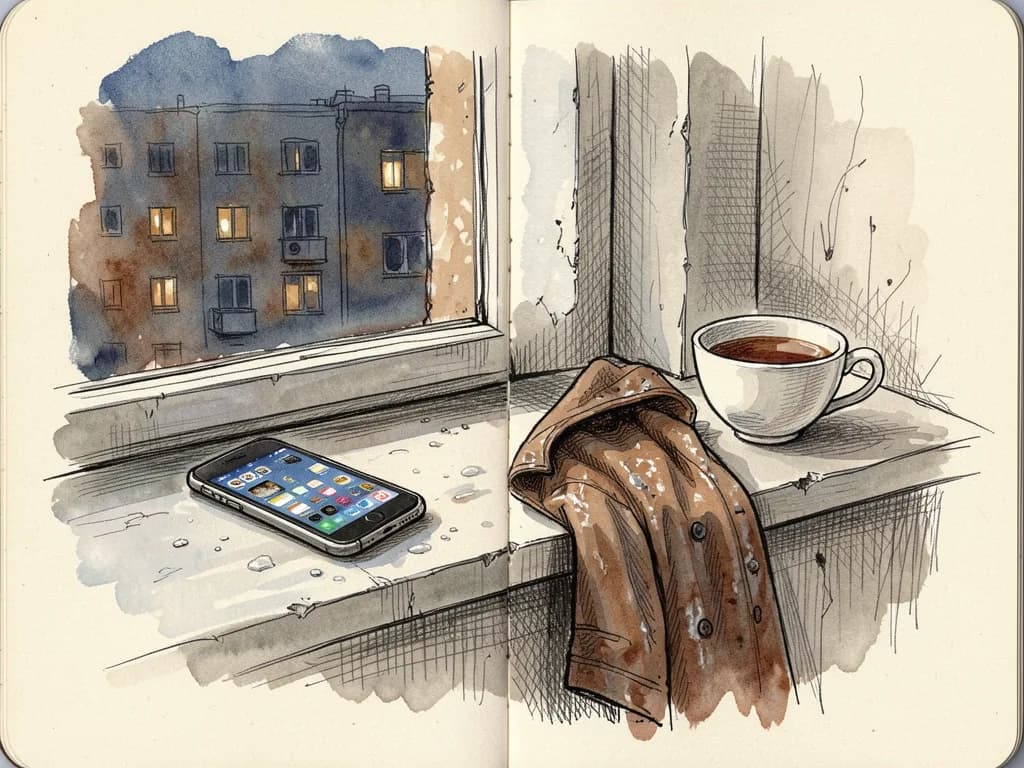
That is the deeper lesson: resolution is not the same as certainty. A story can close its central pressure by showing a choice, a recognition or a changed relationship, even when the world continues beyond the final line.
Sam
So when you feel a story pulling you onward, ask what you are actually waiting for. A fact? A decision? A confession? Or proof that someone can become different under pressure? Naming that question often reveals where the story’s life is.
Alex
And if you are writing, ask one more thing: what will the answer change? If it changes nothing, it may be a solution to a puzzle rather than a dramatic resolution.
Sam
The best questions do not merely keep us waiting. They make us notice what the characters value, what they risk, and what kind of answer they are capable of giving.
Alex
Which is why, at the station, the train was never the whole story. We stayed for the phone because a small action could reopen a life. That is a question worth following to the end.
Still open
- Will he call back, and what will she say if he does?
- Can she speak honestly now that contact is possible?