Podcast · Episode 11
Want Versus Need: The Character Beneath the Goal
Alex and Sam explore the familiar storytelling distinction between what a character wants and what they need. They examine the model’s practical origins, its value in shaping conflict and consequence, and the danger of treating it as a mandatory character worksheet. The conversation ends with a more flexible set of questions for writers and readers.
Alex & Sam · About 7 min
Listen here and keep browsing. Your place is saved. Autoplay continues through this programme; switch it off in the player.
Read the conversation
Alex
Want and Need Create Different Kinds of Pressure
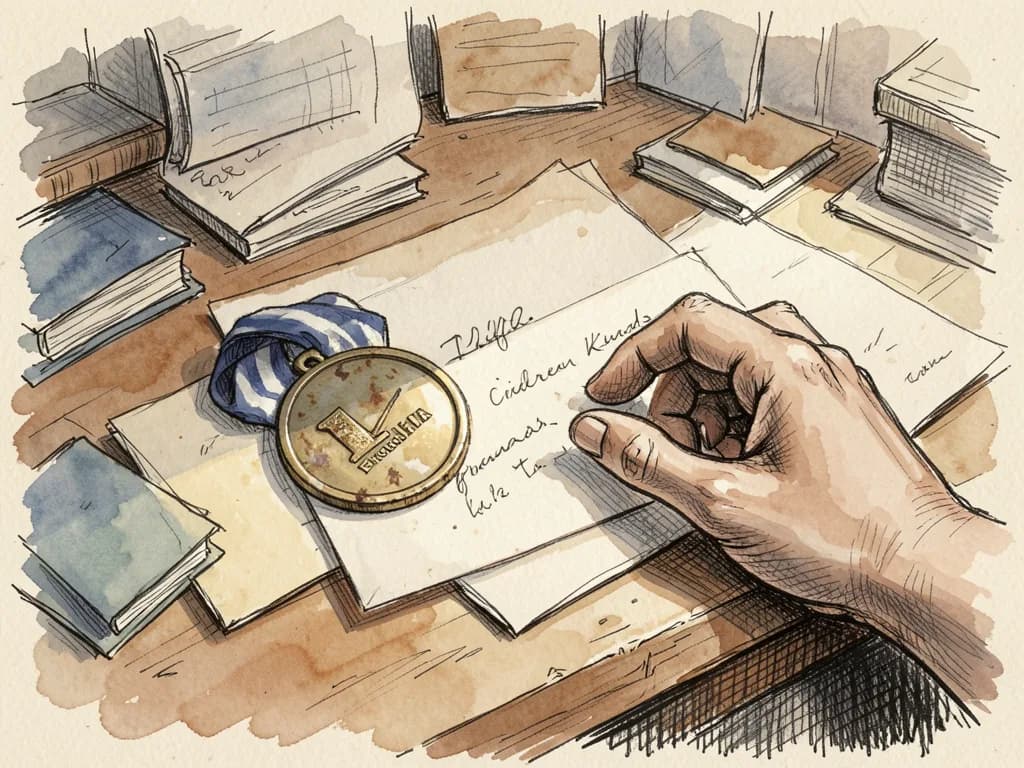
Here’s a small storytelling puzzle. A character gets exactly what they’ve been chasing, and the scene still feels like a failure. Why?
Sam
Often because the thing they wanted wasn’t the thing that would actually change their situation. That’s the familiar distinction between want and need.
Alex
A want is usually visible: win the job, escape the town, get the apology, publish the book. A need is deeper and often less comfortable.
Sam
It might be honesty, trust, independence, or the courage to accept a limit. And crucially, the character may not recognise it as a need at all.
Alex
Which gives the story a useful tension. The character moves towards one thing while the story keeps asking whether that pursuit is helping or harming them.
Sam
But let’s be suspicious of the neatness. “They want money but need love” can become a fortune cookie wearing a waistcoat.
Alex
Absolutely. The distinction is powerful when it describes pressure inside a character, not when it becomes a compulsory label attached before the writing begins.
Sam
So where did this model come from? Not from one sacred storytelling tablet, I hope.
Alex
The Model Has Many Practical Roots

No tablet, as far as we can responsibly say. It grows out of several traditions: dramatic ideas about action and conflict, psychological ideas about conscious and hidden motives, and practical writing education.
Sam
In other words, it’s a tool assembled from ways of thinking about why people act, rather than a scientific law of fictional behaviour.
Alex
Exactly. Writers noticed that a stated goal creates direction, while an unrecognised conflict creates depth. Later teaching systems made that contrast easy to remember: want on one side, need on the other.
Sam
And “need” sounds persuasive because it implies a diagnosis. As if the author has looked inside the character and found the missing screw.
Alex
That is the danger. A character’s need should emerge from the story’s circumstances, choices, and patterns. It shouldn’t be an excuse for the author to correct them from above.
Sam
Let’s make it concrete. Imagine a chef who wants a prestigious restaurant. What might they need?
Alex
Perhaps they need to stop treating every colleague as a rival. Then the restaurant goal creates situations where that flaw has consequences: a talented cook leaves, a partnership collapses, or a crucial service goes badly.
Sam
So the need isn’t just a message—be nicer. It changes what the character can do next, which connects it to consequence and agency.
Alex
Need Becomes Dramatic Through Consequence
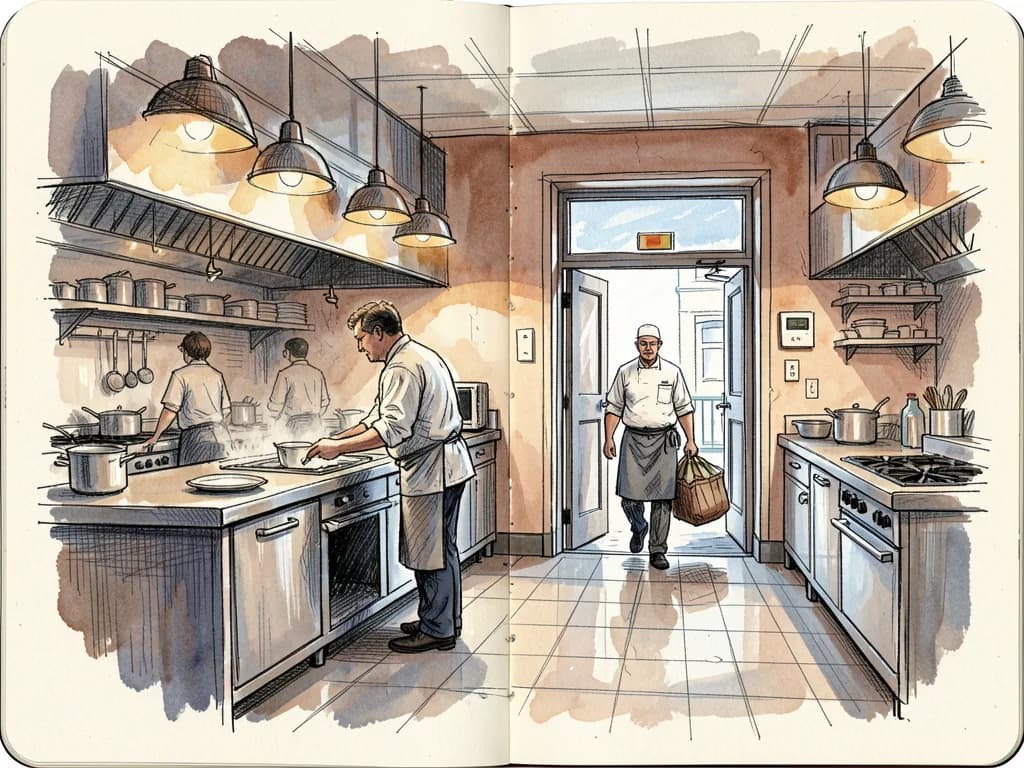
Right. If they recognise the pattern, their choices become different. They might share credit, listen under pressure, or accept that success cannot be entirely solitary.
Sam
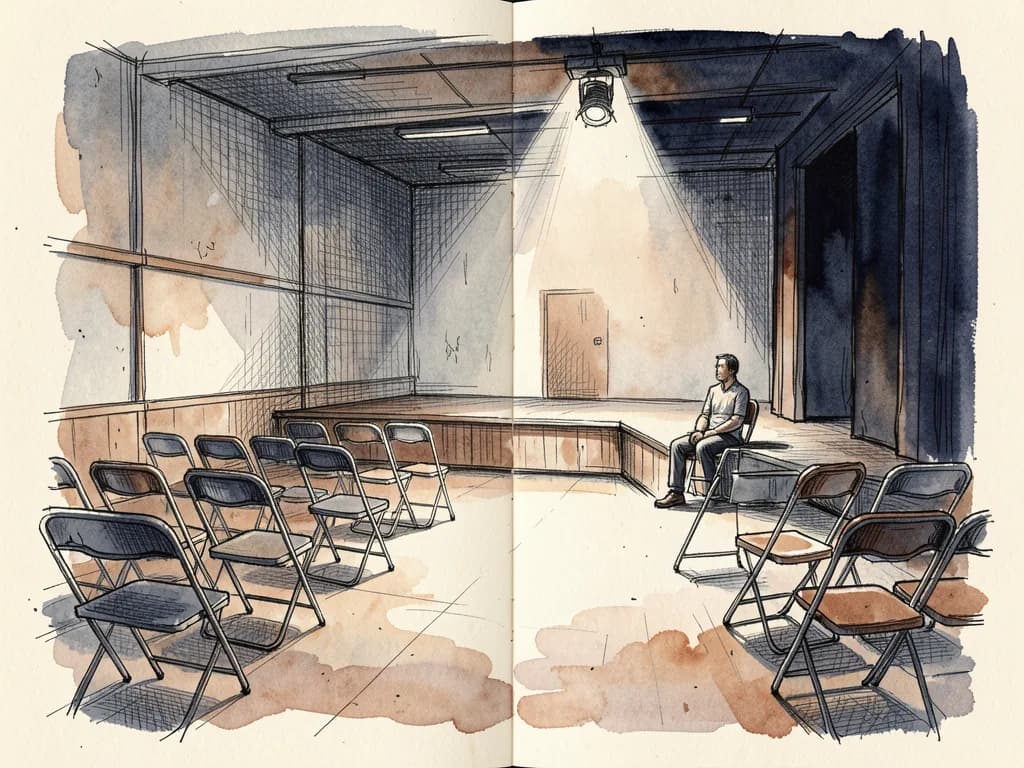
And they might not change. That’s important. A story can show someone understanding the cost of their behaviour and still choosing the behaviour.
Alex
Yes. Need is not a promise of improvement. Sometimes the character’s refusal is the meaningful outcome. The story answers, “What do they need?” with, “They need to change, and they won’t.”
Sam
Characters Do Not Have to Improve
That can be more honest than the sudden final-scene hug. Especially when the hug has arrived with the speed of an express delivery.
Alex
The model helps because it separates a goal from a transformation. A character may win the election, solve the case, or reach the mountain, but the emotional question asks what that achievement means.
Sam
It also helps readers understand why an external victory can feel hollow. The trophy is in the cabinet, but the old fear is still running the house.
Alex
And sometimes the opposite happens. A character fails at the visible goal but changes in a way that feels like genuine progress.
Sam
Though I’d challenge the word progress. Fiction often treats independence as healthy, but some characters may need community. Others may need boundaries. The answer depends on the world and the person.
Alex
That’s a vital correction. There is no universal list of emotional needs. A story has to establish what is damaging, what is possible, and whose judgement counts.
Sam
Avoiding Authorial Diagnosis
Otherwise “need” can smuggle in the author’s preferred lifestyle. Leave the city, forgive your parents, become vulnerable, buy linen trousers.
Alex
The linen trousers are optional, though suspiciously common in literary transformation.
Sam
Another problem is that not every story is organised around inner correction. Some stories are about atmosphere, systems, observation, or a person enduring conditions they cannot solve.
Alex
Yes. A character in a survival story may want shelter and need nothing more metaphorical than shelter. We shouldn’t force an emotional riddle onto material danger.
Sam
And a character can have several wants. The artist wants recognition, wants privacy, and wants to prove a sibling wrong. Those desires may collide without resolving into one tidy need.
Alex
Which is where the model becomes more interesting. Instead of asking for one hidden answer, ask: what are they pursuing, what are they avoiding, and what would they have to admit for their choices to change?
Sam
I’d add: what does the story itself make possible? A person cannot simply need confidence if their employer controls their housing and their visa. Constraint matters.
Alex
Material Constraints Shape What Characters Can Need

Absolutely. Agency doesn’t mean unlimited freedom. A need can be recognised while the practical options remain narrow, dangerous, or unfair.
Sam
That also prevents us blaming characters for every failure. Sometimes the story’s pressure comes from institutions, family structures, money, or plain chance.
Alex
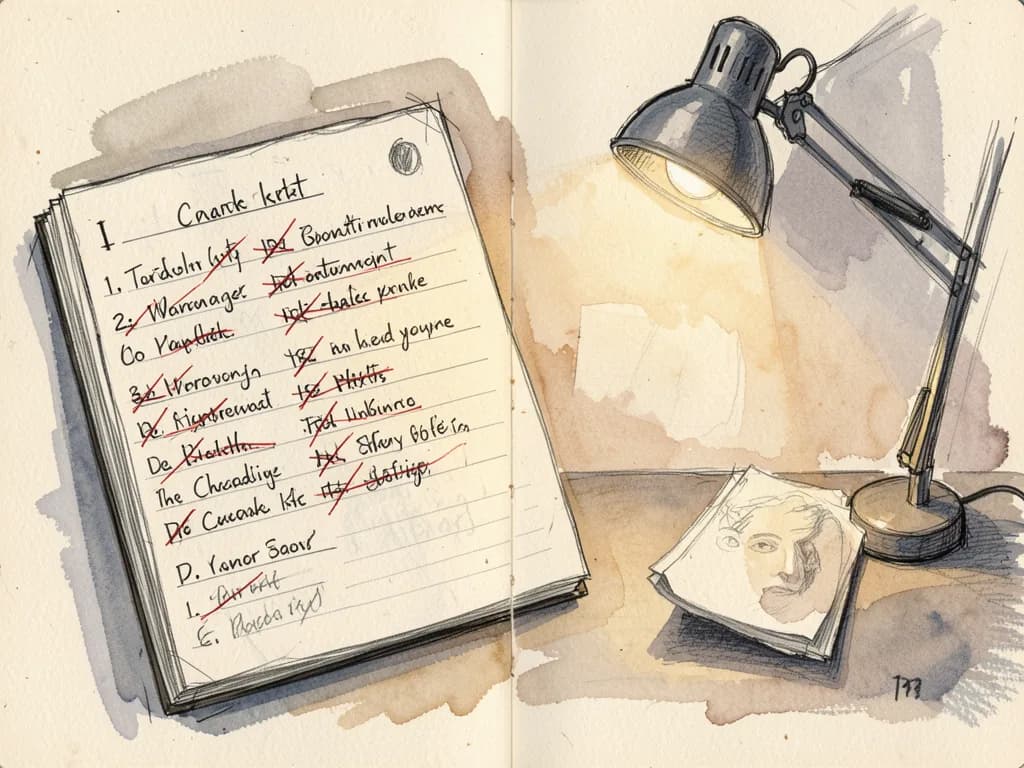
So perhaps want versus need is best used as a set of questions, not a two-column worksheet. What goal gives the character motion? What pattern gives the goal emotional weight?
Sam
What would change if they got what they wanted? What might remain unchanged? And is that remainder a flaw, a wound, a mystery, or simply life continuing?
Alex
Use Questions, Not a Formula
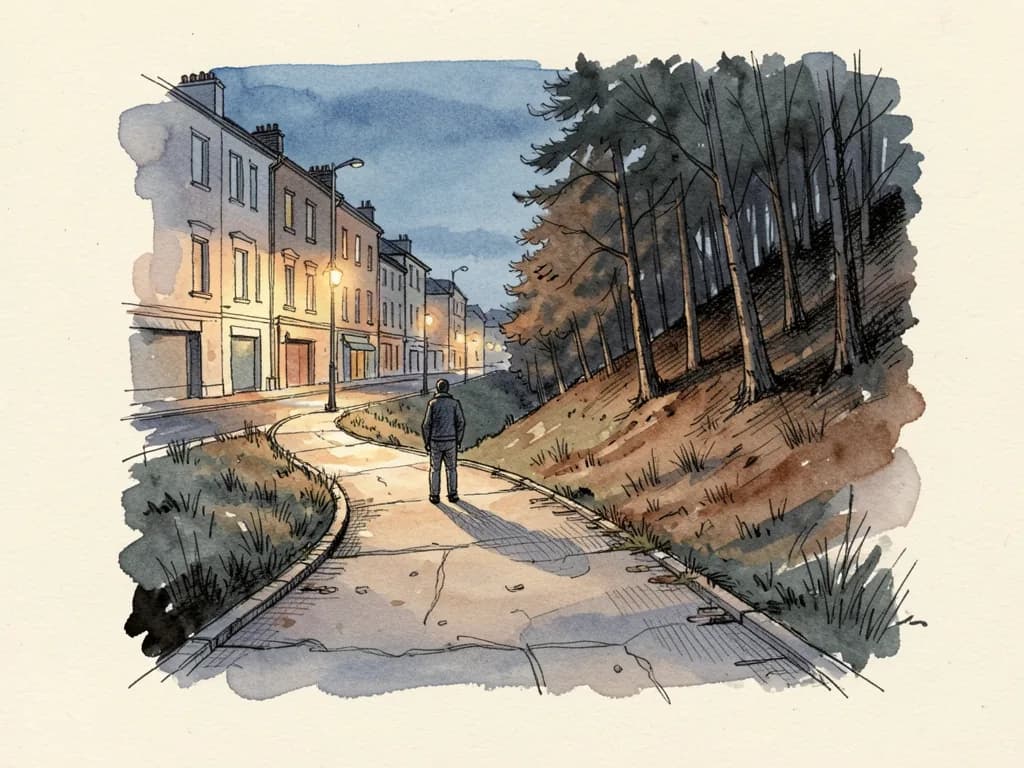
That last option matters. Not every remainder requires repair. Some stories end with a character seeing their situation more clearly, without mastering it.
Sam
Which brings us back to the opening puzzle. A victory feels like failure when it leaves the central pressure untouched—but it can also feel honest when the story has shown why change is not available yet.
Alex
The useful version of the model doesn’t demand a cure. It asks us to watch the relationship between desire, choice, consequence, and understanding.
Sam
And to let characters remain inconveniently specific. They may need something admirable, something impossible, or something they reject. They may not know themselves on schedule.
Alex
That’s probably the best ending for this idea: want gives a story direction; need gives it pressure; but the character decides whether either one becomes action.
Sam
And sometimes the most revealing choice is not getting the prize. It’s deciding what to do after the prize fails to answer the question they were really asking.
Still open
- What are they pursuing?
- What are they avoiding?
- What would they have to admit for their choices to change?
- What goal gives the character motion?
- What pattern gives the goal emotional weight?
- What would change if they got what they wanted?
- What might remain unchanged?
- Is that remainder a flaw, a wound, a mystery, or simply life continuing?
- What do they do after the prize fails to answer the question they were really asking?