Podcast · Episode 6
Information Asymmetry: Who Knows What, and When?
Alex and Sam explore how uneven knowledge between readers and characters produces mystery, suspense, dramatic irony and empathy. They distinguish meaningful withholding from mere concealment, examine point of view and unreliable narration, and show how antagonists and secondary characters change a story’s pressure. The conversation ends with practical revision questions and a view of information as a relationship rather than a supply of clues.
Alex & Sam · About 8 min
Listen here and keep browsing. Your place is saved. Autoplay continues through this programme; switch it off in the player.
Building on earlier episodes
Read the conversation
Alex
Knowledge Changes Meaning
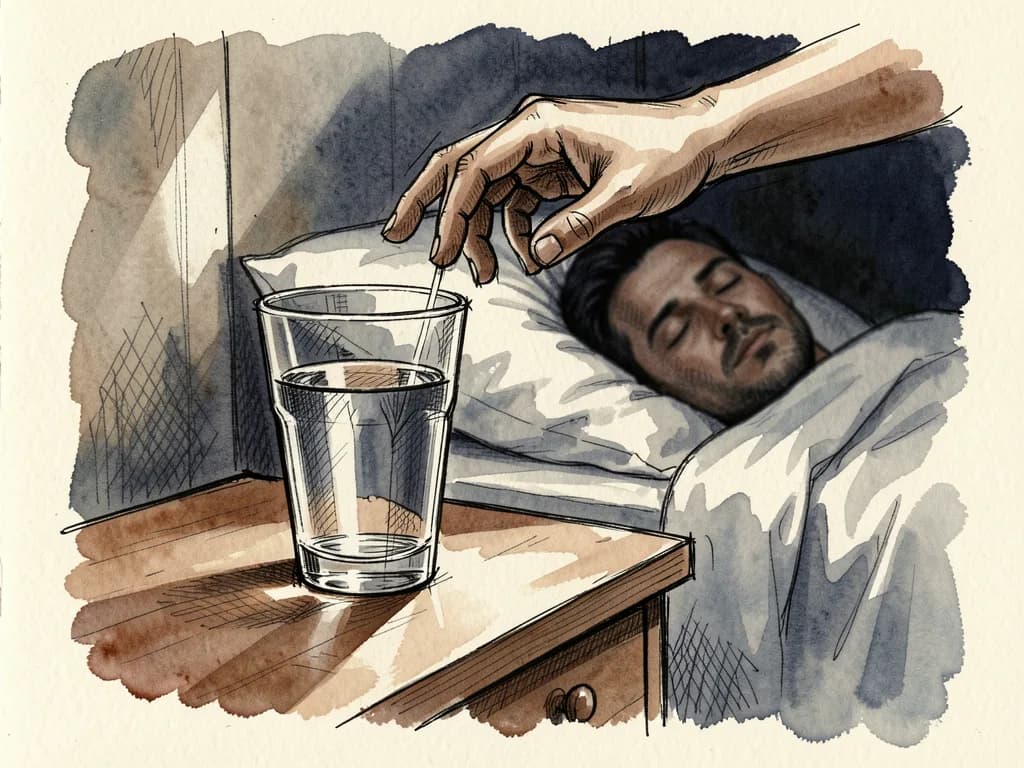
Imagine a woman setting a glass of water beside a sleeping man. She knows the glass contains something harmful. He does not. We know—or perhaps we don’t. That tiny difference changes the whole scene.
Sam
Exactly. The event itself is simple, but the arrangement of knowledge is not. Information asymmetry means the people in a story, and the audience, possess different pieces of the situation.
Alex
And it matters because knowledge changes what an action means. Pouring a drink can be hospitality, murder, protection, or a test, depending on who understands the danger.
Sam
It also changes what we’re waiting for. Are we waiting to discover what is in the glass, to see whether he drinks, or to learn why she wants him harmed?
Alex
That is the useful distinction. A story does not create tension simply by hiding facts. It creates tension by making knowledge matter to desire, risk, choice or interpretation.
Sam
Which connects with our earlier conversations about dramatic questions. The question is not just, “What is the secret?” It may be, “What will someone do once the secret becomes possible to know?”
Alex
Mystery, Suspense and Dramatic Irony
Mystery usually gives the audience less information than the investigator or protagonist needs. We assemble the truth alongside them, one observation at a time.
Sam
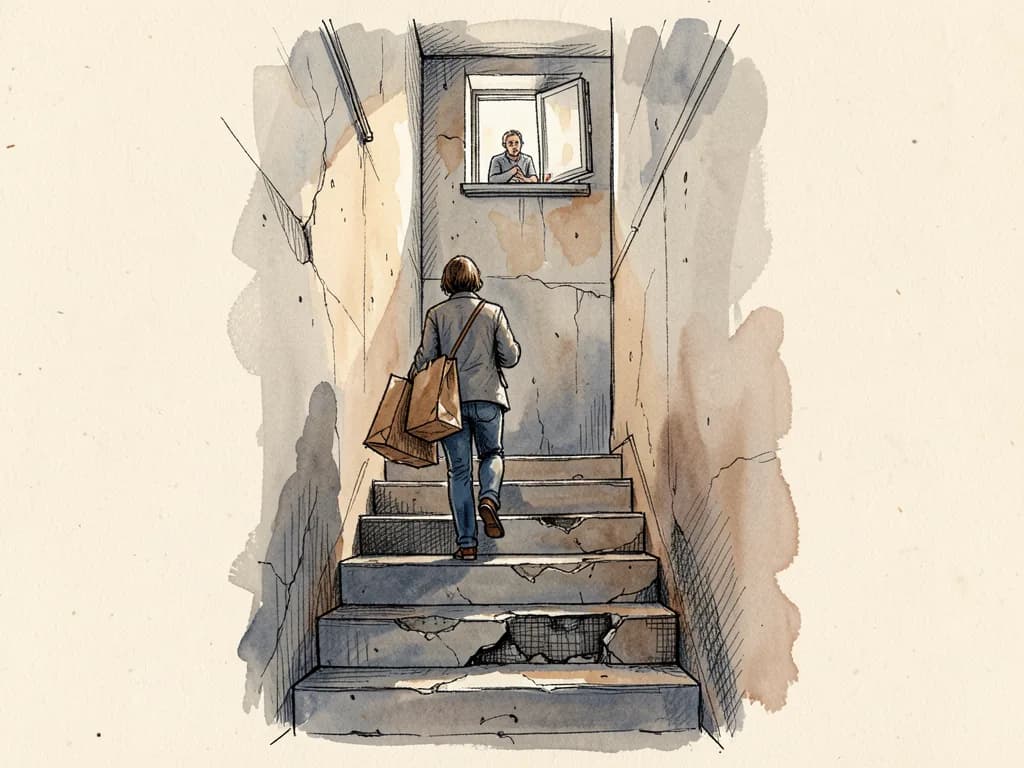
Suspense often reverses that arrangement. We know the stairwell is unsafe, while the character walks toward it carrying groceries and thinking about something entirely ordinary.
Alex
The tension comes from the gap between knowledge and action. We can see the danger, but we cannot simply reach into the story and move the groceries.
Sam
And dramatic irony goes further. A character may make a promise while the audience knows the promise cannot be kept, or may trust someone we know is deceiving them.
Alex
That can feel cruel if handled lazily. The character becomes a puppet wandering beneath a neon sign saying, “You’re doomed.” But it can also create compassion, because we watch a person act reasonably with incomplete information.
Sam
That is important. Limited knowledge is not stupidity. A protagonist can miss the clue because the clue is ordinary, because another explanation is more plausible, or because accepting it would threaten what they want.
Alex
Point of View and Withholding
Point of view decides how much of that reasoning we inhabit. In a close viewpoint, the reader may share the protagonist’s mistaken interpretation rather than stand above it with a clipboard.
Sam
And the narrator’s silence becomes part of the relationship. If the narration carefully records a room but omits the one fact that would solve everything, we start asking whether the omission is meaningful.
Alex
Sometimes it is. Sometimes the writer is simply hiding the answer because the plot needs another chapter. Readers can feel the difference when the withheld fact has no pressure behind it.
Sam
A fair mystery does not require immediate disclosure, but it usually gives the audience something usable: a contradiction, a behaviour, a phrase, an object whose significance has not settled yet.
Alex
That returns us to Episode 2, where emphasis creates expectation without forcing an object to become a mechanical plot device. A highlighted detail may reveal attachment rather than trigger an event.
Sam
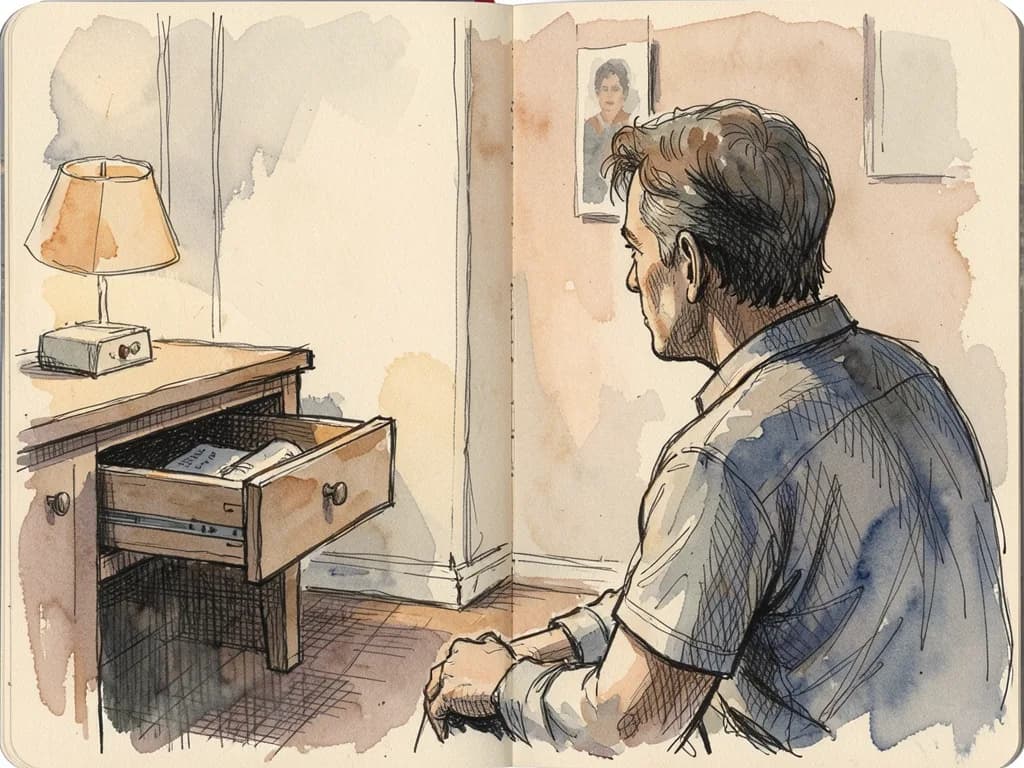
So information can pay off emotionally. We learn that the photograph matters because someone cannot throw it away, not because it hides a coded confession behind the frame.
Alex
The antagonist complicates the arrangement. If the antagonist knows the protagonist’s weakness, but the protagonist does not know it has been noticed, an ordinary conversation becomes a contest of concealed recognition.
Sam
Antagonists and Secondary Characters
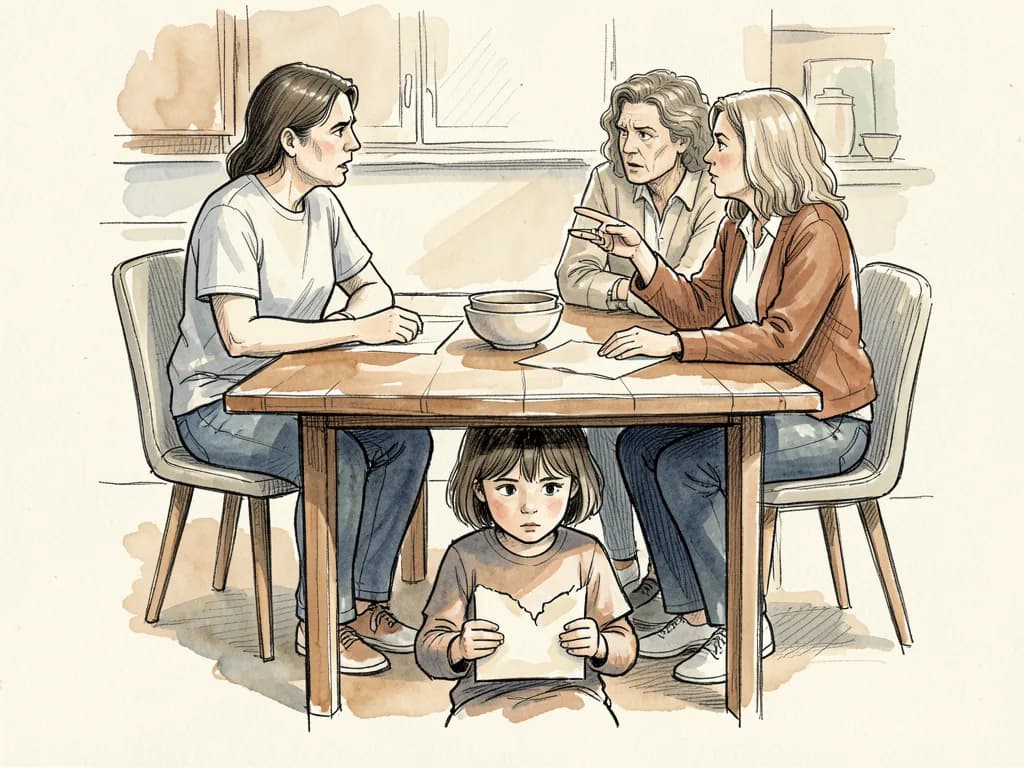
And secondary characters can carry asymmetry too. A child may notice that two adults stopped speaking, while each adult assumes the child noticed nothing. The child’s silence then has its own pressure.
Alex
That is richer than treating side characters as information cupboards. Their knowledge should affect what they want, what they avoid, and what they believe they can safely say.
Sam
There is an ethical question here as well. Withholding can invite curiosity, but it can also manipulate sympathy. If we are denied a character’s motive solely so we condemn them, the eventual explanation may feel like a trick.
Alex
The Ethics of Revealing Motive
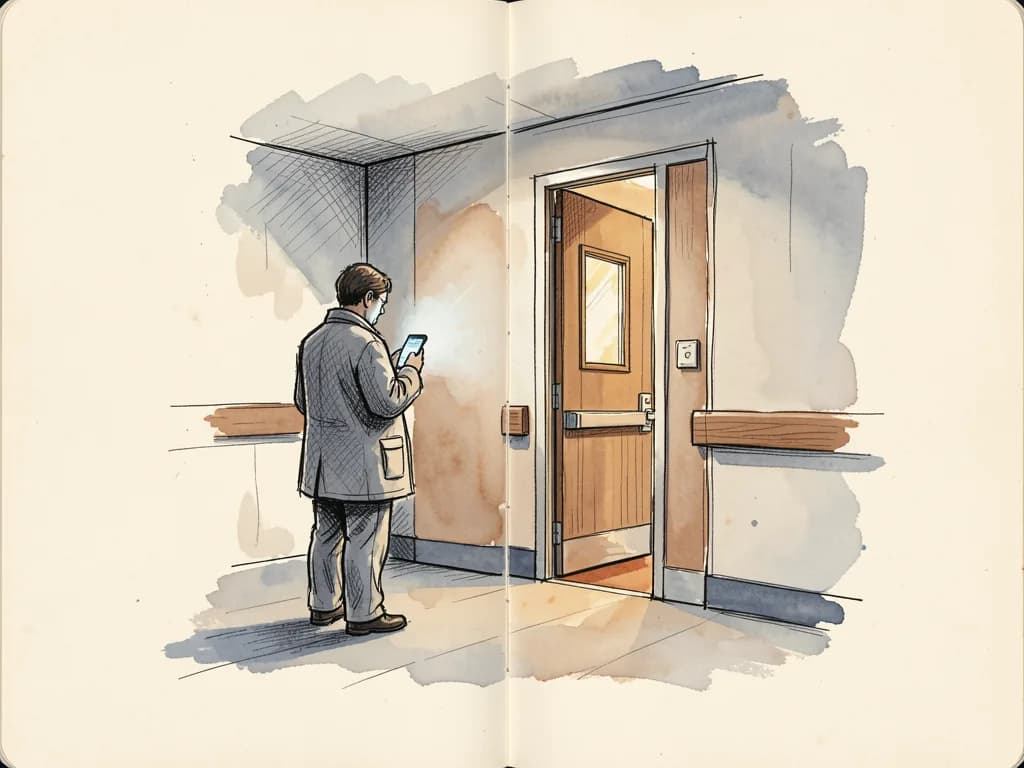
Especially when the hidden information concerns harm or vulnerability. The audience does not need every answer at once, but the story should know what kind of expectation it is creating.
Sam
That is where an unreliable narrator becomes interesting. Unreliability is not simply lying to the audience. It may be self-deception, limited perception, selective memory or a sincere interpretation that keeps failing.
Alex
The key is consequence. If the narrator misunderstands the room, that misunderstanding should shape decisions and relationships. Otherwise unreliability is just a curtain pulled across the camera.
Sam
And when the truth arrives, it should change the meaning of earlier choices. Not necessarily erase them. A person who acted badly may become more understandable without becoming innocent.
Alex
That distinction protects stories from the tidy reveal. Explanation is not absolution. Knowing why someone lied may deepen the moral problem rather than solve it.
Sam
Revision: Who Knows What?
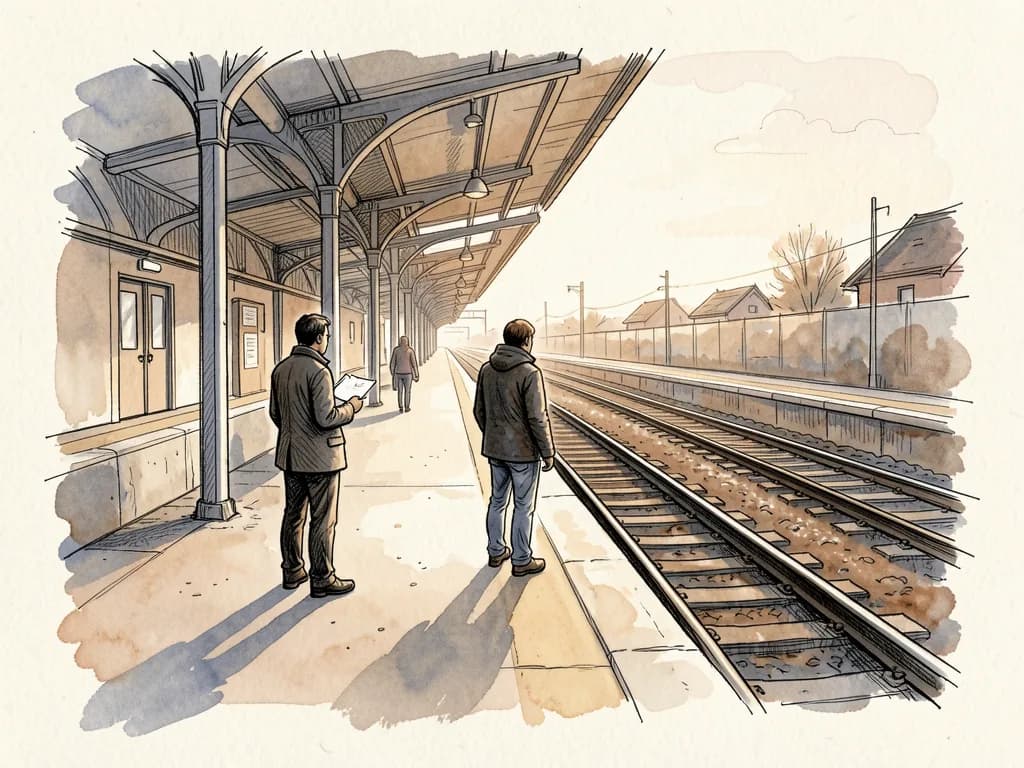
For revision, I like asking: who knows this fact in the scene, who suspects it, who misunderstands it, and who has a reason to keep quiet?
Alex
Then ask what each person believes will happen if the information moves. A confession might bring relief, destroy leverage, expose love, or simply create a new uncertainty.
Sam
That last possibility matters. Resolution does not mean every person receives the same information. One question can be answered while the relationship remains unsettled.
Alex
As we discussed in Episode 3, contact may happen without honesty becoming possible. The call is answered; the deeper question shifts to what the speakers can bear to say.
Sam
And that helps distinguish ambiguity from abandonment. An unanswered fact can remain alive if it continues to shape conduct, attention or choice.
Alex
So the practical test is not, “Have I explained everything?” It is, “Has the distribution of knowledge changed what these people can do with one another?”
Sam
Resolution Without Total Certainty
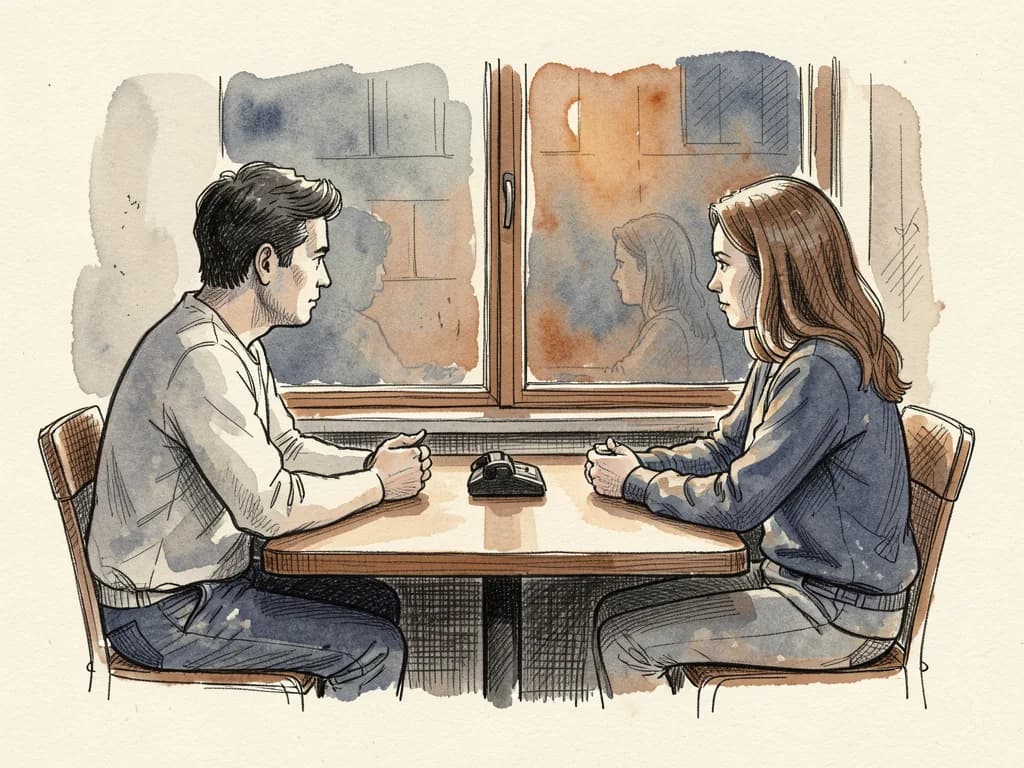
Because information is not a pile of clues waiting to be sorted. It is a relationship: knowing can create intimacy, power, danger, distance or responsibility.
Alex
The sleeping man may drink, wake, or never touch the glass. But the scene becomes meaningful when knowledge presses someone toward a choice.
Sam
And the most satisfying ending may not give everyone the same answer. It may show who finally understands, who refuses to, and what that understanding makes possible.
Alex
Which leaves us with a generous question for any scene: not only what is hidden, but whose experience is being shaped by the hiding.
Sam
That is information asymmetry at its most useful—not a trick for delaying answers, but a way to make attention, knowledge and choice change together.
Still open
- What can the speakers bear to say once contact occurs?
- Whose experience is being shaped by the information being hidden?