Podcast · Episode 10
Character Agency: Who Makes the Next Thing Possible?
Alex and Sam explore character agency as the relationship between choice and consequence. They distinguish action from mere activity, freedom from agency, and responsibility from control, showing how silence, interpretation and habit can shape a story as powerfully as dramatic gestures. The conversation develops an imagined story about a missed train and an estranged brother, then asks how writers can make decisions legible without turning characters into machines or moral diagrams.
Alex & Sam · About 8 min
Listen here and keep browsing. Your place is saved. Autoplay continues through this programme; switch it off in the player.
Building on earlier episodes
- Episode 1: Episode 1: Why Stories Work — Cause and Effect
- Episode 2: Chekhov’s Gun: When the Gun Shouldn’t Fire
- Episode 3: The Dramatic Question: What Are We Waiting to Find Out?
- Episode 6: Information Asymmetry: Who Knows What, and When?
- Episode 9: The Principle of Consequence: What Changes After the Moment?
Read the conversation
Alex
The missed train becomes a choice
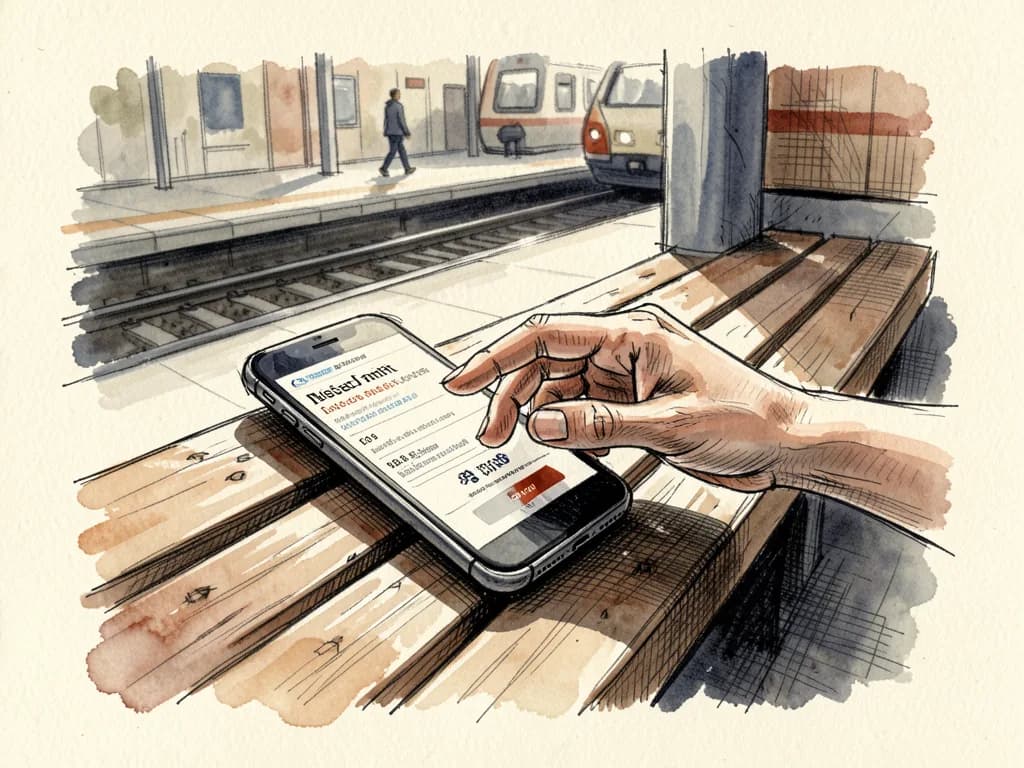
A woman misses a train. That sounds like something that happens to her. But suppose she saw the platform, heard the warning bell, and still did not run. Suddenly the story is asking a different question: what did she choose?
Sam
Exactly. Character agency begins in that small gap between an event arriving and a person responding. It is not the same as making a character busy. Someone can rush through ten scenes and still feel strangely powerless if none of their decisions alter what comes next.
Alex
And the train need not be a villain. Trains are famously committed to timetables, which is admirable in a machine and rather rude in a drama. The important thing is whether her missed departure changes her options.
Sam
Perhaps she was travelling to an appointment, and the missed train means she may have to call her estranged brother for help. The missed train is an event. Her decision to call, avoid calling, or invent an excuse gives that event narrative direction.
Alex
That connects with Episode 1, where we separated chronology from causality. The train leaving after she arrives is chronology. Her decision not to run, or not to call, is where character begins producing the chain.
Sam
Agency inside constraint
Though we should be careful with the word producing. Agency is not total authorship. A character can choose to make the call and still reach voicemail. They can apologise and still be refused. Choice changes the conditions; it does not guarantee the preferred result.
Alex
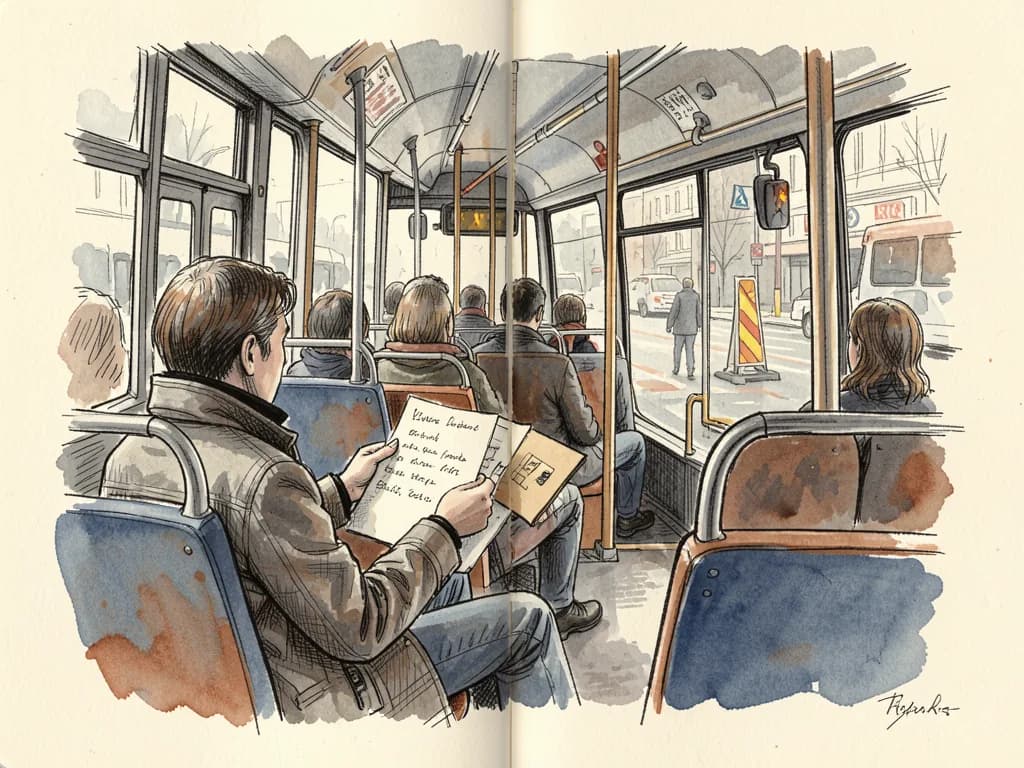
That matters because otherwise every unhappy outcome becomes a moral examination. If the bus breaks down, we should not immediately announce that the protagonist secretly caused public transport.
Sam
Yes. Agency is about what the character does with the situation, not proof that the universe obeys them. A storm can interrupt a plan. A powerful employer can limit a choice. A family history can make one option feel almost unthinkable.
Alex
Almost unthinkable is doing useful work there. Agency can survive inside constraint. A person with no good options may still choose which cost to accept, whom to trust, or what truth not to tell.
Sam
And the available choices need to feel available from inside the character. Readers do not need a menu printed at the bottom of the page. They need to understand why this person sees silence as safer than speech, even if we wish they would speak.
Alex
That is where backstory can become practical rather than decorative. We learn that the brother has used apologies to reopen old arguments. Her hesitation is no longer a mysterious delay; it is a decision shaped by remembered risk.
Sam
But hesitation itself can become an action. She types, “I’m at the station,” then deletes it. Nothing outward has happened, yet the deletion preserves distance and keeps one future closed for another hour.
Alex
Hesitation as action
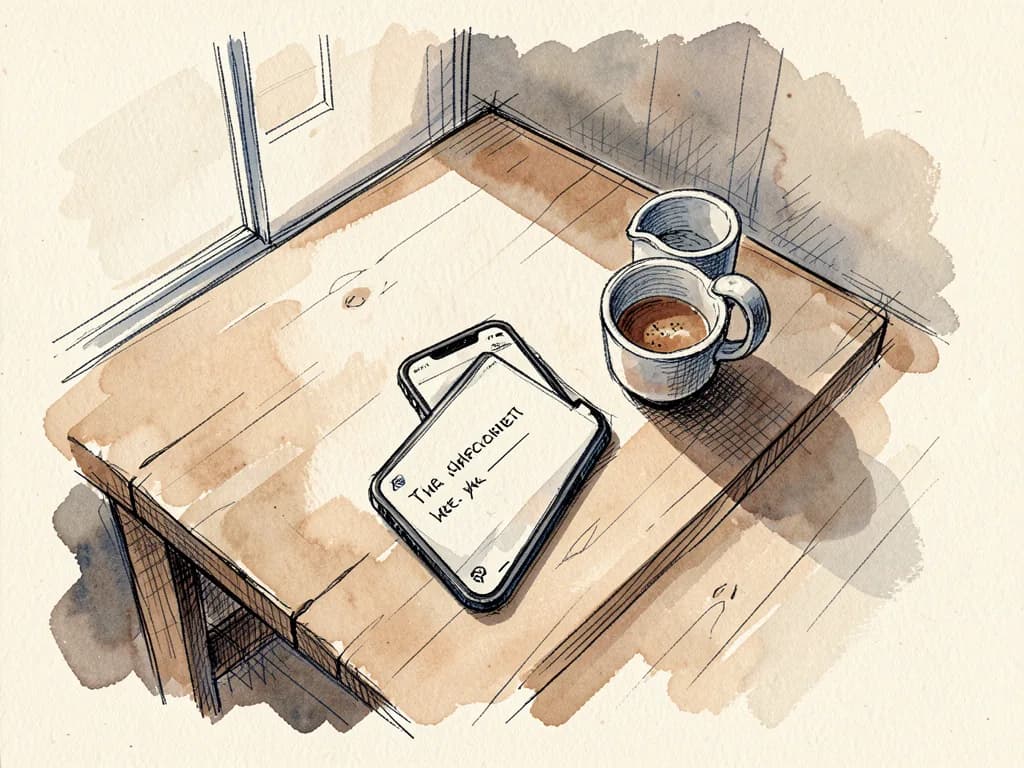
A beautifully tiny act. The phone is not a magic plot device; it reveals what she is willing to expose. That follows Episode 2’s point that an emphasised detail can pay off through character rather than through a spectacular event.
Sam
And it can create a dramatic question. Not simply, “Will she get home?” but, “Can she tolerate being known by the person she has avoided?” The practical problem opens into a choice about identity and relationship.
Alex
Which means agency includes interpretation. Two people receive the same message. One hears an invitation, another hears a threat. Their next actions emerge from the meaning they assign, not just from the words on the screen.
Sam
That is especially useful with unequal knowledge. As Episode 6 explored, the audience may know the brother is waiting to listen, while she expects accusation. Her mistake can be credible without making her foolish.
Alex
Unequal knowledge and interpretation
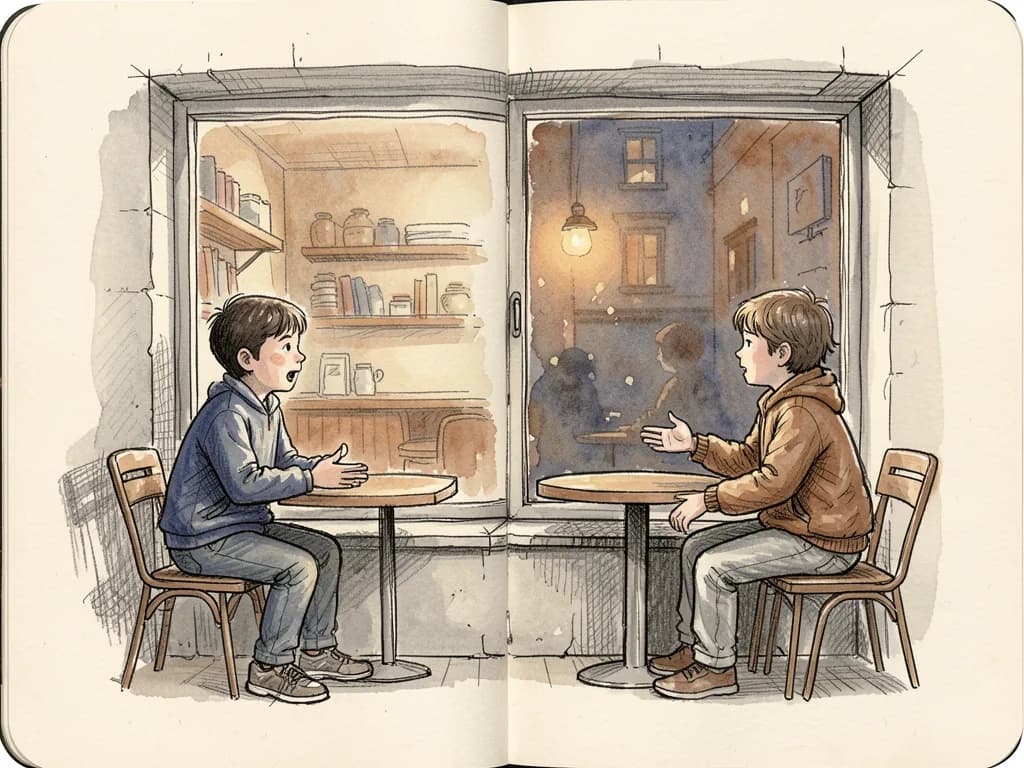
And the audience’s extra knowledge should not turn into smugness. If we know more, we should feel the pressure of her decision more sharply. We can see the door she might open, but we cannot open it for her.
Sam
There is also agency in refusing information. A character may notice the envelope, the missed call, the changed expression, and decide not to ask. That is not empty space. It is a strategy, perhaps protective, perhaps self-deceiving.
Alex
Though writers sometimes confuse withholding with agency. If a character never asks because the author needs to preserve a mystery, that is not necessarily a meaningful choice. We need a reason the character would maintain the silence.
Sam
Right. The question is not merely, “Why doesn’t she know?” It is, “What would knowing require her to do?” If knowledge threatens an arrangement, ignorance can become an active form of maintenance.
Alex
That gives us a useful test for revision: what does the character want, what do they believe is at risk, and what option do they reject? The rejected option often tells us more than the dramatic action they finally take.
Sam
And the rejection should change something. In Episode 3, we talked about answers that alter the next question. If she calls her brother, the story should not simply tick a box marked contact achieved. Now she must decide whether to listen.
Alex
That is a lovely nuisance. Stories are very good at granting the thing you wanted and then presenting the invoice. She gets through, but he says nothing, and her agency shifts from speaking first to deciding whether she can remain present.
Sam
A choice can even be meaningful when it fails. She may attempt honesty and be misunderstood. The attempt changes her position: she can no longer claim that silence was the only possible response.
Alex
But we should separate failure from blame. A character may make a careful, generous decision and still cause pain accidentally. Agency explains how the event became possible; it does not make the character omniscient.
Sam
Chance keeps the story alive. If every consequence perfectly matched intention, fiction would feel like a vending machine for morals. Sometimes the wrong person answers, the letter arrives late, or the apology lands after trust has thinned.
Alex
Then responsibility may concern the response to chance. Does she tell the truth about what happened? Does she blame the timetable? Does she use the accident as permission to leave, or as a reason to try again?
Sam
Consequence without control
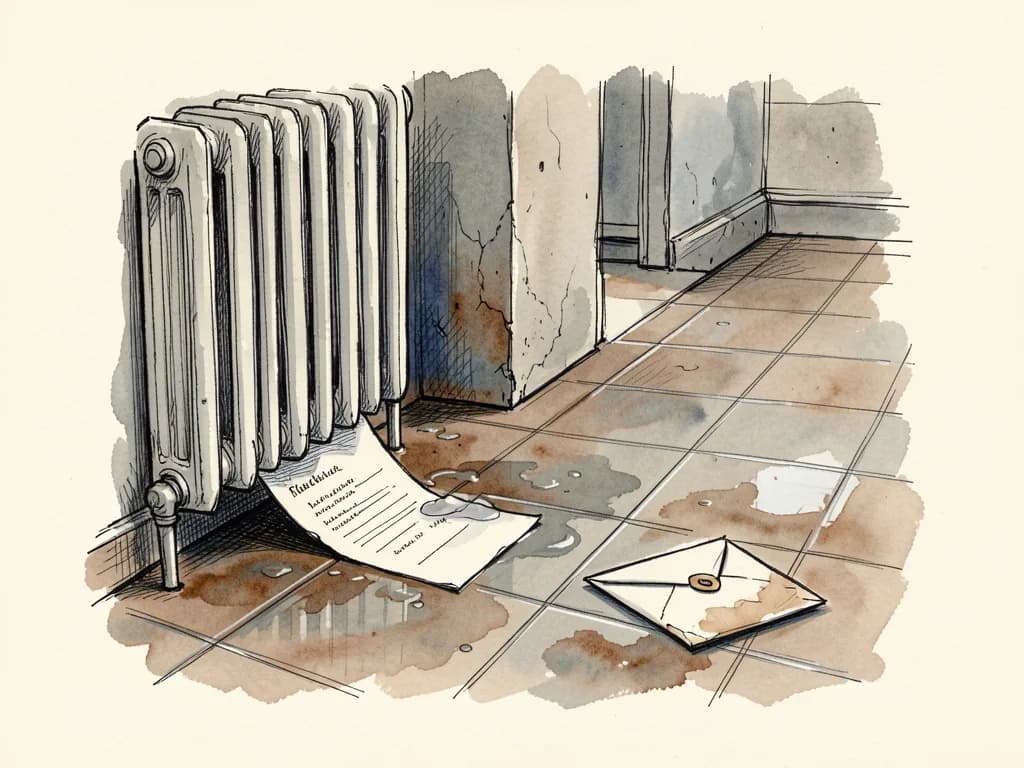
Those responses reveal character without turning the accident into destiny. Episode 9’s principle of consequence is helpful here: ask what remains different afterward, even if the external result is small.
Alex
Perhaps the final image is not reconciliation. Perhaps she sits in the station café, sends one accurate sentence, and stops composing the perfect version of the past.
Sam
That can be an ending because a pattern has changed. We do not know whether the siblings reconcile, and we do not need to pretend we do. We know she has made contact without controlling what follows.
Alex
For readers, agency is a way of watching attention. When a character chooses, ask what becomes possible, difficult, or unavailable. When they avoid choosing, ask what that avoidance protects.
Sam
A changed pattern
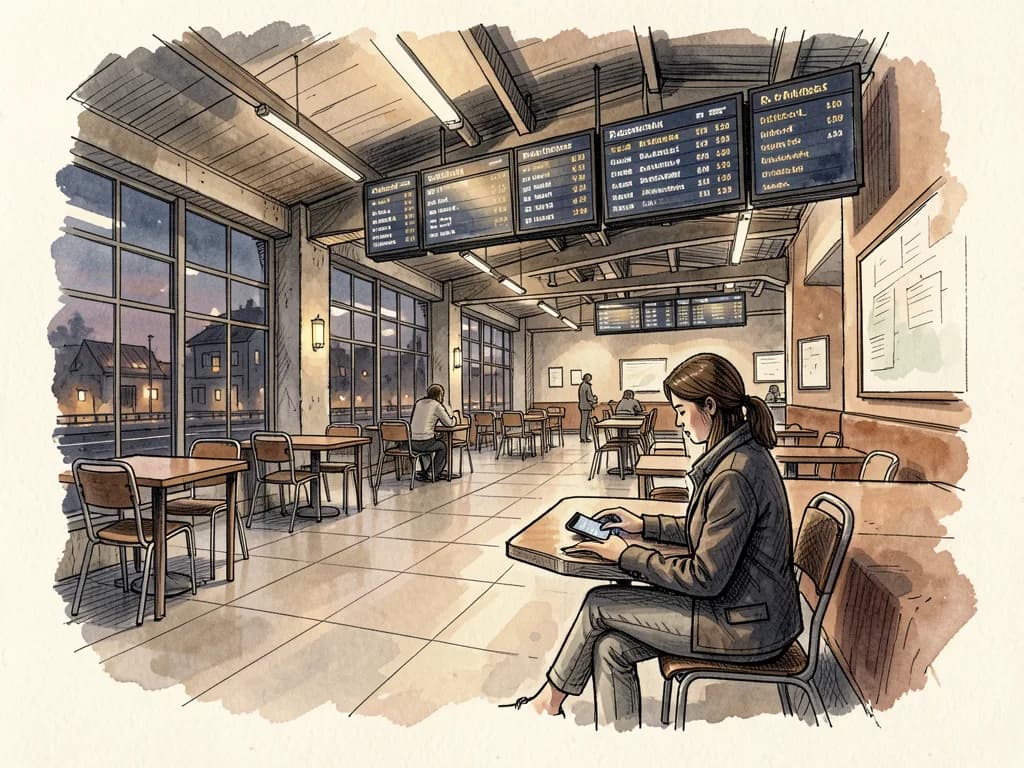
For writers, make the pressure legible, not the outcome inevitable. Let us understand the options, the fear attached to each, and the consequence that changes the next decision.
Alex
So character agency is not a crown for heroic people. It can be a finger hovering over send, a refusal to ask, a decision to stay five minutes longer.
Sam
Small choices, under real pressure, give events a human shape. The train leaves. The message waits. And somewhere between those facts, a person decides what they are willing to make possible.
Still open
- Can she tolerate being known by the person she has avoided?
- What would knowing require her to do?
- Can she remain present when he says nothing?
- Does she tell the truth about what happened?
- Does she blame the timetable?
- Does she use the accident as permission to leave, or as a reason to try again?