The Physics of Better AI Images
Pen & Muse’s “The Physics of Better AI Images” unifies 14 dispatches around one shared idea: realism is an emergent result of constraints, not just better prompts. By treating image-making like a coherent causal system—geometry, optics, lighting, sensor behavior, and imperfect capture—you gain a way to debug “AI-ness” instead of chasing aesthetics. This matters because the fastest improvements come from enforcing what must stay consistent.
Realism isn’t a look—it’s the consistent physics of causes across geometry, light, and camera capture.
Built from and aligned with the broader Pen & Muse archive of prompt craft and image debugging.
Series Structure
The series unfolds in phases. Read in order to feel the system tighten and pay off.

In This Series
Best read in order. Each phase sharpens the one before it.
Constraints make it real
Reframe realism as physics-like constraint enforcement, introduce the physics triad, and show how missing coherence produces the most common “AI-ness” failures.
Prompts That Feel Real: Extreme “Real Camera” Effects for AI Images
“Real camera” prompts work best when you stop chasing gear labels and start describing the photograph’s physical intent—lens, focus, exposure, and the small imperfections that make it believable. Here’s an extreme prompt stack you can reuse to get results that read like real photography.

The Physics of Realism: Why Constraints Beat Adjectives
Most practitioners treat realism as a styling problem: more adjectives, higher fidelity, more "cinematic" buzzwords. But realism behaves less like taste and more like physics. It i…

Prompts That Feel Real: Extreme Real-Camera Effects (Without Killing the Image)
The real trick: you’re not “adding realism”—you’re forcing physics to pick a story Most “real camera” prompts fail because they ask the model to decorate with plausible artifacts. …
Why AI Images Look Fake: The 7 Failure Modes Behind Unreal Results (Part 4)
The real giveaway isn’t “bad texture.” It’s the physics not agreeing with itself. AI image models can approximate appearance—but they’re not naturally constrained by the causal cha…
Camera causes, not vibes
Turn core camera subsystems into prompt levers—lens perspective, depth of field, exposure/sensor behavior, lighting chains, and tasteful imperfection—so outputs read as a recording.
Lens Logic for AI Prompts: How Focal Length Rewrites Your Scene
The quiet superpower: focal length changes everything In AI images, prompts often behave like they’re describing a vibe. But focal length behaves like a geometry instruction. It nu…

Depth of Field That Actually Reads as Real (Without the “AI Blur” Tells)
--- The problem with “realistic blur” Most AI images don’t fail because they blur. They fail because their blur is narrative, not physical. A depth of field (DoF) that “reads as r…

Exposure as Realism: Dynamic Range & Sensor Character for Images That Don’t Blink
The realism layer most prompts miss: exposure discipline In convincing AI images, “real” isn’t just detail. It’s the way the scene survives the sensor. Exposure, dynamic range, and…
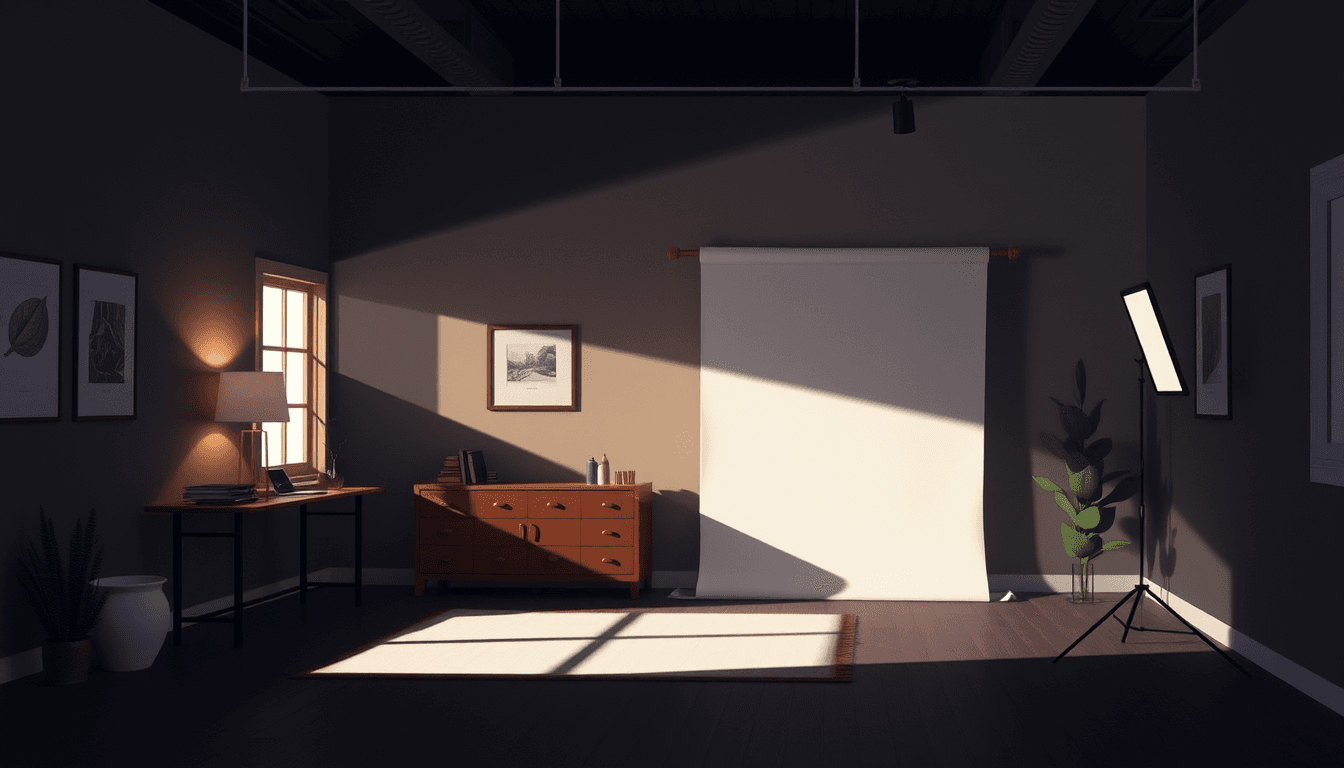
Lighting That Sells the Shot: Falloff, Direction, and Material Response
The difference between “pretty” and “photographic” is rarely the light source. It’s the way light behaves after it leaves the source—how it falls off, where it hits, and what it do…
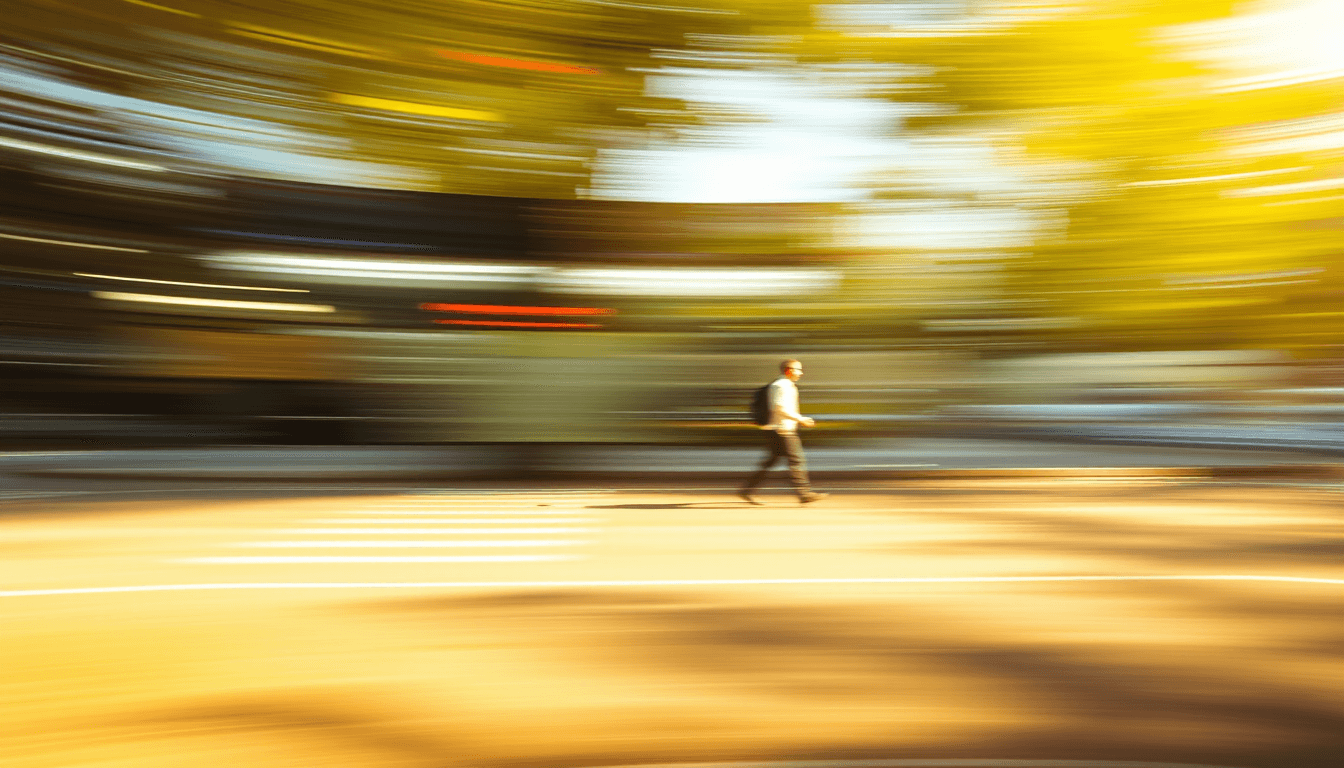
Realistic Imperfection in AI Images: Motion Blur, Aberration, Haze & Bloom (Without Overdoing It)
The difference between “real” and “real enough” is usually restraint. AI images often fail on perfection, not physics. When you force every edge to be razor-sharp, every highlight …
Surfaces, framing, and truth priority
Make realism survive contact with materials, separate photographic vs cinematic evidence, and lock composition via shot design (framing, blocking, camera position).
Surfaces That Don’t Lie: Prompting Skin, Glass, Fabric, Metal, and Plastic
The uncanny valley isn’t about “style”—it’s about surfaces Across this series, realism has come from getting the camera physics right: lens logic, exposure, lighting, imperfection.…

Cinematic vs Photographic: The Physics of Two Different Truths
The Core Misbelief: “Cinematic” Is Not a Camera Category People treat cinematic and photographic as if they’re two flavors of the same physical thing. They’re not. Photographic rea…
Shot Design for AI Images: Framing, Blocking, and Camera Position Like a Director
The director’s job: decide what matters, then place it Most AI image prompts fail because they ask the model to invent a world, instead of composing one. Shot design is the fix. It…
Repair and recipe workflows
Provide an iterative fix loop for almost-good images and then distill everything into reusable real-camera prompt recipes.
Repair Mode: The 30-Second Fix for Almost-Good AI Images
Repair Mode: How to Fix an Almost-Good AI Image Without Rewriting Everything Most people “fix” AI images by starting over. But the better move is repair. Because almost-good images…
The Real-Camera Prompt Cookbook (Part 14): Shot Recipes That Don’t Look Like AI
The Physics of Better AI Images—now in “recipe” form If you’ve already internalised the failure modes and the realism layers, the next bottleneck isn’t theory. It’s execution. This…