Realism isn’t a look—it’s the consistent physics of causes across geometry, light, and camera capture.
Previous · Part 9
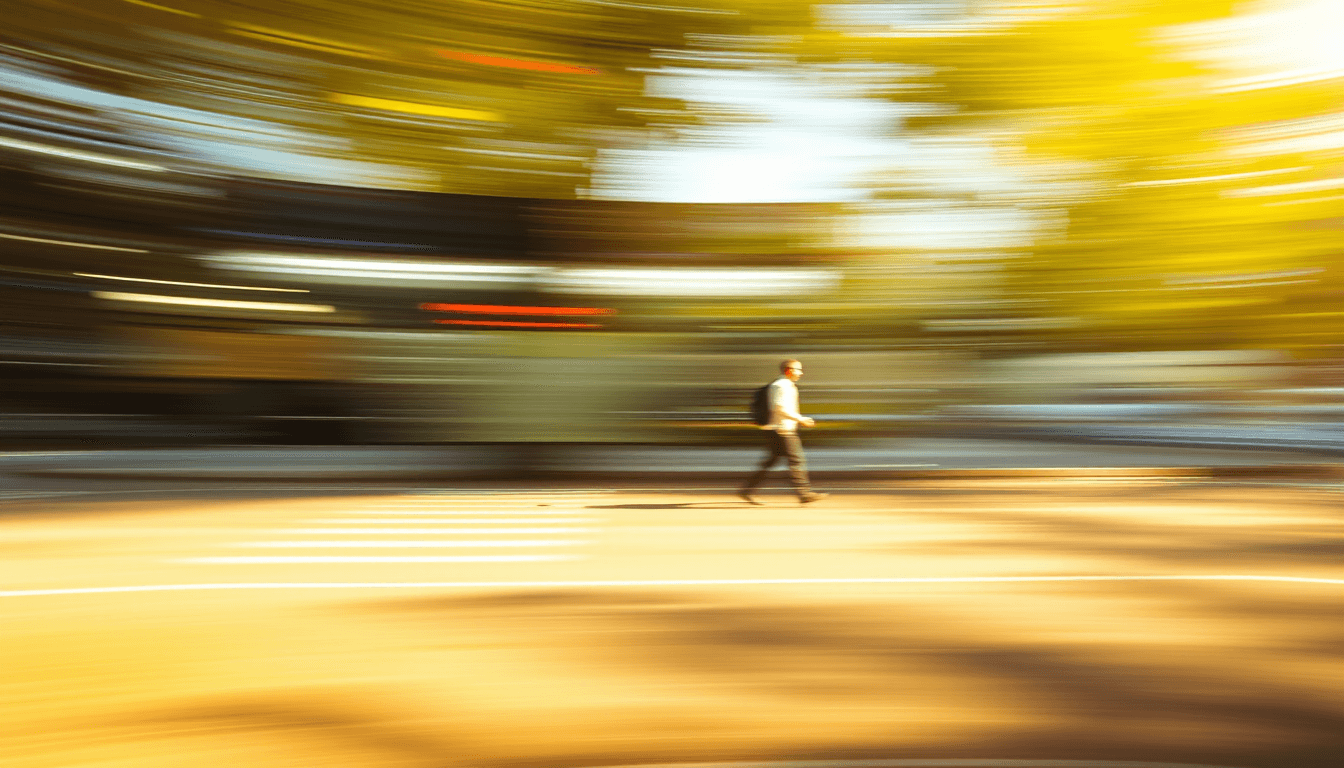
Realistic Imperfection in AI Images: Motion Blur, Aberration, Haze & Bloom (Without Overdoing It)

Next · Part 11
Cinematic vs Photographic: The Physics of Two Different Truths
This builds on Part 9: Realistic Imperfection in AI Images: Motion Blur, Aberration, Haze & Bloom (Without Overdoing It)
Continue with Part 11: Cinematic vs Photographic: The Physics of Two Different Truths
The uncanny valley isn’t about “style”—it’s about surfaces
Across this series, realism has come from getting the camera physics right: lens logic, exposure, lighting, imperfection. This part adds a different lever—the one that makes AI images look “almost” human and then quietly fail.
Surfaces give AI away because they’re where multiple physical systems overlap:
- light propagation (reflection, refraction, scattering)
- micro-geometry (roughness, pores, weave, scratches)
- material-specific spectra (skin tones, metal coloration, dielectric behavior)
- edge behavior (how highlights roll off, how transitions break)
When prompts don’t specify those behaviors, models improvise. And improvisation shows up first at material boundaries.
The five surface families (and the prompt handles they need)
Think of each material as a different kind of light problem. Your prompt should “name the physics,” not just the noun.
1) Skin: subsurface scattering + specular separation
Skin realism breaks when the image treats faces like plastic, satin, or overly perfect ceramic.
Use prompt handles that steer three things:
- subsurface scattering (SSS): skin should glow softly under highlights
- epidermal specular: bright highlights sit on top, not uniformly through the face
- micro-roughness + pores: highlights should not be razor-smooth
Keywords that help (use sparingly, in context):
- “subsurface scattering”
- “epidermal specular highlights”
- “soft diffuse glow under specular”
- “skin microtexture, fine pores”
- “natural skin translucency”
Common failure pattern: prompts say “realistic skin” but don’t say layered. The model then paints a flat approximation.
Unlock the full applied series
Get all 15 parts of The Physics of Better AI Images — 92 min read · 18,266 words across the full sequence.
Inside the series
Parts 1-4: Constraints make it real
Parts 5-9: Camera causes, not vibes
Parts 10-12: Surfaces, framing, and truth priority
Parts 13-14: Repair and recipe workflows
Part 15: Master Prompt Sheet
Realism isn’t a look—it’s the consistent physics of causes across geometry, light, and camera capture.
Membership gives access to subscriber dispatches and ongoing Pen & Muse tools. This paid series is sold separately.
If this resonates, see how to apply it to your own work with the interactive Dispatch agent.
Be first to like this dispatch