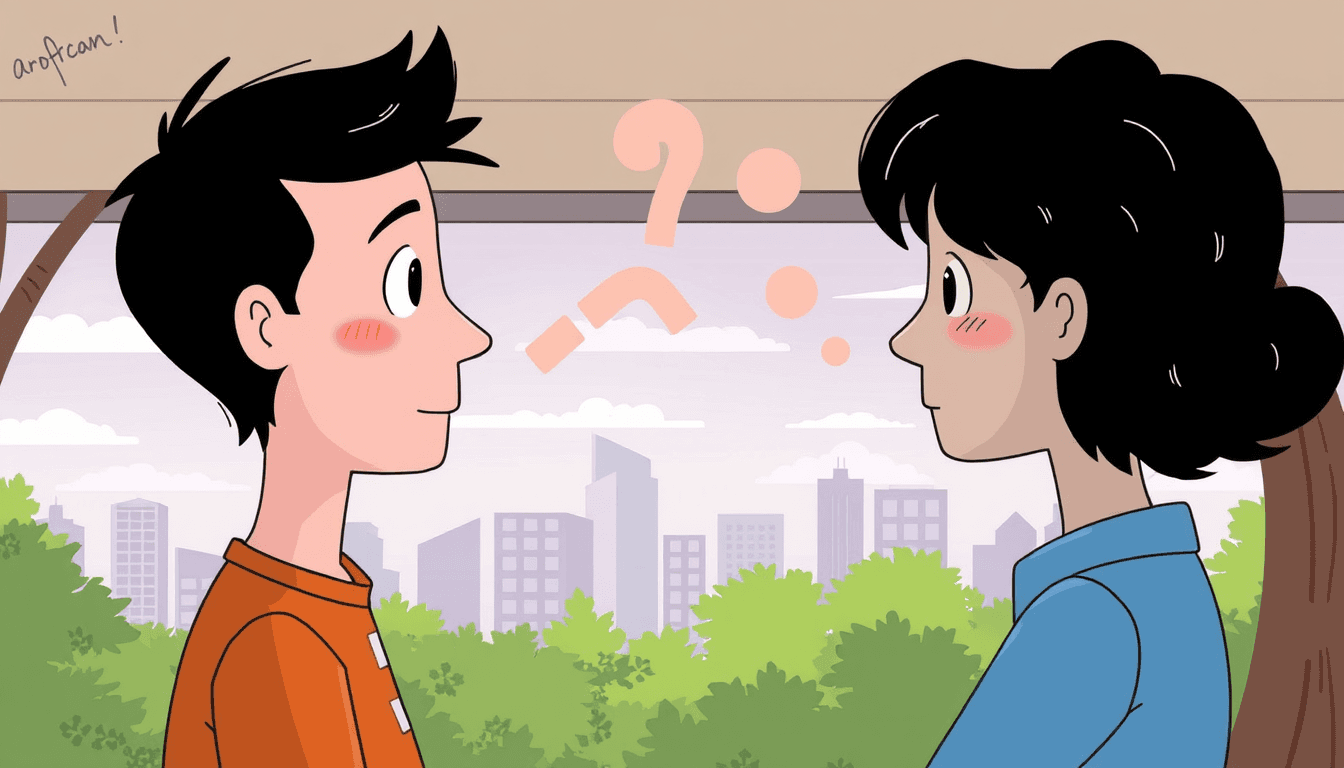
Realism isn’t a look—it’s the consistent physics of causes across geometry, light, and camera capture.


Previous · Part 11
Cinematic vs Photographic: The Physics of Two Different Truths
Next · Part 13
Repair Mode: The 30-Second Fix for Almost-Good AI Images
This builds on Part 11: Cinematic vs Photographic: The Physics of Two Different Truths
Continue with Part 13: Repair Mode: The 30-Second Fix for Almost-Good AI Images
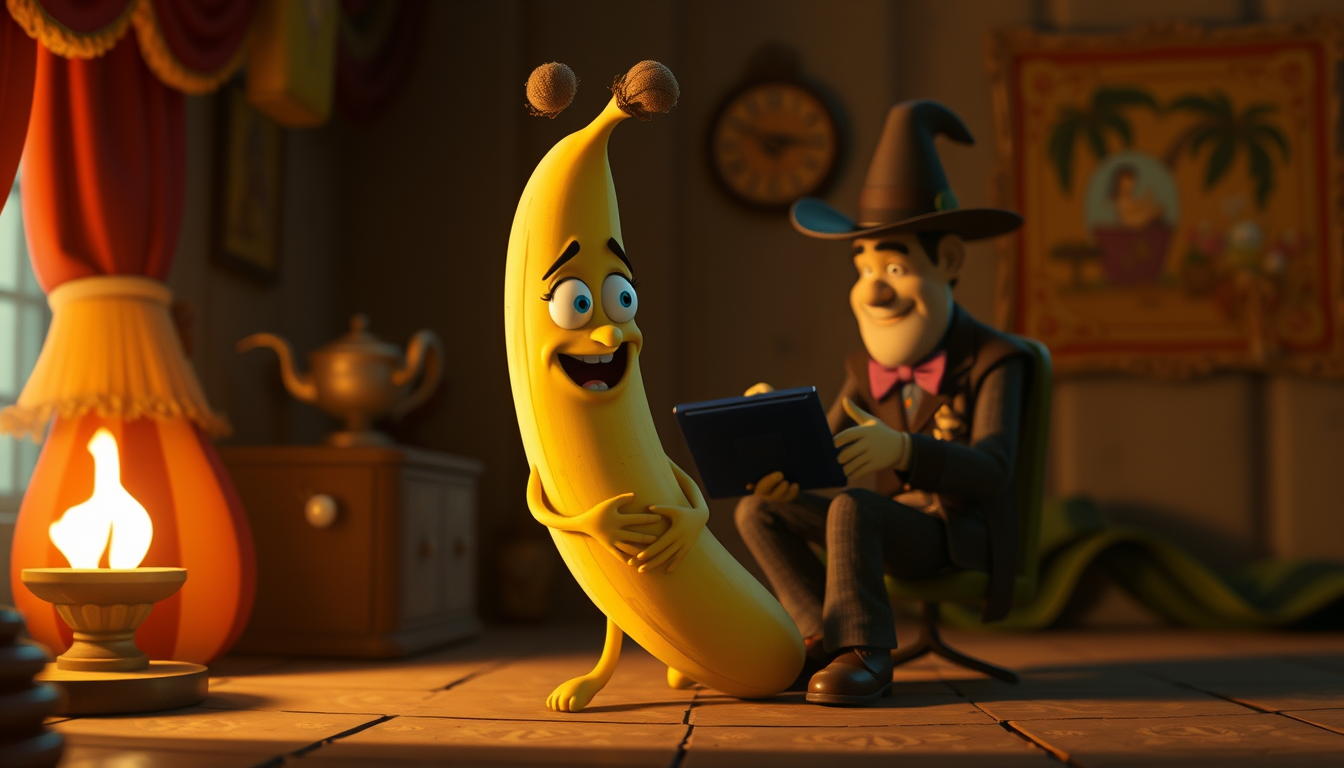
The director’s job: decide what matters, then place it
Most AI image prompts fail because they ask the model to invent a world, instead of composing one.
Shot design is the fix. It’s how cinematographers get clarity: they control framing, blocking, and camera position so every pixel has a job.
1) Framing: write the geometry before the details
Framing is your first constraint. It determines:
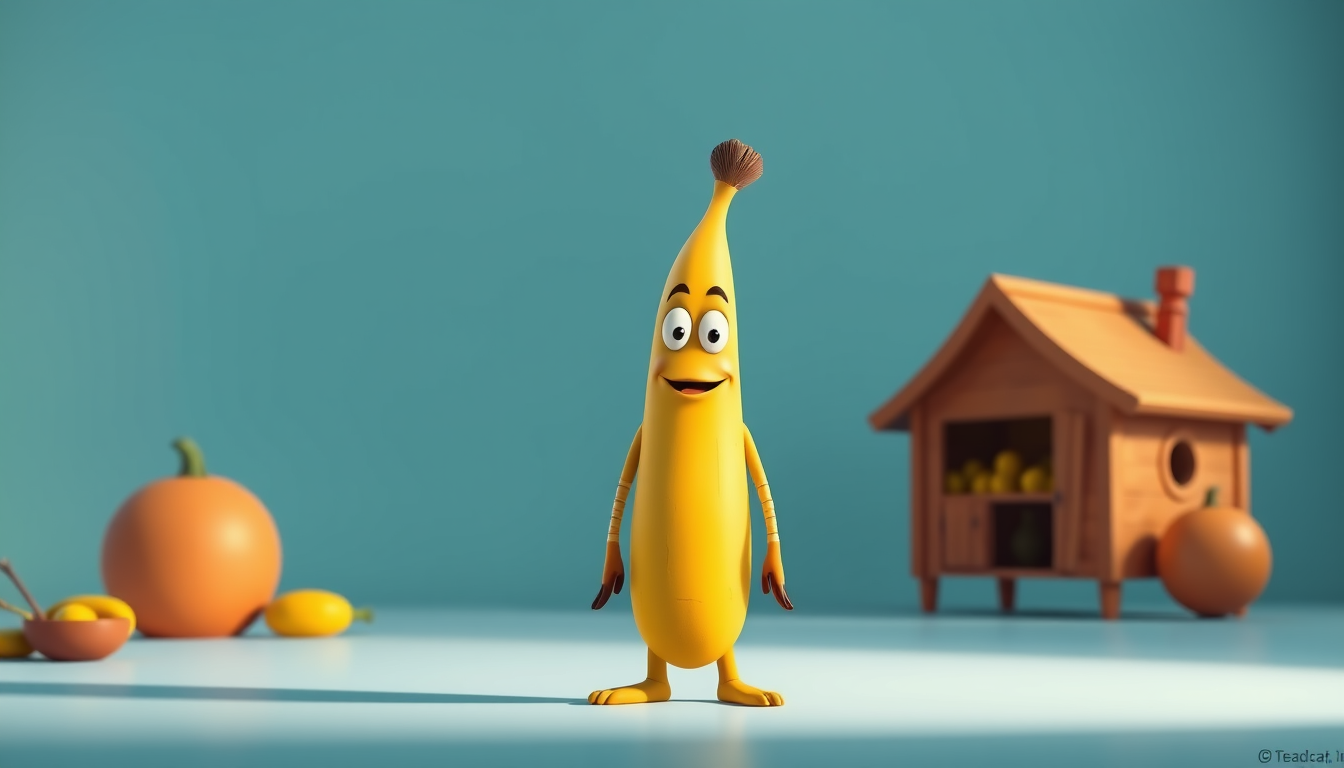
- how much context the viewer gets
- where attention lands
- how relationships read (dominance, intimacy, threat)
- what the background can support (or sabotage)
Use framing language that points to actual composition choices:
A practical framing vocabulary (that AI can reliably understand)
- Aspect & crop: “wide establishing,” “medium shot,” “tight close-up,” “over-the-shoulder”
- Subject placement: “centered,” “rule of thirds,” “leading lines”
- Depth cues: “foreground elements,” “layered background”
- Camera height: “eye level,” “slightly low,” “high angle,” “ground level”
- Lens behavior (without repeating old lens theory): “wide enough to feel immersive,” “long lens compression look” (use only if your pipeline supports it)
Micro-move: framing that changes emotion instantly
Try swapping only one phrase and observe the emotional shift:
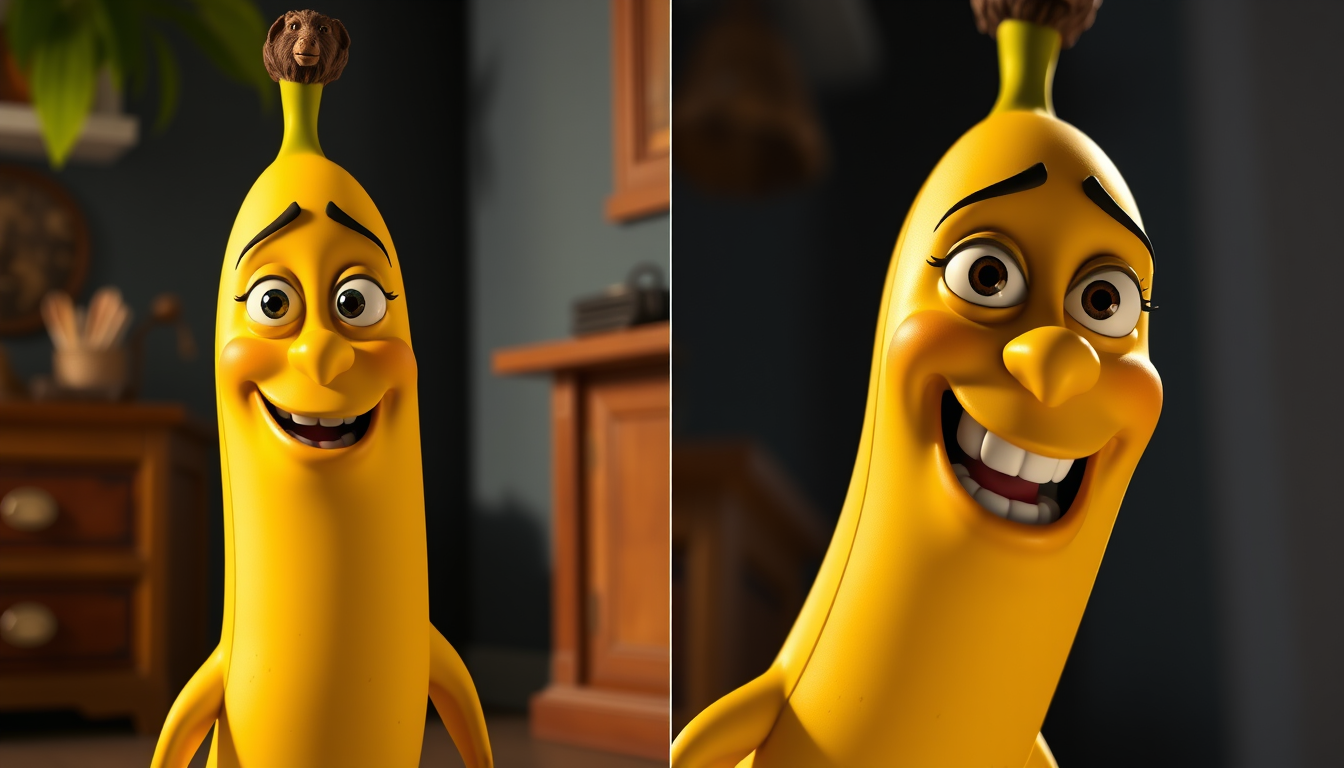
- “medium shot, eye level” → conversation energy
- “tight close-up, slightly low angle” → intensity / pressure
- “wide establishing shot, high angle” → isolation / vulnerability
Unlock the full applied series
Get all 15 parts of The Physics of Better AI Images — 92 min read · 18,266 words across the full sequence.
Inside the series
Parts 1-4: Constraints make it real
Parts 5-9: Camera causes, not vibes
Parts 10-12: Surfaces, framing, and truth priority
Parts 13-14: Repair and recipe workflows
Part 15: Master Prompt Sheet
Realism isn’t a look—it’s the consistent physics of causes across geometry, light, and camera capture.
Membership gives access to subscriber dispatches and ongoing Pen & Muse tools. This paid series is sold separately.
If this resonates, see how to apply it to your own work with the interactive Dispatch agent.
Be first to like this dispatch