Distortion begins when we confuse maps, proxies, and explanations for the world—and stop revising when reality disagrees.

Previous · Part 12
When Belonging Replaces Honesty: The Quiet Cost of Cohesion

Next · Part 14
The Data Trap: When Information Replaces Wisdom
This builds on Part 12: When Belonging Replaces Honesty: The Quiet Cost of Cohesion
Continue with Part 14: The Data Trap: When Information Replaces Wisdom
The quiet violence of “more”
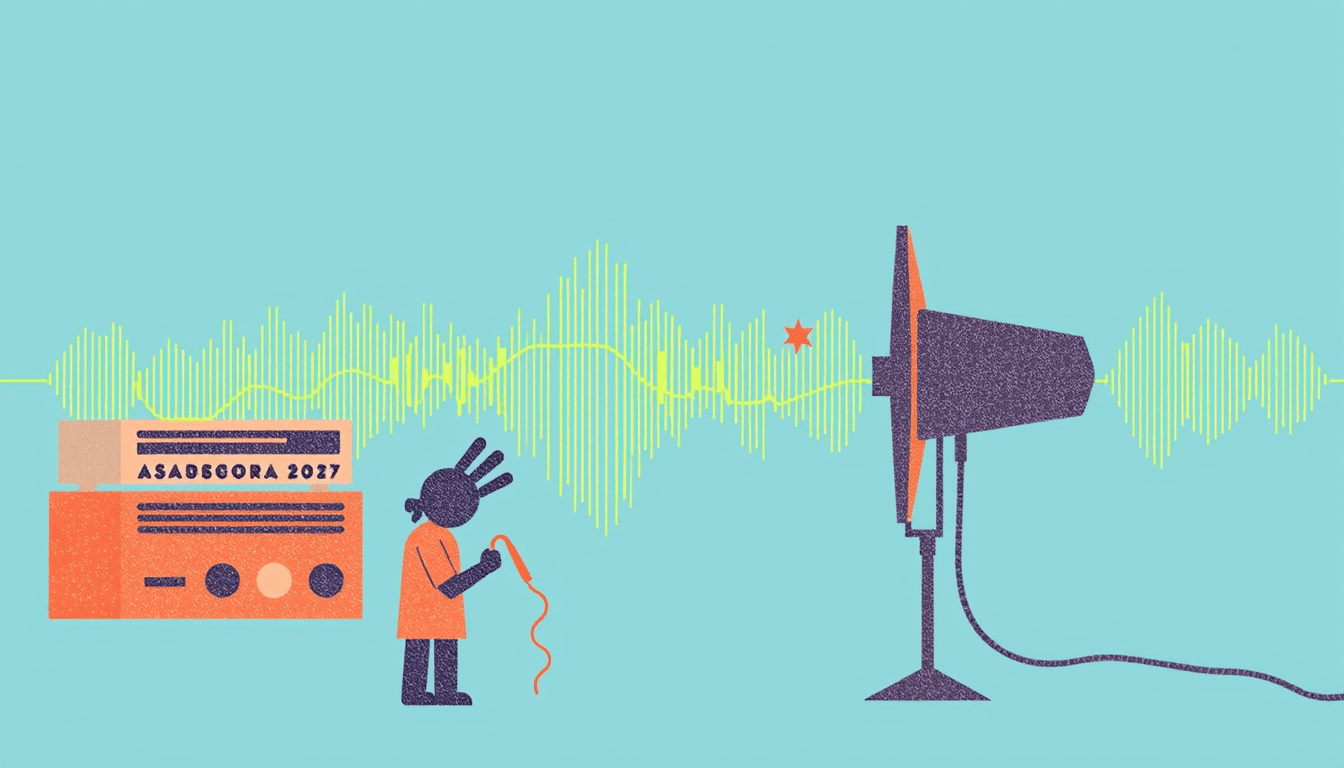
Noise doesn’t just add clutter. It changes the meaning of everything you touch.
Signal is scarce by nature. It has to be found. It demands attention, time, and selection. Noise, by contrast, is abundant by design. It arrives with a volume knob and no obligation to be true.
When noise replaces signal, the world doesn’t become less informative. It becomes harder to interpret. You stop deciding what matters, and you start reacting to what’s loudest.
How noise wins
Noise wins through a handful of predictable mechanisms. You can feel them in your day, even when you can’t name them.
1) Salience hijacks judgment
Your attention is not neutral. It’s an orienting system—wired to respond to change, threat, novelty, and motion. Noise exploits these reflexes.
A message doesn’t have to be accurate to be attention-grabbing. It just has to be distinct enough to interrupt your current thought.
2) The feed makes “latest” feel like “most important”
When information is constantly refreshed, your mind starts using recency as a proxy for value.
But “new” is not the same as “signal.” Sometimes the newest thing is the least processed thing—raw, unexamined, and loud because it’s unearned.
3) Volume creates a false sense of coverage
A flood of content can feel like knowledge because it represents breadth.
But breadth is not depth. Coverage is not comprehension. If you can’t distinguish what you’re actually learning from what you’re simply experiencing, the flood wins twice: you consume it and you mistake consumption for competence.
Continue reading with a subscription
Explorer and Immersion subscribers get full access to all premium dispatches, series, and long-form guides.
If this resonates, see how to apply it to your own work with the interactive Dispatch agent.
Be first to like this dispatch