Lasting transformation is ignited by catalysts—specific ideas or tools that compress time and amplify human capability.

Next · Part 2
The Printing Press: An Engine That Multiplied Ideas
Continue with Part 2: The Printing Press: An Engine That Multiplied Ideas
What changes when words stop living only in breath?
Oral tradition is powerful. It can carry stories, rules, and warnings across a crowd in real time. But it has a hard ceiling: memory is both the vehicle and the bottleneck.
Writing changes the relationship between a person, their ideas, and the future. It turns knowledge from something that must be remembered into something that can be handled.
The invention of writing wasn’t just new tools. It was new physics.
Think of knowledge as matter.
-
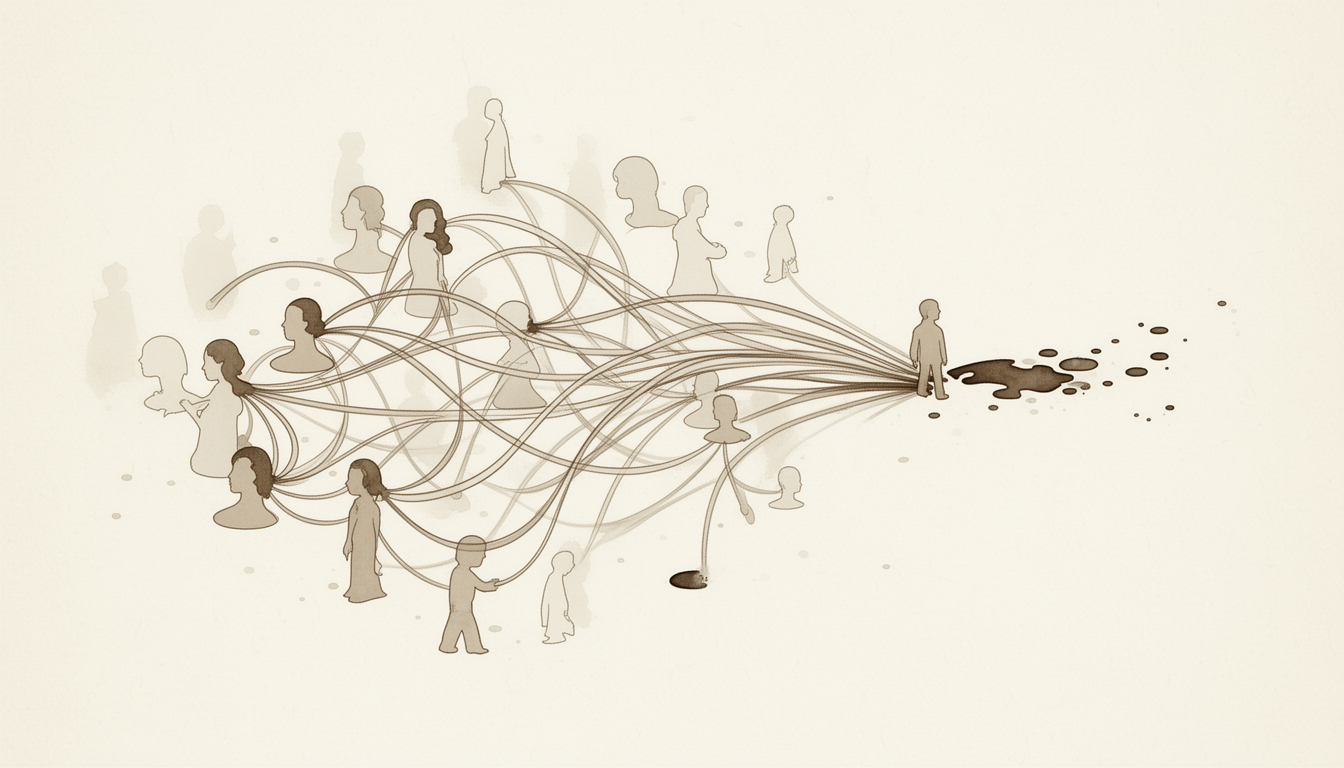
In oral systems, knowledge “flows” through people. If the right people aren’t there tomorrow, the stream changes.
-
In written systems, knowledge “accumulates” in the world. The page becomes a storage room for thought.
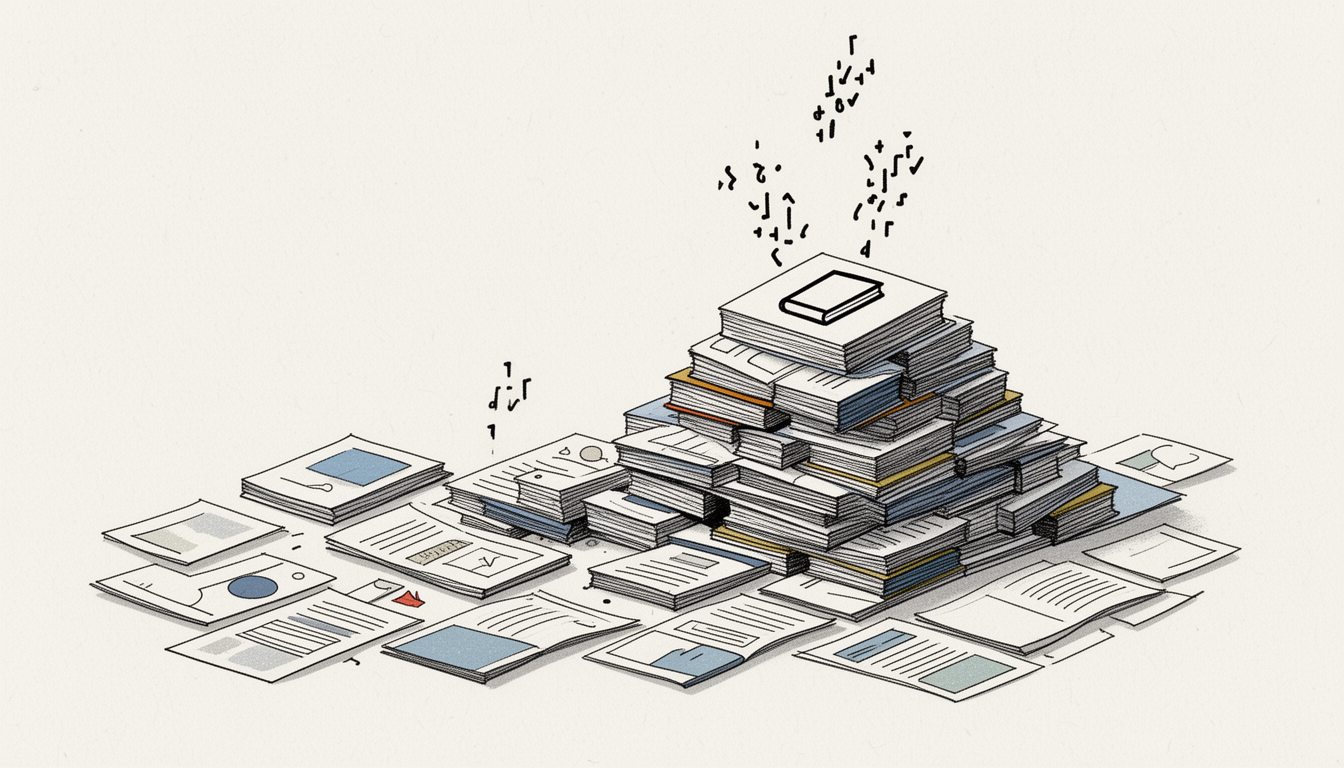
That single shift—from moving through minds to resting in artifacts—makes complex knowledge possible at a scale that oral tradition struggles to reach.
Oral tradition: excellent for the local moment
Oral culture can be astonishingly precise, especially for things that repeat: rituals, genealogies, shared maps of meaning. Skilled storytellers and teachers can train recall until it becomes reliable.
But oral transmission is constrained by:
- attention (what people can focus on),
- time (how long it takes to teach and repeat),
- and fragile continuity (what happens when the teacher is gone).
Even when it’s accurate, it’s also expensive. It takes many encounters to reproduce the same body of knowledge for many learners.
Writing: complexity gets a place to live
Once writing exists, knowledge can be:
- stored without constant retelling,
- copied without starting over,
- and compared across versions.
That last part matters more than people expect.
When you can reread, you can catch errors.
When you can copy, you can spread.
When you can spread, you can improve.
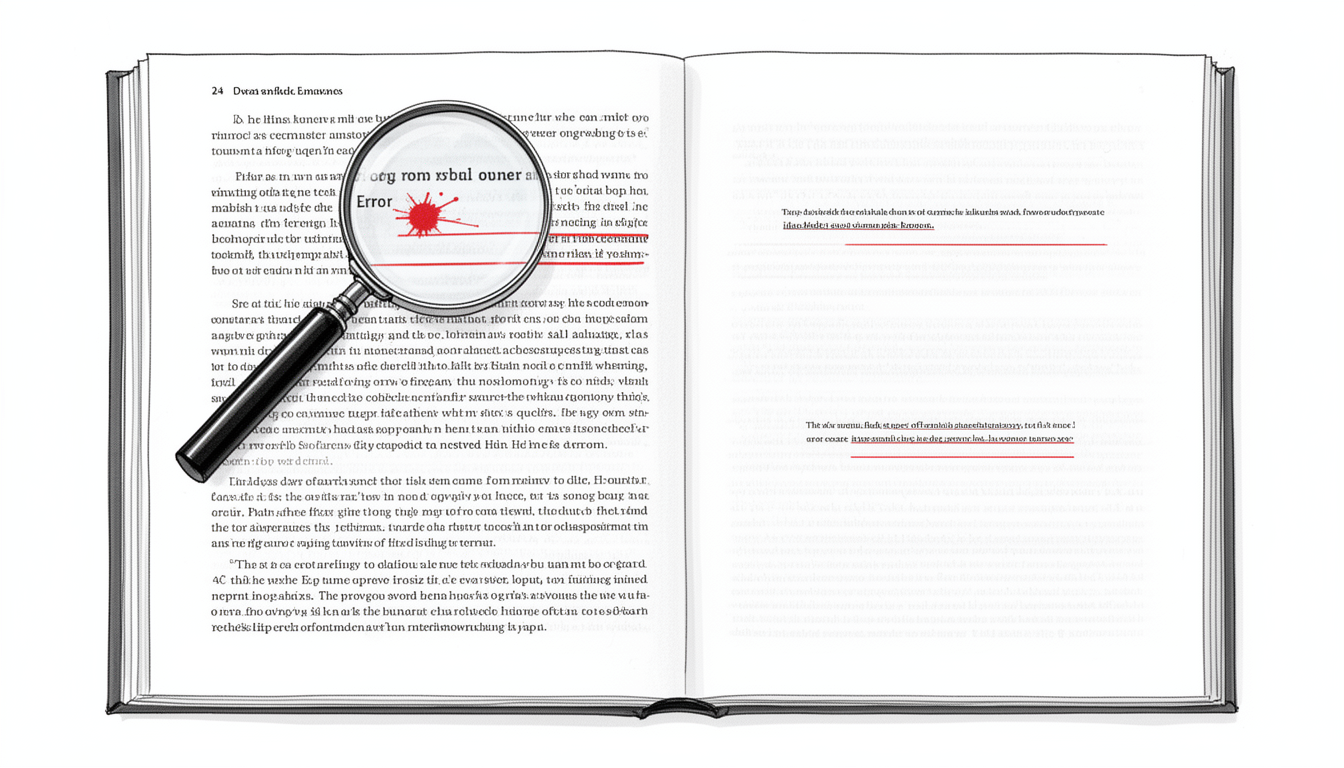
This is how complex knowledge accumulates: not because people suddenly become smarter, but because ideas stop depending entirely on a single fragile channel.
The first real breakthrough: stable reference
A spoken system is like a conversation where everyone has to be present.
A written system is like a fixed reference point. You can point to it.
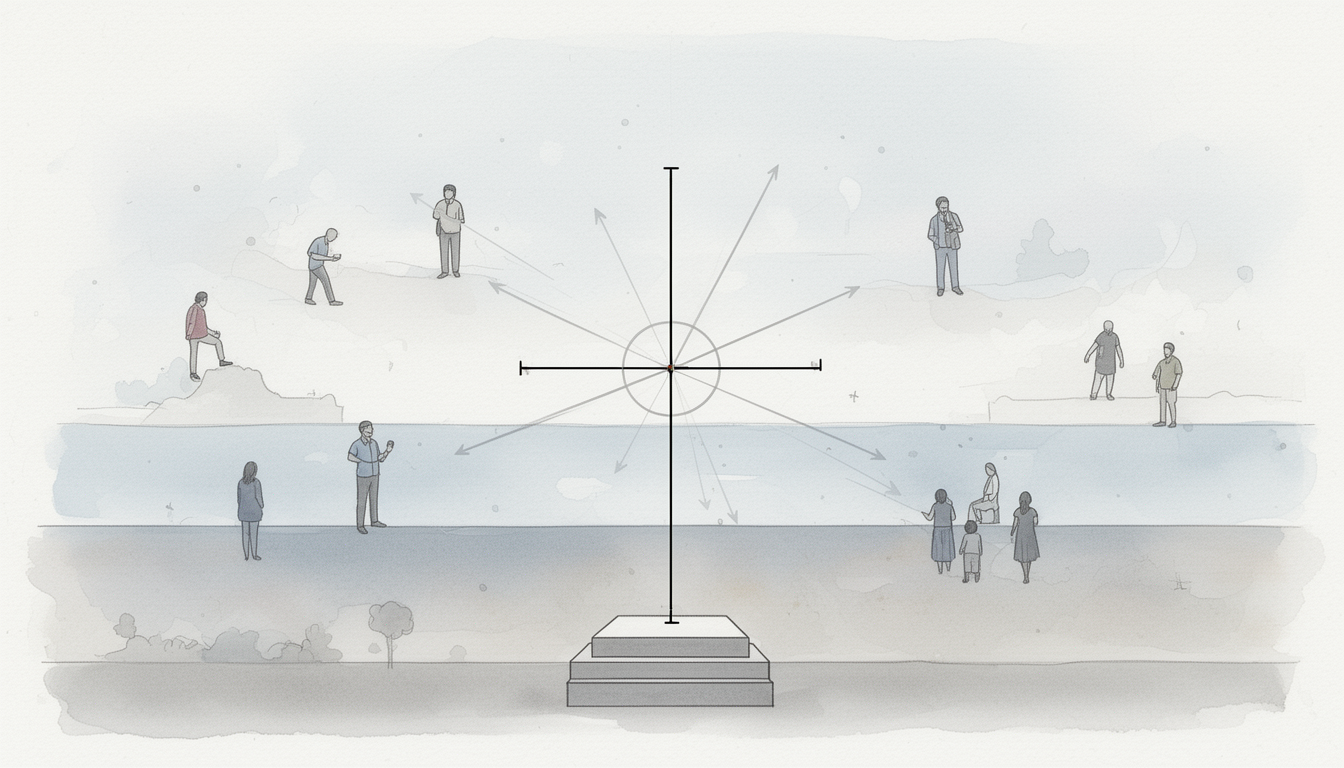
And when you can point, you can coordinate:
- across distance,
- across generations,
- across different groups with different memories.
That coordination is the hidden engine behind complexity. It turns “we heard it” into “it is here,” and “it is here” into “we can verify it.”
How writing enables transmission across generations
Oral teaching depends on living continuity. Written transmission creates something else: continuity of text.
That allows knowledge to survive changes in:
- who is in charge,
- which teachers are available,
- and which communities are nearby.
Even if culture shifts, the older records can still be used as material—translated, interpreted, debated, and refined.
A simple model: from “teaching” to “updating”
Consider what happens when knowledge becomes editable.
In oral tradition, you learn the version you hear. If it changes, you’re essentially starting from a new baseline.
In written tradition, you can build on earlier versions. Notes can be added. Corrections can be made. Clarifications can be appended.
This creates a pathway from:
- instructions → manuals,
- rumors → evidence,
- poems → archives.
And once knowledge can be updated, complex systems—like math methods, land records, legal arguments, medical practices—can accumulate without being reinvented each time.
Why “writing” also means “standardizing”
Writing doesn’t only store speech. It also helps shape it.
When people rely on texts, they start aligning:
- pronunciations,
- spellings,
- definitions,
- and categories.
That kind of alignment might look boring. It’s also the scaffolding for advanced thinking. Complex knowledge needs shared terms. Shared terms need durable reference.
Writing makes shared reference practical.
The real catalyst: more than preservation—amplification
The transition from oral to written tradition is a catalyst because it changes the possible size and shape of human knowledge.
Without writing, complexity is local: it lives in communities, tied to who teaches it.
With writing, complexity becomes portable: it can move, endure, and compound.
And once ideas can compound over time, civilizations can do something they couldn’t do before: build layered understanding rather than repeating the same lessons forever.
If this resonates, see how to apply it to your own work with the interactive Dispatch agent.
1 reader liked this dispatch