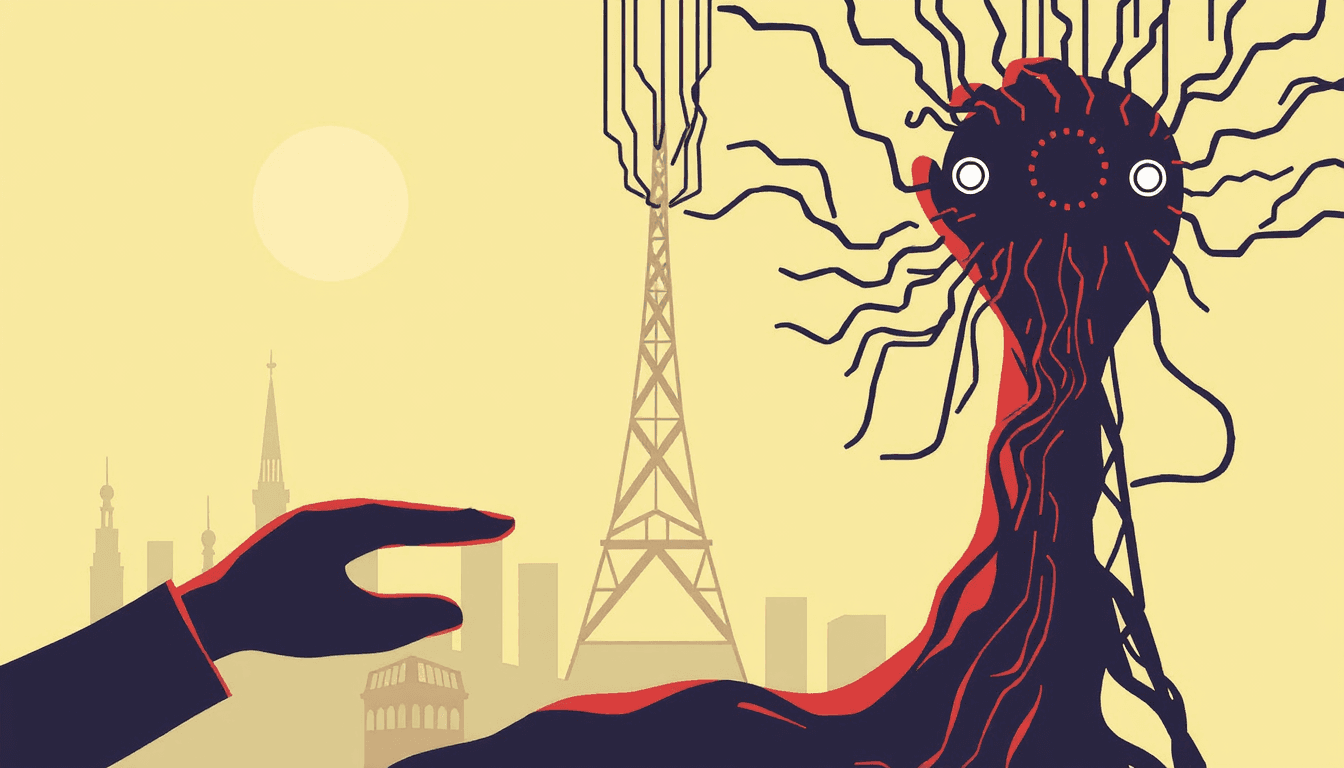
Distortion begins when we confuse maps, proxies, and explanations for the world—and stop revising when reality disagrees.


Next · Part 2
The Polite Lie: When Language Hides Reality
Continue with Part 2: The Polite Lie: When Language Hides Reality
You don’t notice the distortion at first.
It begins as relief. A simplified version. A usable version. A version your brain can hold.
But every model is a trade: clarity for completeness.
And once the trade becomes habit, the trade stops feeling like a trade.
What “bending reality” actually looks like
“Reality” doesn’t get replaced all at once. It gets bent—just enough to stay functional.
At first, the bend is convenient:
- We compress messy experience into categories.
- We reduce uncertainty into probabilities.
- We translate feelings into explanations.
This is not stupidity. It’s survival.
The distortion comes later—when the compression starts driving the decisions rather than serving them.
The first distortion: abstraction that pretends to be contact
Abstraction is how we think. Without it, we’d drown.
But abstraction has a dangerous superpower: it feels like “knowing,” especially when it’s coherent.
So we begin to treat the internal representation as if it were the external world.
Not with a dramatic “falsehood,” but with a subtle shift in posture:
- from checking → to assuming
- from listening → to interpreting
- from experiencing → to explaining
Where it shows up (in ordinary life)
This pattern appears across domains, because it’s a feature of cognition:
In relationships
You don’t meet a person; you meet your prediction of a person.
Then you call the prediction “their personality.”
At work
You don’t see outcomes; you see the dashboard.
Continue reading with a subscription
Explorer and Immersion subscribers get full access to all premium dispatches, series, and long-form guides.
If this resonates, see how to apply it to your own work with the interactive Dispatch agent.
Be first to like this dispatch