Lasting transformation is ignited by catalysts—specific ideas or tools that compress time and amplify human capability.


Previous · Part 1
Writing as a Time Machine: The First Catalyst of Complex Knowledge
Next · Part 3
The Scientific Method: The Discipline That Taught Knowledge to Correct Itself
This builds on Part 1: Writing as a Time Machine: The First Catalyst of Complex Knowledge
Continue with Part 3: The Scientific Method: The Discipline That Taught Knowledge to Correct Itself
Before the Press, Knowledge Had Gates
For centuries, the written word wasn’t just rare. It was guarded.
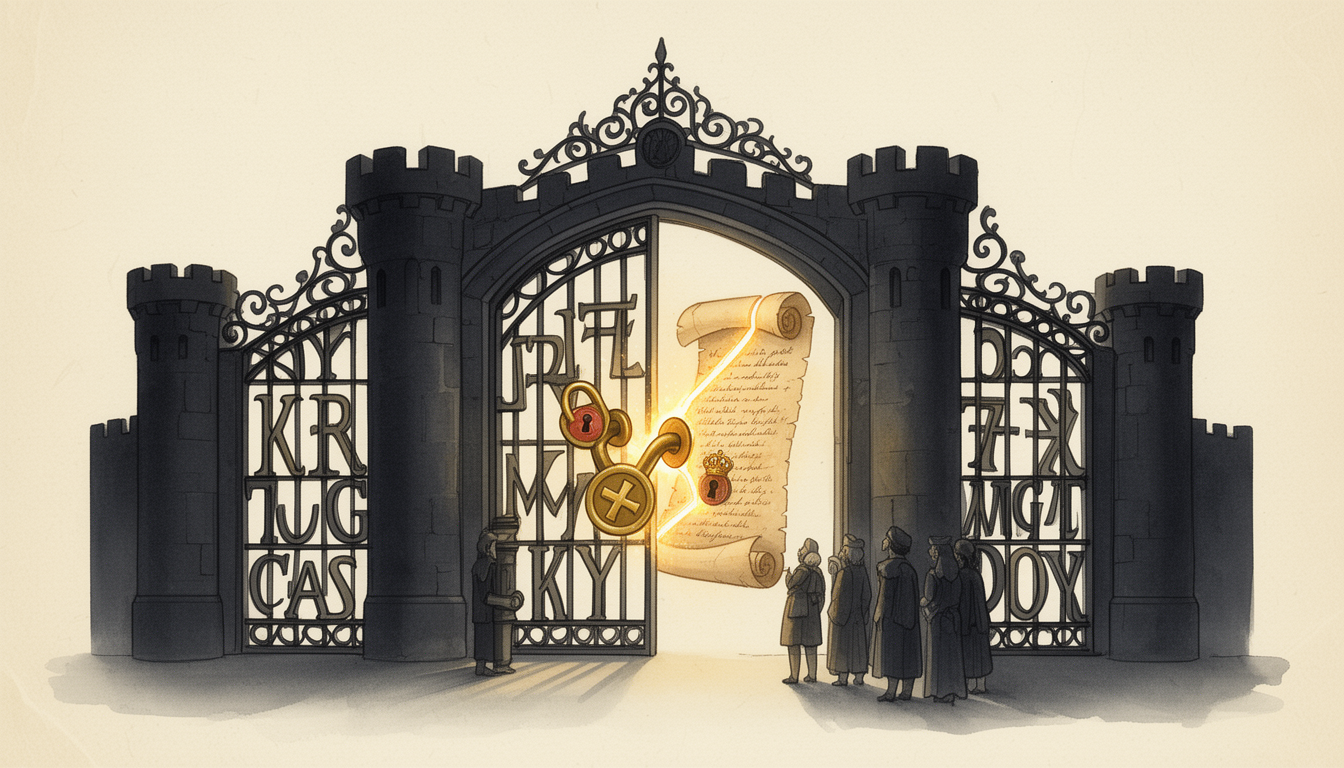
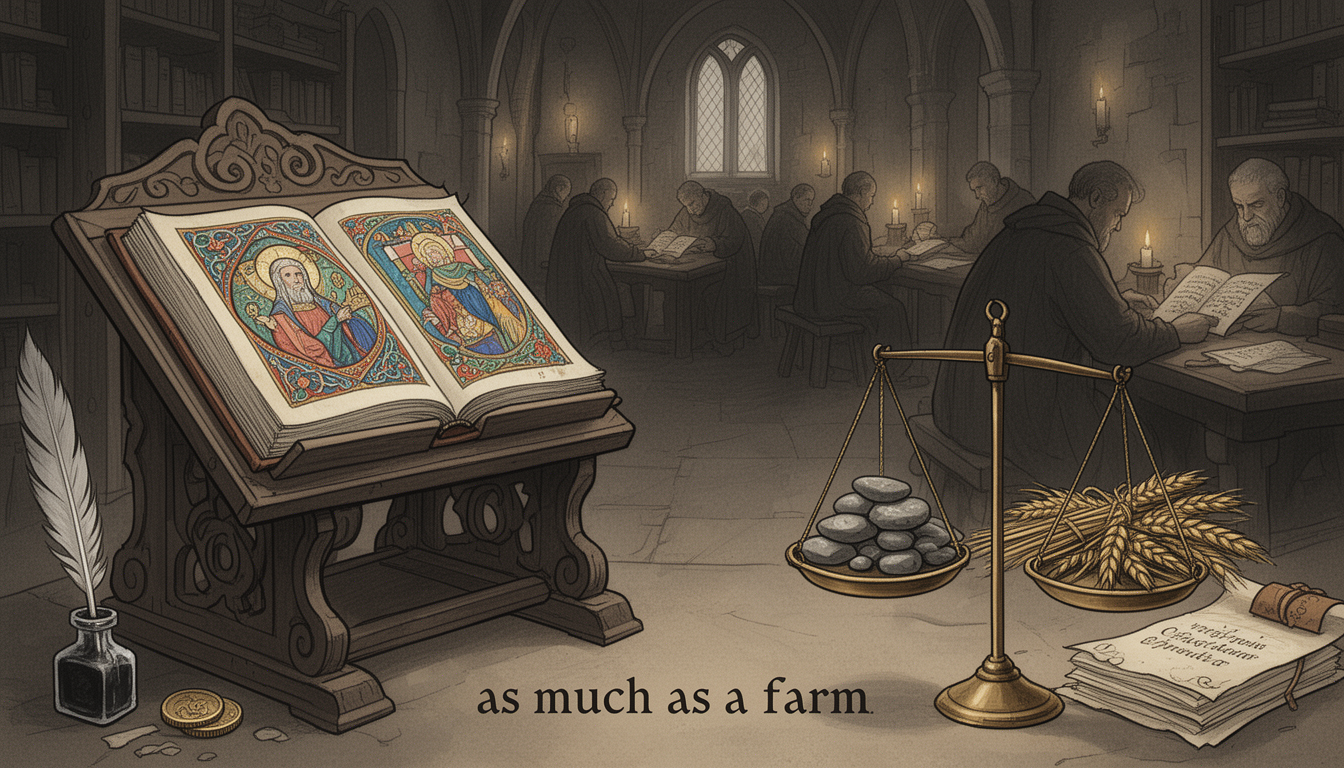
Monastery scriptoriums and university courts held the keys to knowledge production. A single book—hand-copied over months or years—could cost as much as a farm. So information didn’t simply lack speed. It lacked access. It was state-controlled, church-vetted, and effectively unavailable to most people.
Gutenberg Didn’t Just Print—He Built a Multiplication Engine
Johannes Gutenberg’s work in the 1450s wasn’t “a faster scribe.” It was a philosophical detonation.
Movable metal type, oil-based ink, and a press system adapted from existing technology created something new: an engine for multiplication. Instead of one unique manuscript, you could produce identical copies—quickly enough to matter, cheaply enough to spread.
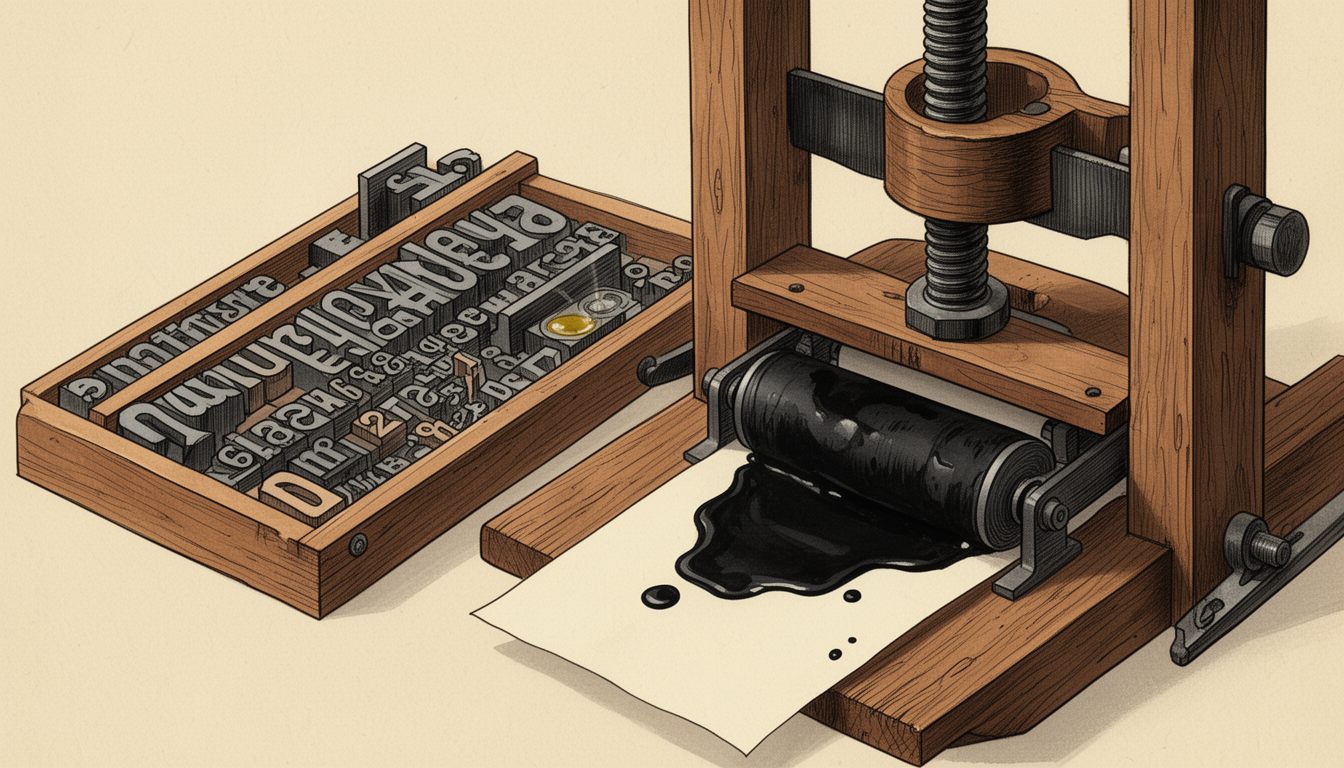
And the math mattered. Book costs collapsed by factors large enough to change behavior. Suddenly, ideas weren’t stuck behind the patience of handwriting. They could travel at the speed of production.
The Immediate Output Was an Information Cascade
Once the press could generate copies reliably, Europe began to fill—fast.

By around 1500, estimates suggest tens of millions of volumes had rolled off presses. That’s not just “more books.” It’s a new rhythm of thought. Ideas could outpace armies and edicts designed to contain them.
This is where the real catalyst shows up: not the book, but the cascade.
When replication is cheap and dependable, the social system changes. People start to treat ideas as things they can encounter, compare, argue with, and pass along.
The Reformation Was a Media Event in Disguise
The Reformation needed more than theology. It needed distribution.
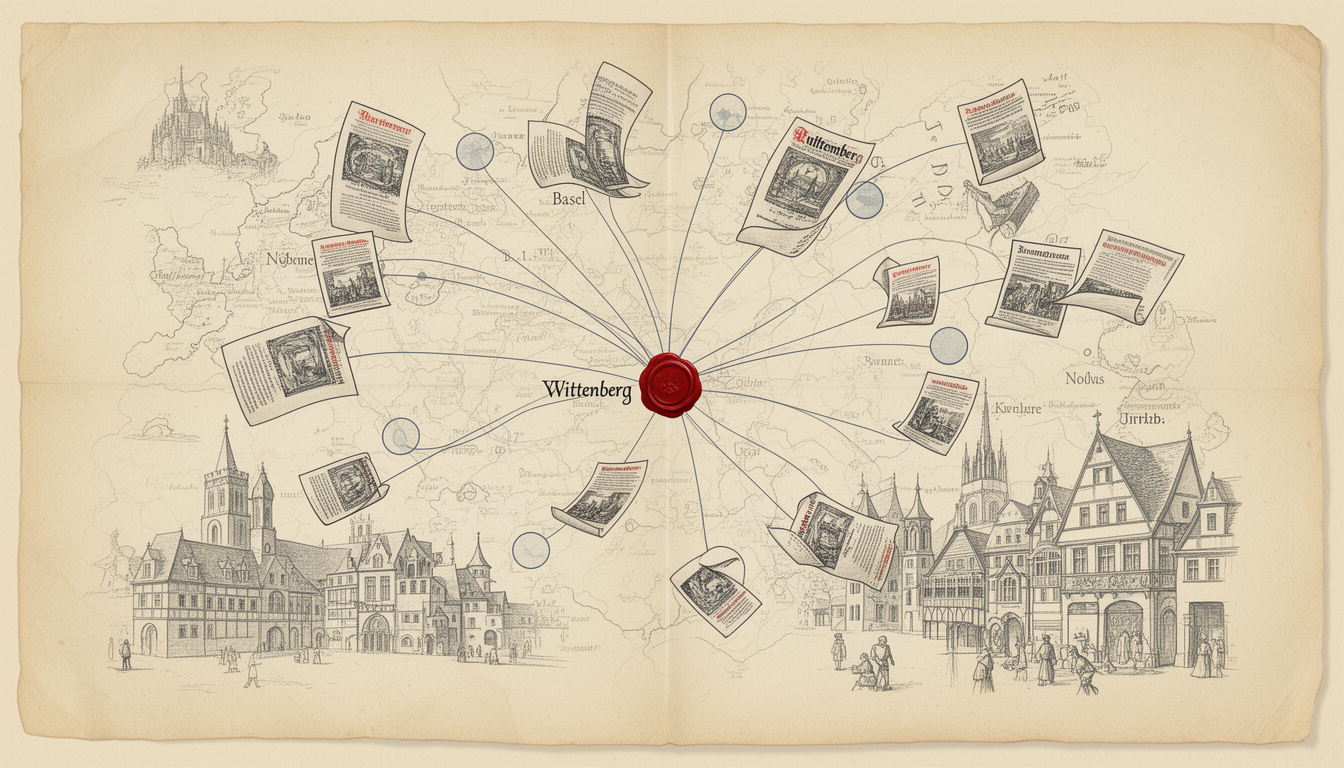
Martin Luther’s 95 Theses (1517) could have stayed a local academic dispute—narrow, slow, and easy to manage. But printers in places like Basel and Nuremberg mass-produced the text. Within weeks, Luther’s arguments weren’t confined to one town’s debate. They were suddenly continental.
Luther himself understood that the press wasn’t merely mechanical. In his view, printing aligned with a purpose larger than institutions:
“Printing is the ultimate gift of God and the greatest one. Indeed, through it, God wished to make known the cause of true religion to the whole earth, to the ends of the world.”
— Martin Luther
Then came the deeper fracture: vernacular scripture.
As Bibles were widely printed in German and English, laypeople could read and interpret for themselves. That bypassed the old ladder of authority—clerical interpretation—and redistributed intellectual agency.
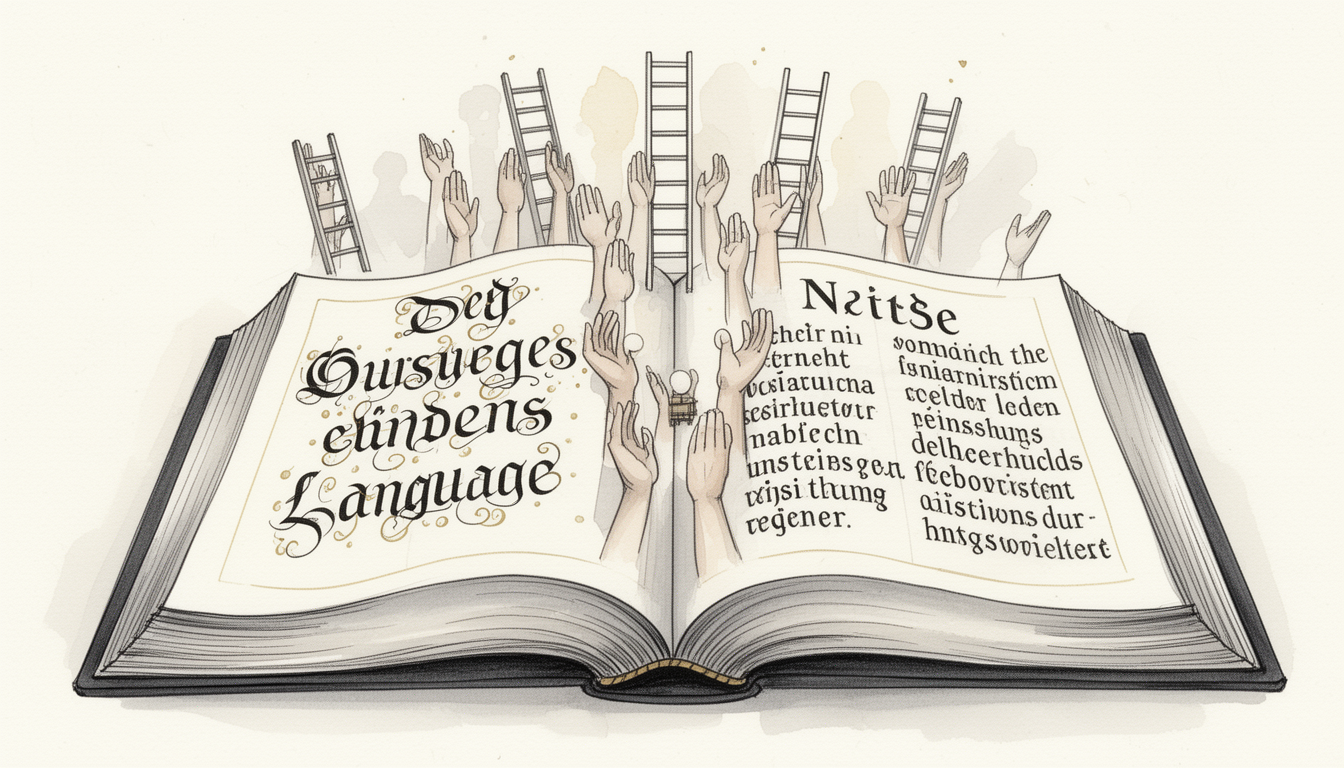
The Reformation, at its core, wasn’t only a religious revolt. It was a media revolution that changed who gets to speak with the text.
The Enlightenment Found Its Fuel: Repeatable Debate
After the Reformation, the press didn’t go quiet. It became infrastructure for a new kind of intellectual life.
Scientific and philosophical works—Copernicus, Locke, and many others—could circulate across borders. They could be debated. Critiqued. Re-edited by different hands in different places. Knowledge became more cumulative, because errors could be challenged and evidence could be referenced in public.
Coffeehouses and salons buzzed, not because people suddenly became smarter, but because printed pamphlets and treatises made conversation durable. Discussion could now outlast the room it started in.
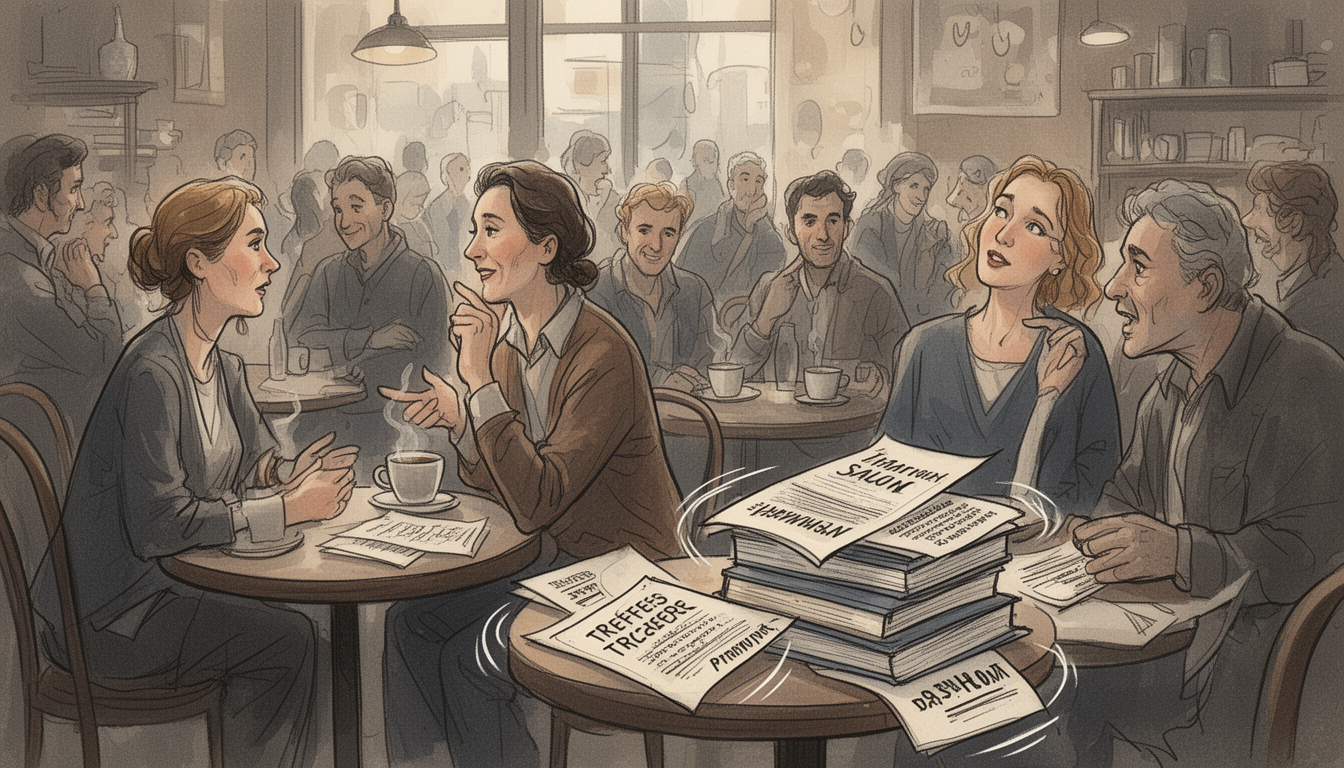
And that’s the quiet shift that matters most: authority of reason began its climb.
Not as a feeling. As a practice.
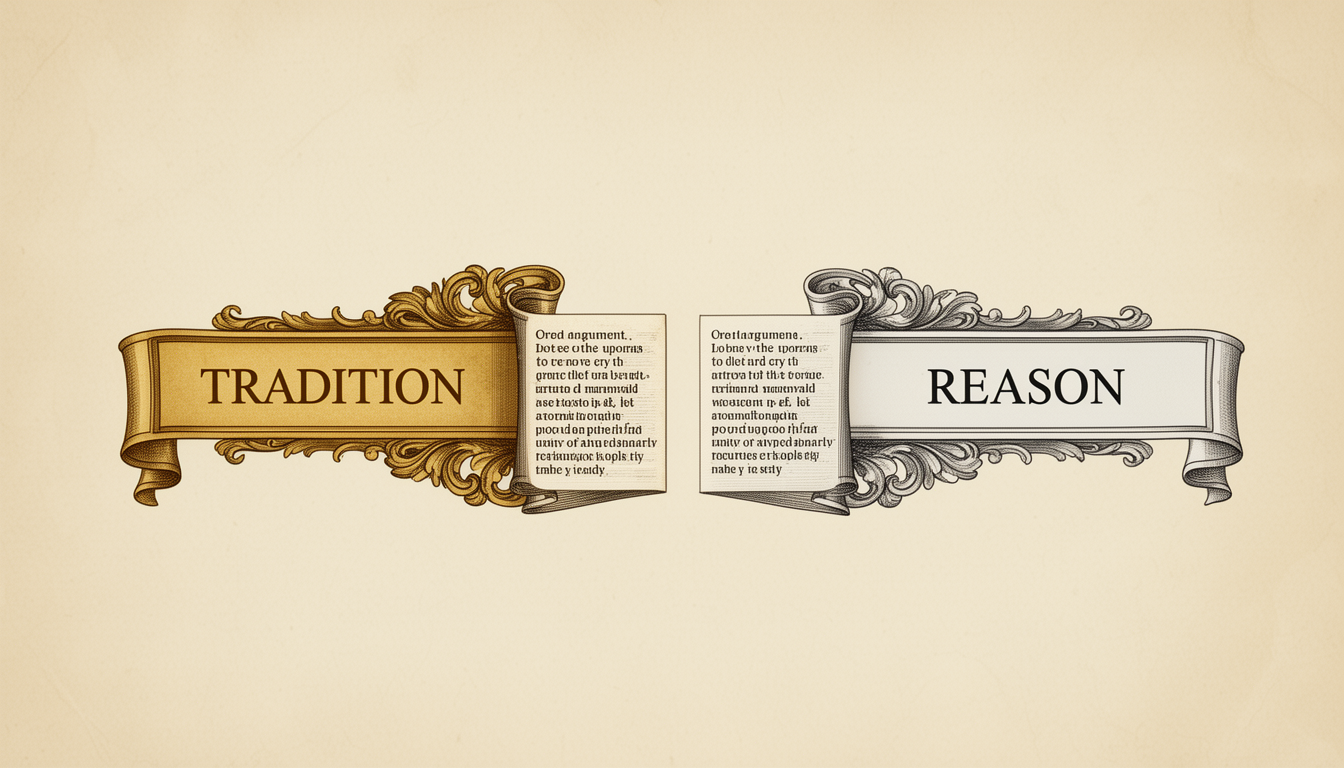
The press made it possible to return to the same arguments, compare versions, and test claims against something more stable than memory. Tradition still had its voice—but reason gained one too. And it had a crucial advantage: it could be repeated.
What Gutenberg Changed (Beyond History Books)
There’s a temptation to see the printing press as a “technology story.” It’s also a “power story.”
Before, knowledge was gated by cost, time, and access. Gutenberg replaced scarcity with replication. And once replication became possible, ideas stopped behaving like private property.
They started behaving like weather.
The Catalyst in One Clean Line
The press turned words into an engine—so thoughts could multiply, travel, and compete.
Diagram: Movable type + Ink + Press leads to Cheap, repeatable copies; Cheap, repeatable copies leads to Public access to texts; Public access to texts leads to Fast spread of arguments; Fast spread of arguments leads to New institutions of debate; New institutions of debate leads to Shifts in authority: tradition → reason.
Diagram: Movable type + Ink + Press leads to Cheap, repeatable copies; Cheap, repeatable copies leads to Public access to texts; Public access to texts leads to Fast spread of arguments; Fast spread of arguments leads to New institutions of debate; New institutions of debate leads to Shifts in authority: tradition → reason.
If this resonates, see how to apply it to your own work with the interactive Dispatch agent.
Be first to like this dispatch