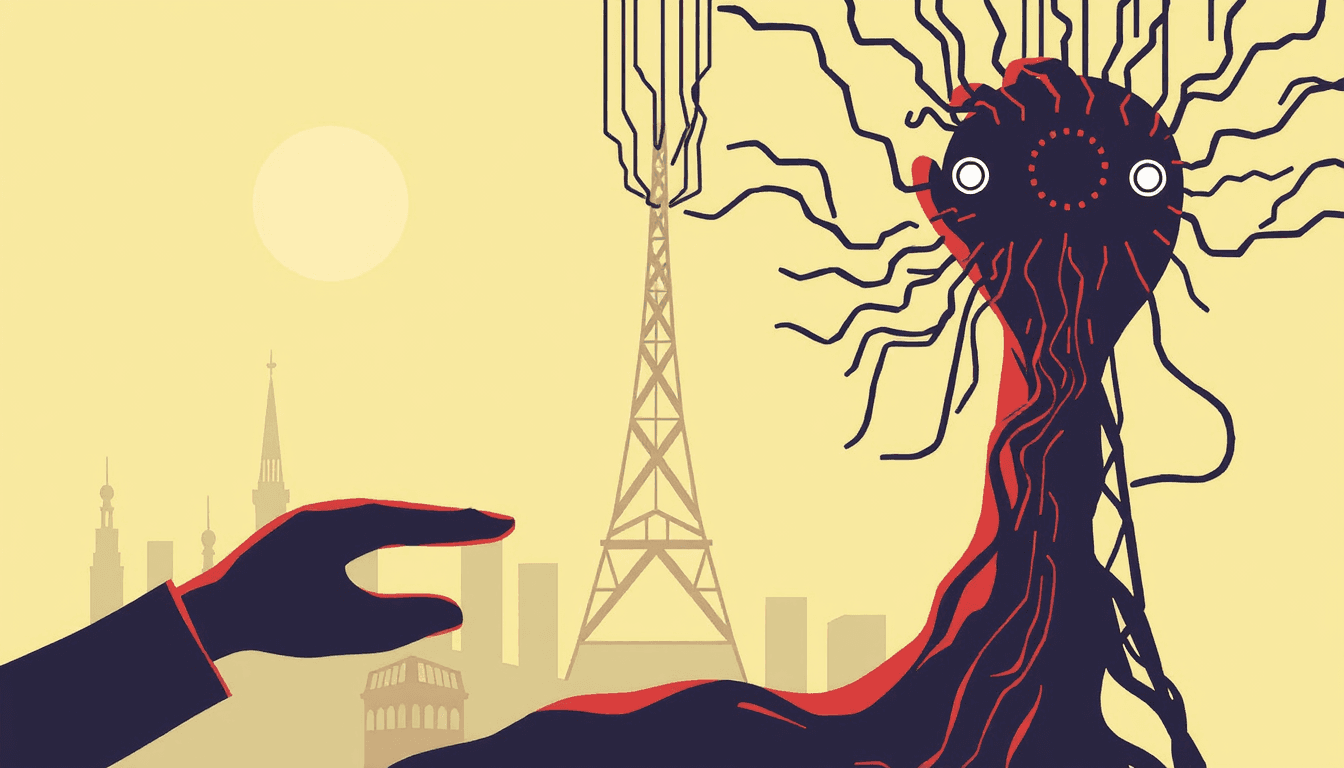
Your identity is the byproduct of evidence you repeatedly make true.

Previous · Part 3
Borrowed Identity vs Built Identity: When Traits Become Habits
Next · Part 5
Consistency Signals: How People (Including You) Believe Patterns, Not Promises
This builds on Part 3: Borrowed Identity vs Built Identity: When Traits Become Habits
Continue with Part 5: Consistency Signals: How People (Including You) Believe Patterns, Not Promises
Environment Writes Identity Faster Than Intention
If identity is what you reliably do, then environment is what reliably happens to you. You don’t need to “want” a behavior into existence. You need the conditions that make it easier than the alternatives.
The quiet mechanism: choice architecture
Most days, you don’t make real choices—you make small commits within a narrow box. Your environment pre-decides the box.
Think of it like this: intention is a spotlight. Environment is the lighting rig. You can aim the spotlight at a goal all you like; if the rig keeps changing your view, your spotlight won’t lead.
Wanting isn’t the bottleneck—acting is
People treat identity change as a motivation problem. But motivation is slow. Environment writes faster because it updates continuously.
- You wake up to cues that pull you in a direction.
- You move through spaces that reward one default.
- You interact with people who normalize certain stories about you.
- You use tools that either invite the next step or make it annoying.
Identity forms where momentum comes from.
More than “habits”: the world as a collaborator
Environment doesn’t just trigger habits—it selects for them.
When a behavior is consistently reinforced by the surroundings, it stops feeling like a personal project. It starts feeling like the natural way you operate. That’s the moment identity hardens.
The most underrated lever: friction
You can’t out-intend friction. If the path to the behavior is shorter, your identity will follow it.
Try a simple inversion: ask not “How do I motivate myself?” but “How do I reduce the distance between me and the behavior?”
- Reduce friction to start.
- Increase friction to avoid.
- Remove repeated negotiation points (the tiny moments where your future self loses).
Where you are shapes who you become
This is the core shift for Part 4: you’re not just building yourself from the inside. You’re also being built by the outside.
“Where you are” includes:
- physical location
- digital surfaces
- time-of-day rhythms
- who you see
- what you can access instantly
- what you’re expected to do
- what gets rewarded without asking
You become more than what you want when you stop relying on wanting.
A practical map: environment → behavior → identity
Use this to diagnose what’s really happening.
Diagram: Environment conditions leads to Behavior likelihood; Behavior likelihood leads to Repeated action; Repeated action leads to Identity signal; Identity signal leads to Self-story updates; Self-story updates leads to Future behavior; Future behavior leads to Behavior likelihood.
Diagram: Environment conditions leads to Behavior likelihood; Behavior likelihood leads to Repeated action; Repeated action leads to Identity signal; Identity signal leads to Self-story updates; Self-story updates leads to Future behavior; Future behavior leads to Behavior likelihood.
Your goal isn’t to “find your identity.” Your goal is to create the conditions under which your identity has fewer reasons to resist.
Engineering an identity shift (without drama)
Identity changes stick when the environment does the persuasion.
Steps
Example moves (choose one, not ten)
- Make the desired option the first option. Same tool, different default.
- Turn “later” into a physical delay. Log out, remove tabs, schedule the start.
- Make accountability visible. A dashboard, a message queue, a public commitment.
- Change your intake. If your feed trains you, your identity will learn the pattern.
- Redesign your “arrival moment.” The first 5 minutes after you enter a space is where many identities are decided.
The “more than what you want” part
Wanting is reactive. Engineering is proactive.
“More than what you want” means you stop negotiating with yourself. You set up a world where the person you want to become has a smooth route forward—and the old self keeps encountering unnecessary obstacles.
That’s not a transformation by force. It’s a transformation by structure.
Your next 60 minutes
Do the minimum that changes tomorrow’s default.
Final takeaway
If you want identity you can rely on, don’t just rewrite your intentions—rewrite your conditions.
If this resonates, see how to apply it to your own work with the interactive Dispatch agent.
Be first to like this dispatch