
Previous · Part 3
The Slow Death of Deep Thought

Next · Part 5
Rest Is Now a Performance: Why Quiet Feels Like Failure
This builds on Part 3: The Slow Death of Deep Thought
Continue with Part 5: Rest Is Now a Performance: Why Quiet Feels Like Failure
Mental residue
You close the app. You’re done.
But the day doesn’t empty out with it. The headline is still there. The comment still has a weight. That half-watched video keeps replaying one frame in the background, like it never got permission to finish.
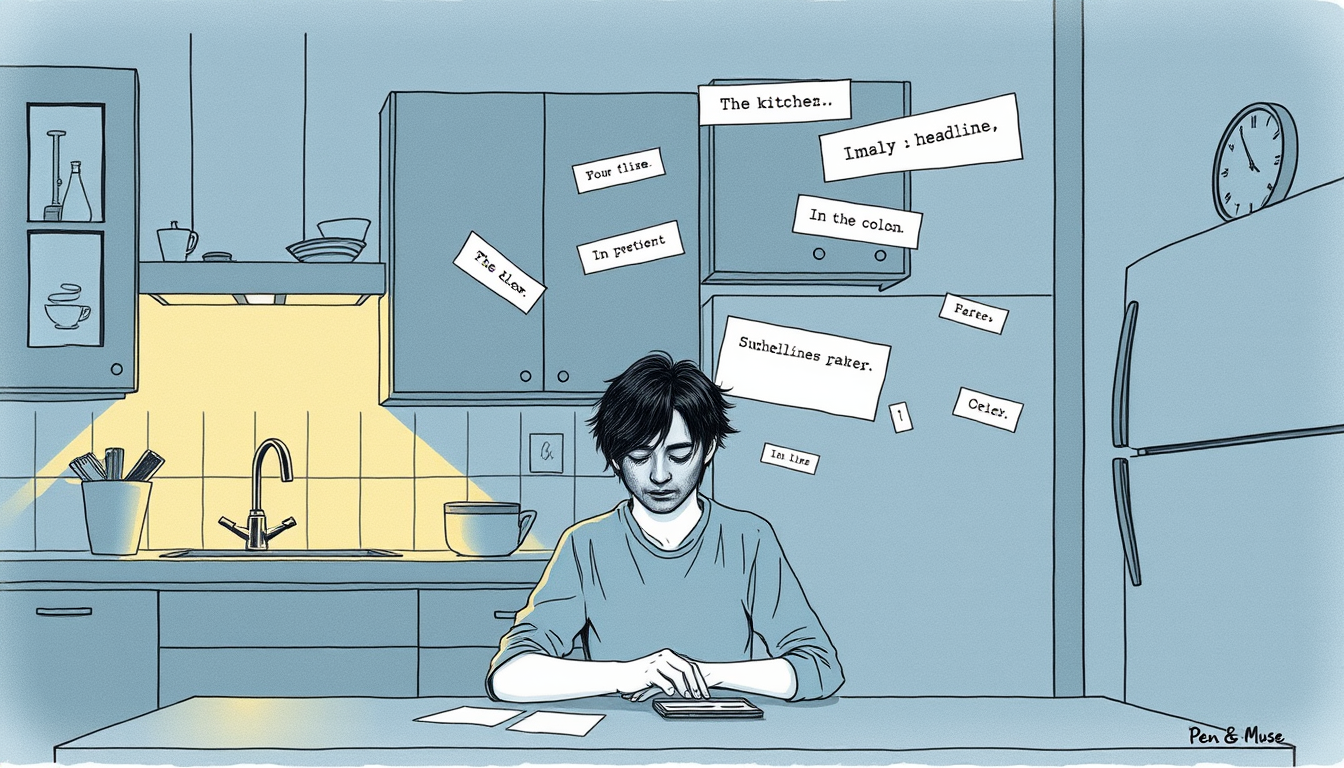
Someone else’s outrage followed you into your kitchen.
Someone else’s “huge win” still sits warm behind your ribs.
Someone else’s life is still being compared to yours—without your consent, and without any context that would make it fair.
Full, but not nourished
Infinite input creates a peculiar inner state: you feel mentally full and strangely empty at the same time.
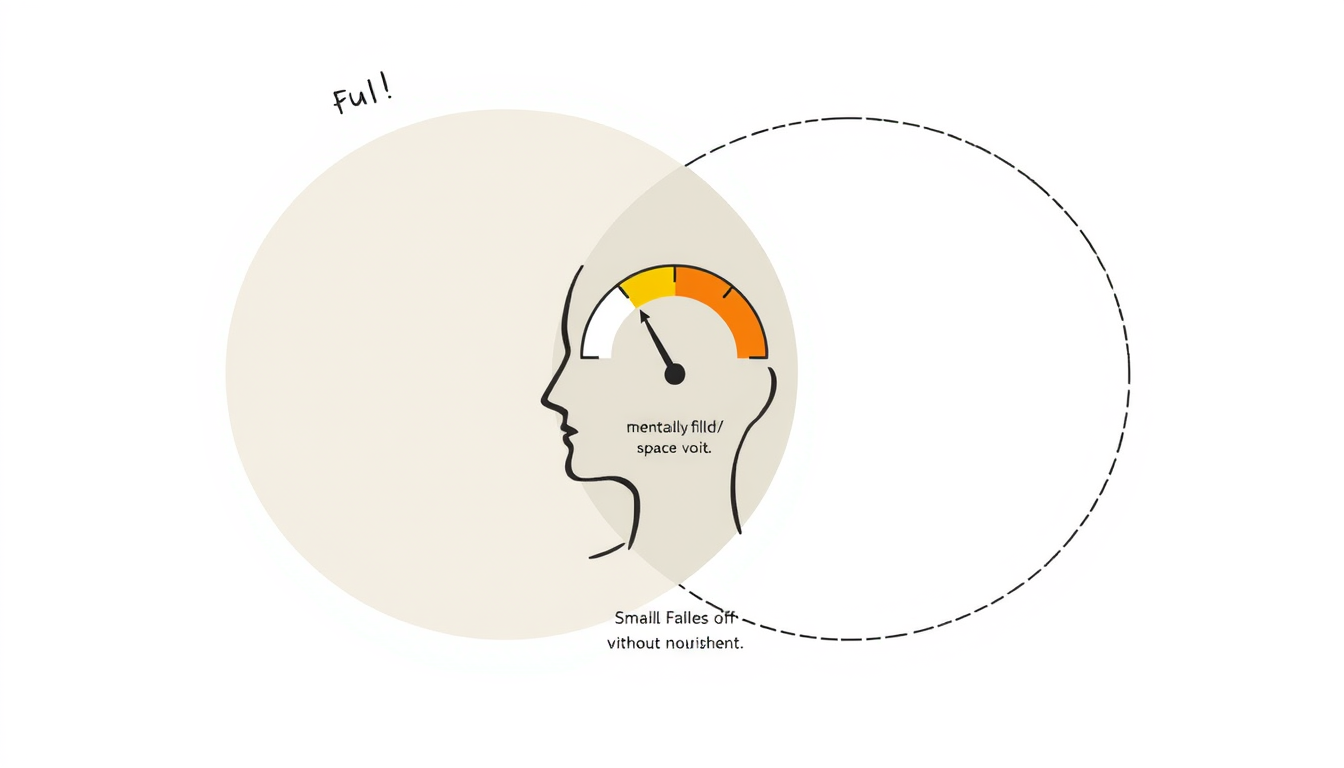
It’s not that you’re doing nothing.
It’s that you’re doing a kind of ingestion without digestion.
You consume opinions, images, updates, arguments, announcements.
You take in emotions—anger, fear, triumph—because they’re packaged as “relevant.”
Then you try to live inside your own thoughts… but your mind is already crowded with other people’s weather.
And so you move through the day feeling busy in a way that doesn’t become sustenance.
Fragmentation: the mind divided into tabs
There’s a moment after checking your feed where everything feels slightly out of sync.
Not “confused” exactly.
More like—separate.
Continue reading with a subscription
Explorer and Immersion subscribers get full access to all premium dispatches, series, and long-form guides.
If this resonates, see how to apply it to your own work with the interactive Dispatch agent.
Be first to like this dispatch