You’re Not Losing Focus—You’re Being Redirected
Philosophy5 May 2026Published by Pen & Muse

You’re Not Losing Focus—You’re Being Redirected

Back to Dispatches
Part 1 of a 5-part series26 min read · 5,190 words total
Dispatch SeriesPart 1 of 5
The Attention War You’re Already Losing
Series PositionPart 1 of 5
You’re Not Losing Focus—You’re Being Redirected
Everything Feels Urgent Because Urgency Was Designed

Next · Part 2

Everything Feels Urgent Because Urgency Was Designed

Continue with Part 2: Everything Feels Urgent Because Urgency Was Designed

Most of us don’t start our work day like villains.

We start it like believers.
We sit down with an intention: write, read, think, build. Something simple and human.

And then it happens.

You check “one quick thing.”
Not even because you want to. Just because it’s there. A ping. A preview. A notification badge. A tab you left open yesterday like a loose tooth.

Twenty minutes vanish.
You return to the original task—annoyed, small, and oddly ashamed.

Not just that you were distracted. That you shouldn’t have been.

The familiar shame of trying—and failing

There’s a script your brain learns fast.

You try to focus.
You slip.
You interpret the slip as proof of a flaw.

“I can’t concentrate.”
“I’m easily distracted.”
“I don’t have discipline.”

And the story gets worse with repetition, because each failure feels personal. Like a private weakness.

But here’s the quiet question hiding under the guilt:

Was your interruption random?

Or was it engineered?

You don’t have a neutral environment problem

Most people imagine distraction as weather.

It happens. It blows through. You get caught in it.

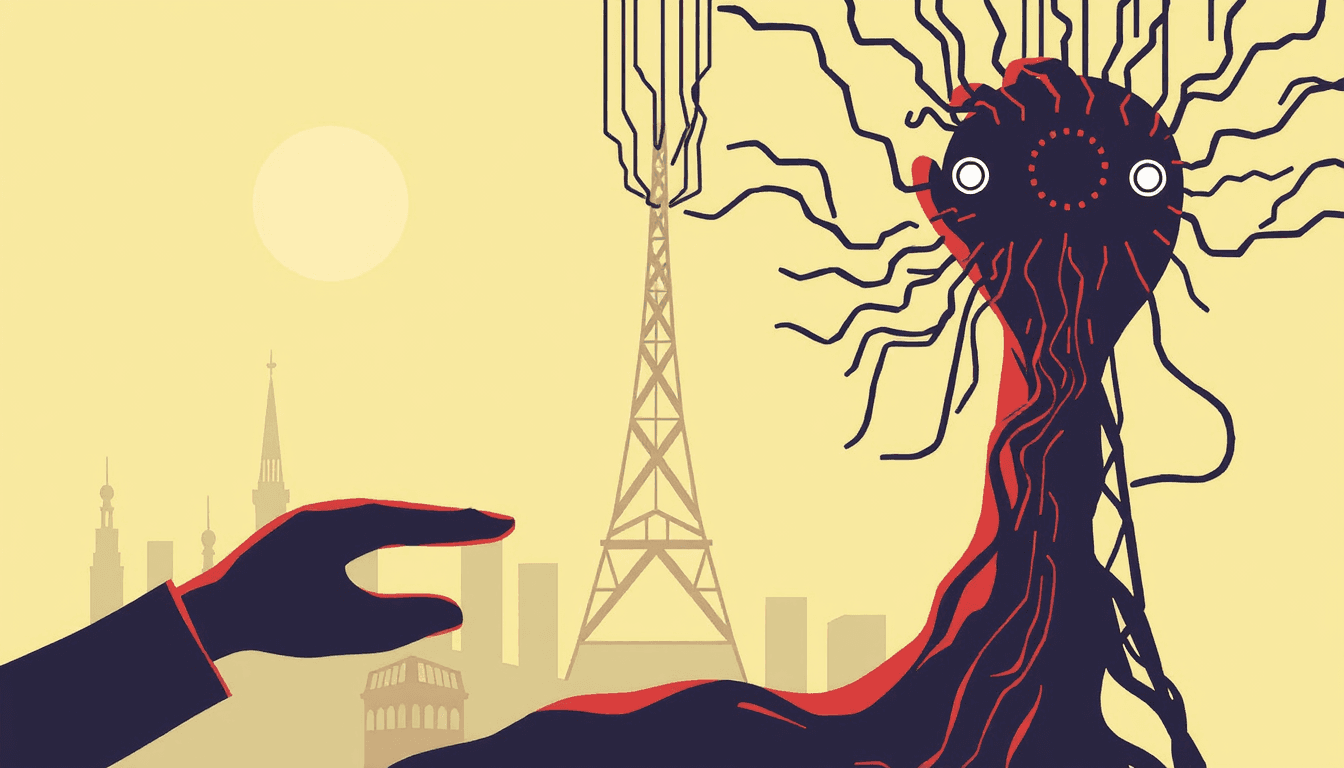
But modern distraction isn’t weather. It’s architecture.

Digital environments are built to keep you available—reactive, curious, and not quite satisfied. They don’t just contain attention. They actively compete for it.

Feeds, notifications, messages, recommendations, infinite scroll—these aren’t neutral features. They’re designed around one recurring motion:

You intended something… then the system supplies something else.

And the more you engage, the better it gets at predicting what might pull you next. Not your needs. Your next interruption.

✦ Subscriber Exclusive

Continue reading with a subscription

Explorer and Immersion subscribers get full access to all premium dispatches, series, and long-form guides.

If this resonates, see how to apply it to your own work with the interactive Dispatch agent.

Be first to like this dispatch
More in PhilosophyView all →
Keep Reading, Then Step Inside
Cover of Dead Air
Book + Immersive Experience£3.99

Dead Air

Pen & Muse

## Dead Air **Genre:** Fiction / Crime Thriller / Noir **Tone:** Hard-Boiled, Claustrophobic, Slow-Burn Dread **Experience Type:** Cold Case Unravelling ### Overview It's the graveyard shift at Municipal Radio. The host — a former investigative journalist now reading zoning ordinances into the dark — gets a call. The caller knows things no one should know. He calls himself The Night Owl. He has details from the Cressi Jackson disappearance that were never released, procedural errors the original police team never acknowledged, and an access road near an old reservoir that triggers something quiet and deeply uncomfortable in the host's memory — something about his late father. The Night Owl doesn't want to chat. He wants airtime. All of it. Now. *Dead Air* is a claustrophobic, late-night noir that unspools through a single radio station booth, a two-decade-old cold case, and the growing dread of a man who realizes the truth he failed to find twenty years ago may have been buried by people he loved. Channelling the hard-boiled intimacy of Dennis Lehane and the psychological precision of Tana French, this is crime fiction that turns the screws slowly, methodically, and with real moral weight. ### What to Expect from This Experience A deliberately paced descent — each chapter tightening the grip of The Night Owl's broadcast as the host's past and the cold case collapse into each other. Sessions are atmospheric and tense, built around voice, dread, and the slow surfacing of things better left buried. ### Ideal For Fans of literary crime fiction and radio-noir — readers who want their mystery drenched in atmosphere, driven by character guilt, and structured around a revelation that implicates the protagonist as deeply as anyone else.

Platform Access

Interested in building narratives using our proprietary architecture? Join the creator waitlist.