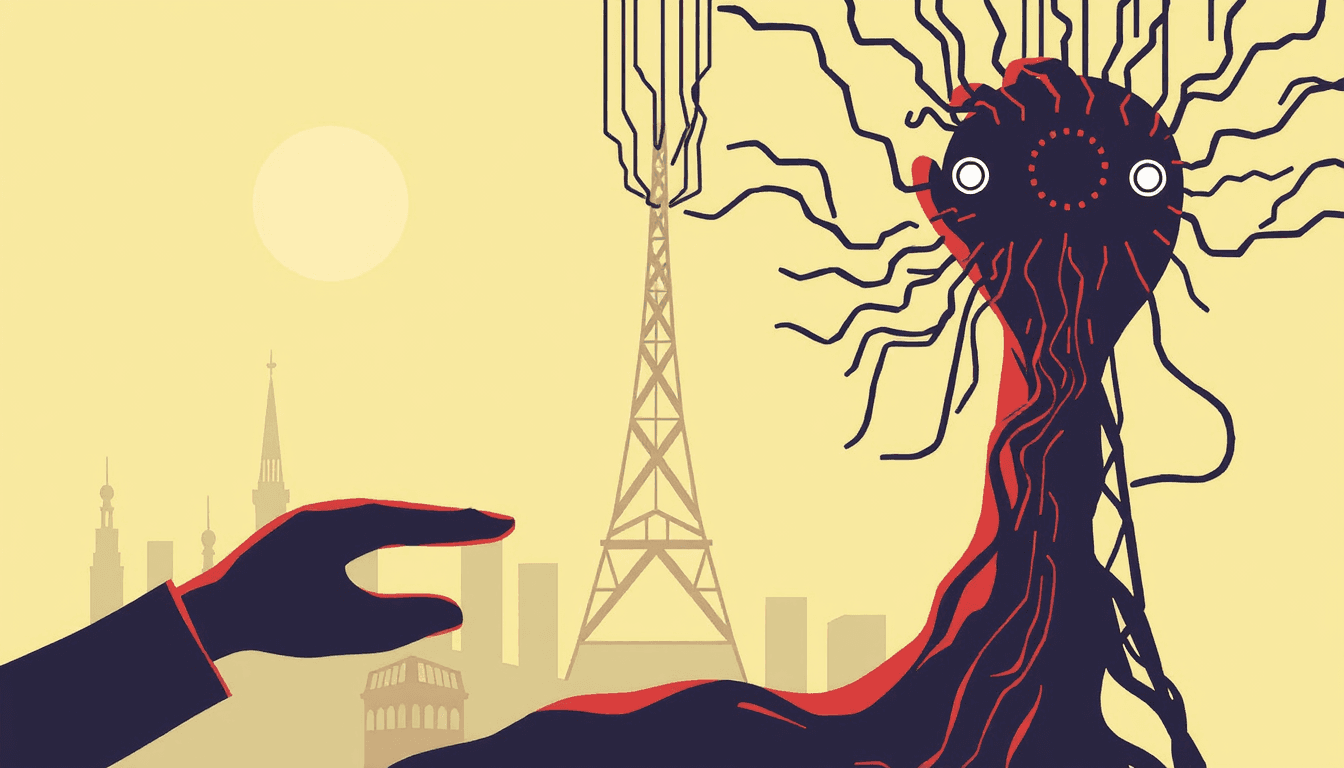
Tensions aren’t problems to solve—they’re levers to calibrate, or they’ll calibrate you.


Previous · Part 5
The Autonomy Paradox: Why Individuals Create Collectives (and Still Struggle to Belong)
Next · Part 7
The Ambition–Contentment Switch: How to Want Without Being Hungry
This builds on Part 5: The Autonomy Paradox: Why Individuals Create Collectives (and Still Struggle to Belong)
Continue with Part 7: The Ambition–Contentment Switch: How to Want Without Being Hungry
The tension that quietly governs everything
Most people think stability is the goal. It feels like calm. It feels like safety.
But stability is only valuable when it preserves something worth preserving. Otherwise, it becomes inertia dressed as wisdom.
What stability really protects
Stability protects the parts of you that need repeatable conditions: craft, relationships, health, taste, and judgment. Without it, you don’t just “lose progress.” You lose the ability to measure progress at all.
Think of stability as a measurement device. It gives you baselines. It creates comparability over time.
The hidden failure mode: stability as identity
The danger is when “stable” becomes a badge. Then adaptation feels like betrayal.
You’ve seen it in organizations: the process is treated as the product. The policy becomes the point. The habit becomes a moral stance.
What adaptation is really for
Adaptation exists for pressure points—constraints that shift under your feet. New information. New environments. New failure modes.
But adaptation without stability is chaotic. You keep changing the plan, but you never change the outcome.
The hidden failure mode: adaptation as escape
The other danger is when adaptation is used to avoid commitment. You update constantly because committing would require tradeoffs.
You’ve seen it in individuals: new goals every quarter, new priorities every week, new frameworks every week—yet the same core problem remains.
The operating question: what must stay constant?
To resolve this tension, stop asking, “Should we be stable or adaptable?”
Ask: What must remain continuous for this to work?
Continue reading with a subscription
Explorer and Immersion subscribers get full access to all premium dispatches, series, and long-form guides.
If this resonates, see how to apply it to your own work with the interactive Dispatch agent.
Be first to like this dispatch