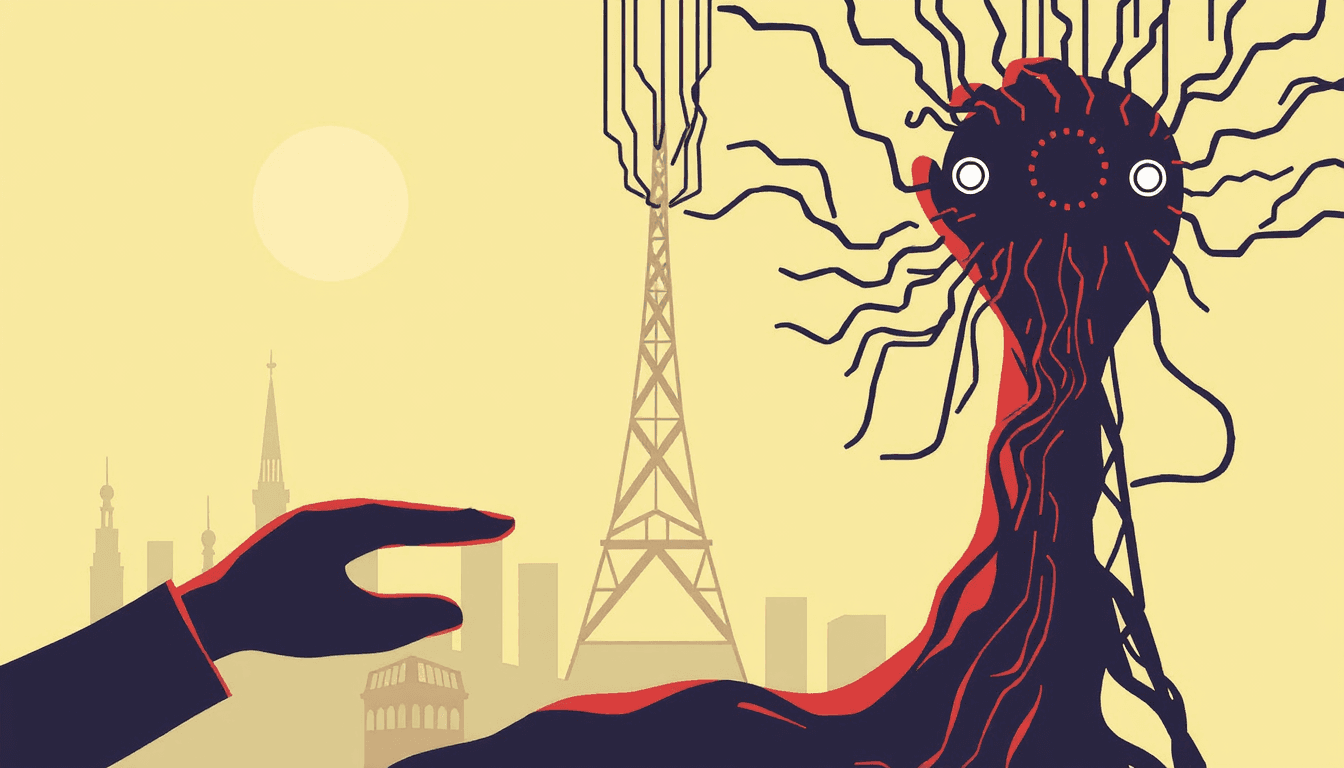
Tensions aren’t problems to solve—they’re levers to calibrate, or they’ll calibrate you.

Next · Part 2
Speed vs Quality: The Tension You Can Design Around
Continue with Part 2: Speed vs Quality: The Tension You Can Design Around
The tension that runs the whole machine
Freedom and security are not enemies. They’re co-dependent levers. Every time you push toward freedom, you reduce predictability. Every time you push toward security, you reduce the range of what’s possible.
That’s the central trade: freedom buys optionality; security buys predictability. And optionality—especially in human systems—always introduces volatility somewhere.
Why the trade feels personal
In everyday life, “freedom” often shows up as control over your time, your choices, your identity, your voice. “Security” shows up as safety, stability, assurance, and protection from worst-case outcomes.
But underneath, they’re both about risk.
- Freedom redistributes risk across time and choice.
- Security concentrates risk into systems, rules, and buffers.
Neither is “risk-free.” They just move it.
Two kinds of volatility
When people say “freedom causes volatility,” they often mean two different things.
1) Forecast volatility
You can’t predict behavior because inputs change. People improvise. Markets shift. Plans get rewritten. The future feels less legible.
This is the “noise” version of freedom.
2) Consequence volatility
You can’t prevent harm because protection is weaker. Mistakes cost more. Bad outcomes become more likely—or more severe.
This is the “tail risk” version of freedom.
Both matter. But they respond to different interventions.
Security creates constraint—by design
Security works by narrowing the set of things that can happen. That narrowing can be wise. It can also become a cage.
Continue reading with a subscription
Explorer and Immersion subscribers get full access to all premium dispatches, series, and long-form guides.
If this resonates, see how to apply it to your own work with the interactive Dispatch agent.
Be first to like this dispatch