Online success isn’t what you say—it’s how attention is earned, timed, and converted across moments.
Previous · Part 6
When Preferences Lie: The Gap Between What People Say and Do
This builds on Part 6: When Preferences Lie: The Gap Between What People Say and Do
Timing Changes Everything
The internet doesn’t just deliver content. It waits for it.
And the moment you publish—down to the hour, the day, the sequence, the surrounding context—silently shapes what people believe the content is for. Timing is meaning. It tells your reader: this is urgent, this is relevant, this is safe to ignore, this is for you.
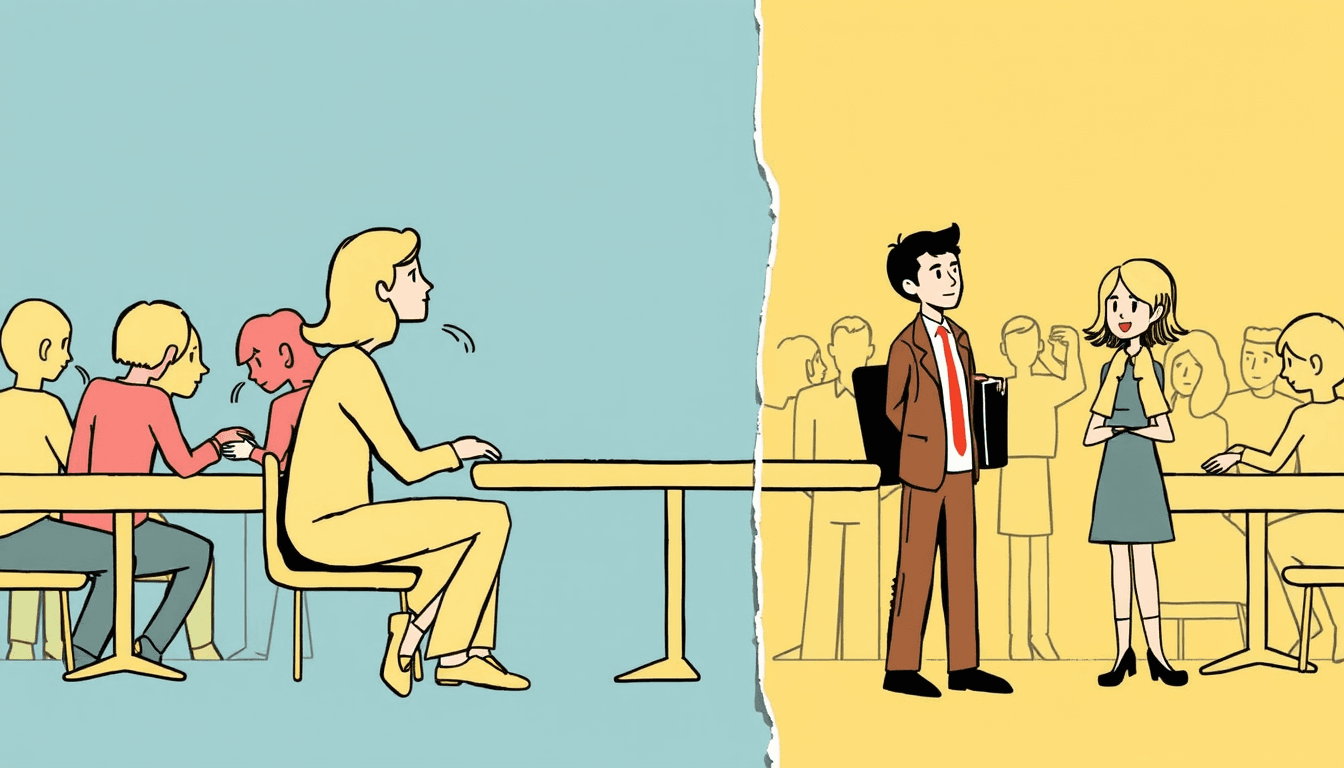
The same message, different gravity
Imagine identical posts dropped into different moments:
- A product update posted when your audience is comparing options.
- The same update posted when they’re just trying to get through their commute.
- A thoughtful essay released right after a viral controversy.
- The same essay released on a quiet day when no one is actively seeking depth.
The message didn’t change. The audience state did.
That’s the core shift for this part of Digital Behaviour: appearance matters as much as content—because readers don’t meet your work with neutral attention. They arrive already loaded with intent, mood, and context.
Timing isn’t one thing—it’s a stack
When content appears, it’s influenced by multiple clocks at once:
-
Distribution clock
Where the platform sends attention next (feeds, recency ranking, email opens, algorithmic boosts). -
Audience clock
What people are likely doing right now (planning, browsing, consuming, winding down). -
Topic clock
What’s currently “alive” in the culture of your niche (debates, launches, seasonal patterns). -
Your brand clock
Whether your audience expects you then—or forgets you existed until later.
Your content competes not only with other posts. It competes with the reader’s immediate priorities.
Context creates interpretation (and interpretation creates action)
A post’s meaning is often inferred from its surroundings.
If your content appears during a decision window, it reads like guidance. During a distraction window, it reads like noise. After a related event, it reads like commentary. Before the event, it reads like preparation.
That interpretive shift changes the next step:
- click vs scroll
- save vs forget
- trust vs skepticism
- respond vs passive consumption
The “recency halo” and the “stale shadow”
Platforms reward freshness, but not in a simple way. There’s a recency effect—people assume “recent” is “current,” “relevant,” and “worth attention.”
There’s also a stale effect—people assume “old” is “out of date,” “less true,” or “not connected to now.”
So the question becomes less “Is this good?” and more “Is this timely enough to be believed?”
Sequence beats singularity
Even if timing alone isn’t enough, sequence usually is.
If your audience sees:
- a promise, then
- the reasoning, then
- the proof, then
- the ask,
you get a coherent interpretation arc. If they encounter the proof before the promise, you get confusion. If they encounter the ask before the reasoning, you get resistance.
So timing isn’t just when you publish—it’s how your content lands across days, not minutes.
Where to apply this immediately
You don’t need a content calendar overhaul. You need targeted timing decisions—small, testable, measurable.
Practical timing levers
- Day-of-week alignment: match your audience’s rhythms (work planning vs weekend curiosity).
- Time-of-day positioning: distinguish between “active intent” and “passive consumption.”
- Event adjacency: publish near moments when your topic is naturally in people’s heads.
- Update cadence: if something changes, schedule re-appearance so the stale shadow never wins.
- Staggered series drops: don’t rely on a single post to do all the persuasion.
A small experiment you can run this week
The mindset shift: timing is editorial strategy
If you’re used to thinking like a writer, timing can feel superficial. But editorially, timing is discipline.
It’s how you respect the reader’s moment:
- When they’re ready to decide, you show your work.
- When they’re ready to reflect, you invite depth.
- When they’re overwhelmed, you reduce friction.
- When they’re curious, you give them an entry point.
The content becomes less like a message thrown into the world—and more like an answer waiting in the right place.
Final Takeaway Checklist
If this resonates, see how to apply it to your own work with the interactive Dispatch agent.
Be first to like this dispatch