The most transformative changes are often silent, incremental, and systemic—not loud or sudden.
Next · Part 2
Whispered Wisdom
Continue with Part 2: Whispered Wisdom
We celebrate the lightning strike.
The eureka moment. The sudden breakthrough. The overnight success that wasn't. We tell stories about sparks because they're dramatic—because they fit neatly into a headline or a biography's climax.
But the true engines of change are more often found in the embers that glow for a lifetime before igniting a world.
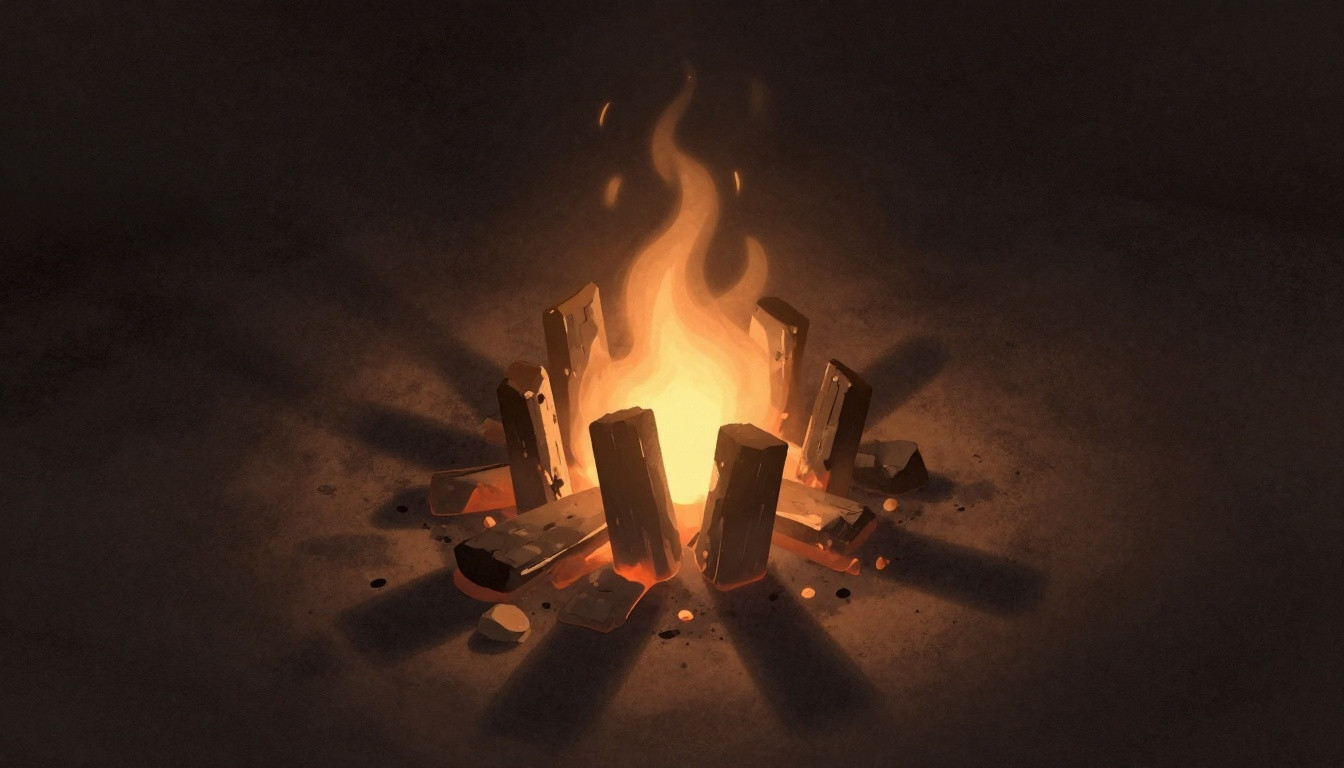
This is the story of the slow burn.
The Century Before the Press
Johannes Gutenberg's movable type system, often framed as a sudden invention, was nothing of the sort. It was the culmination of a century-long convergence—materials, techniques, and concepts that had been simmering separately, across continents, long before anyone thought to combine them.
Papermaking migrated from China to Europe over four hundred years. The metallurgy for durable, castable type required generations of metalworking knowledge. The screw press itself was borrowed from wine and olive production—farmyard machinery repurposed to reshape civilization.
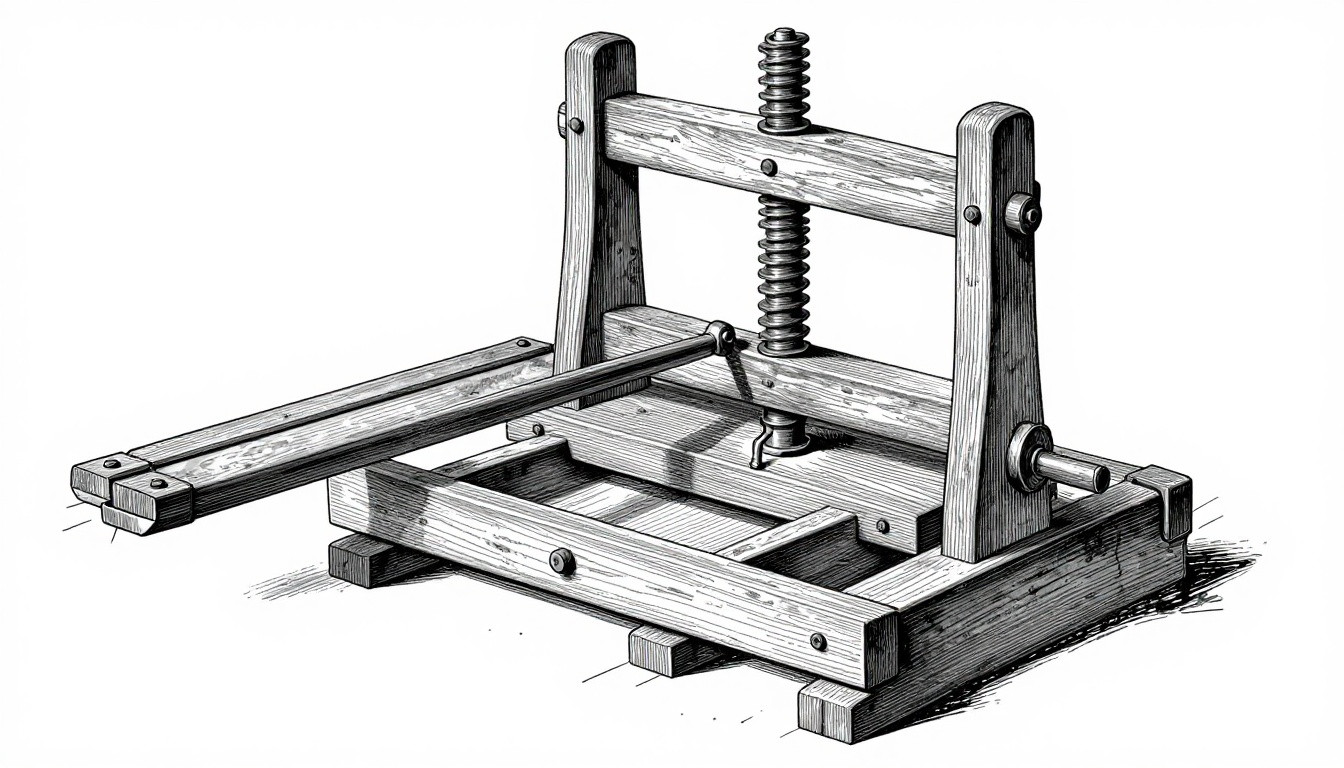
When Gutenberg fused these simmering elements around 1440, he didn't invent from nothing. He orchestrated.
Cai Lun refines papermaking in Han Dynasty China
Paper mills appear in Spain, knowledge spreading westward
European metalworking advances; guilds refine casting techniques
Screw presses common in Rhineland agriculture
Gutenberg integrates paper, metal type, and press mechanics
The Gutenberg Bible printed; the revolution becomes visible
The revolution it unleashed—democratizing knowledge, fuelling the Reformation, enabling the Scientific Revolution—was the harvest of a long, patient season. Not a spark. A conflagration fed by centuries of quiet fuel...the slow, unglamorous work of building power stations, stringing wires across continents, standardizing voltages, and embedding this new force into the very architecture of daily life. The spark was the story; the grid was the revolution.
The Current Beneath the Current
Electricity followed a similar, if more documented, arc.
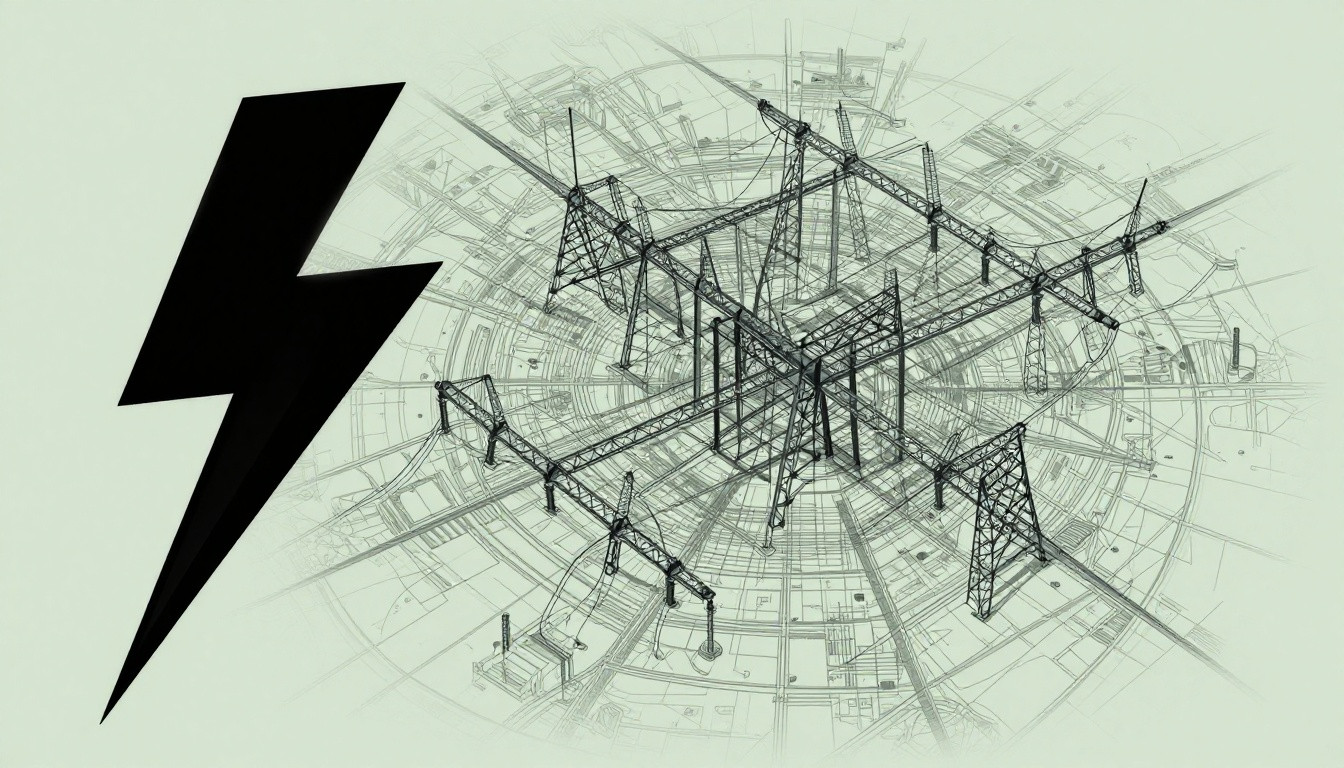
Benjamin Franklin's famous 1752 kite experiment was a dramatic demonstration—a good story. But the practical, world-altering power grid was a slow burn spanning over a century after that single bolt.
Michael Faraday's foundational work on electromagnetism in the 1830s provided the principles. Then came the public spectacle: Edison and Tesla's "War of Currents" in the 1880s makes for excellent documentary television.
But the real work wasn't the spectacle. The real work was decades of incremental, unglamorous engineering.
The light bulb was a symbol. The true innovation was the patient, persistent construction of the system that made it useful—poles, transformers, meters, wiring codes, the vast invisible infrastructure we never think about until it fails.
Diagram: A leads to Incremental Engineering<br/>dynamos, insulation, wiring; Incremental Engineering<br/>dynamos, insulation, wiring leads to Standards & Infrastructure<br/>voltages, grids, safety codes; Standards & Infrastructure<br/>voltages, grids, safety codes leads to Systemic Transformation<br/>homes, factories, cities.
Diagram: A leads to Incremental Engineering<br/>dynamos, insulation, wiring; Incremental Engineering<br/>dynamos, insulation, wiring leads to Standards & Infrastructure<br/>voltages, grids, safety codes; Standards & Infrastructure<br/>voltages, grids, safety codes leads to Systemic Transformation<br/>homes, factories, cities.
The Pattern Beneath the Stories
Once you see the slow burn, you start seeing it everywhere. And that recognition itself becomes a tool—a way of reading the world differently.
Slow Burn Convergence
- ·The printing press (paper + metallurgy + press mechanics)
- ·Electricity (physics + engineering + infrastructure)
- ·The internet (packet switching + computing + telecoms)
- ·mRNA vaccines (decades of molecular biology + lipid nanoparticle research)
You're evaluating whether something is a genuine inflection point—or just a spark looking for fuel.
The most transformative forces in history are slow burns, not sparks.
Breakthroughs require the convergence of multiple independently developed systems, materials, and ideas—which takes decades or centuries of quiet, parallel work.
- —The printing press synthesised 400 years of papermaking, metallurgy, and mechanical engineering
- —Practical electricity required a century of physics, materials science, and infrastructure building
- —The pattern repeats across every major technological revolution
Dismissing anything that doesn't show immediate, dramatic results means dismissing the very process that produces lasting change.
Tending the Embers
These stories teach a vital counter-narrative to our age of disruption fetishism. They remind us that the most transformative forces are often those that build slowly, gaining strength and complexity in the quiet.
The printing press required the slow burn of craftsmanship and material science. Electricity demanded the slow burn of theoretical physics and industrial engineering. In both cases, the visible revolution was the final chapter of a very long book—not page one.
The lesson is not one of passive waiting. It's the opposite. It is the work of tending the embers—of refining the prototype, of building the unglamorous infrastructure, of doing the work that has no audience yet. It is the faith that a deep, steady heat will ultimately prove more powerful than a fleeting spark.

What to Watch For
Where in your own work or life is something simmering that you've been impatient with?
Think about a project, idea, or skill that's been developing slowly — maybe frustratingly so. What would it look like to treat that slowness as a feature, not a flaw?
If this resonates, see how to apply it to your own work with the interactive Dispatch agent.
Be first to like this dispatch