Digital Behaviour
Digital Behaviour unifies seven dispatches on how attention actually moves on screens—from the first glance to the last click. Together, these pieces treat online communication as a sequence of earned moments shaped by context, friction, and timing, not a simple matter of “more content.” The result is practical guidance for designing clarity, trust, and next steps that fit real behavior.
Online success isn’t what you say—it’s how attention is earned, timed, and converted across moments.
These dispatches align with a wider Pen & Muse archive on writing and design for real-world behavior.
Series Structure
The series unfolds in phases. Read in order to feel the system tighten and pay off.

In This Series
Best read in order. Each phase sharpens the one before it.
Scan-native foundations
Establish how attention works on screens—first through scan cues and then through passive “drift,” setting up design for fast relevance and earned contact.
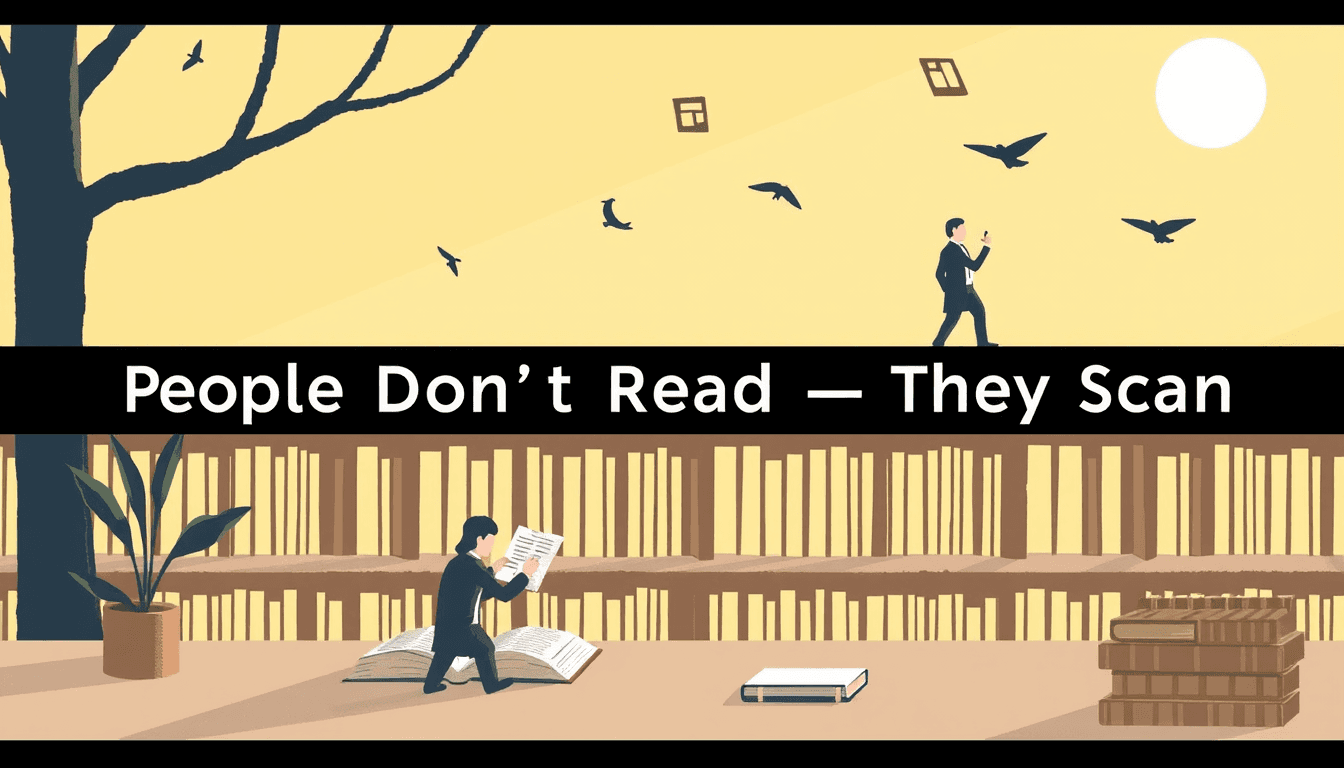
People Don’t Read — They Scan: Designing for Digital Attention
On screens, readers aren’t processing word-by-word—they’re hunting for cues. Learn how to design scan-native structure so your message is clear, useful, and leads to action.

The Scroll Is the Default State: Designing for Passive Engagement
The Scroll Is the Default State Most online engagement isn’t chosen. It’s caught. People are not entering your page with a deliberate reading plan. They’re already in motion—scroll…
Quiet influence and sharing
Reframe audience signals beyond loud engagement, showing how lurkers and sharers shape outcomes via trust, context, and identity fit.
The Quiet Majority: How Lurkers Drive Everything
Lurkers Drive Everything Most people don’t engage. Not because they don’t care. Not because they’re hostile. They simply aren’t in the habit of acting. They consume in the backgrou…
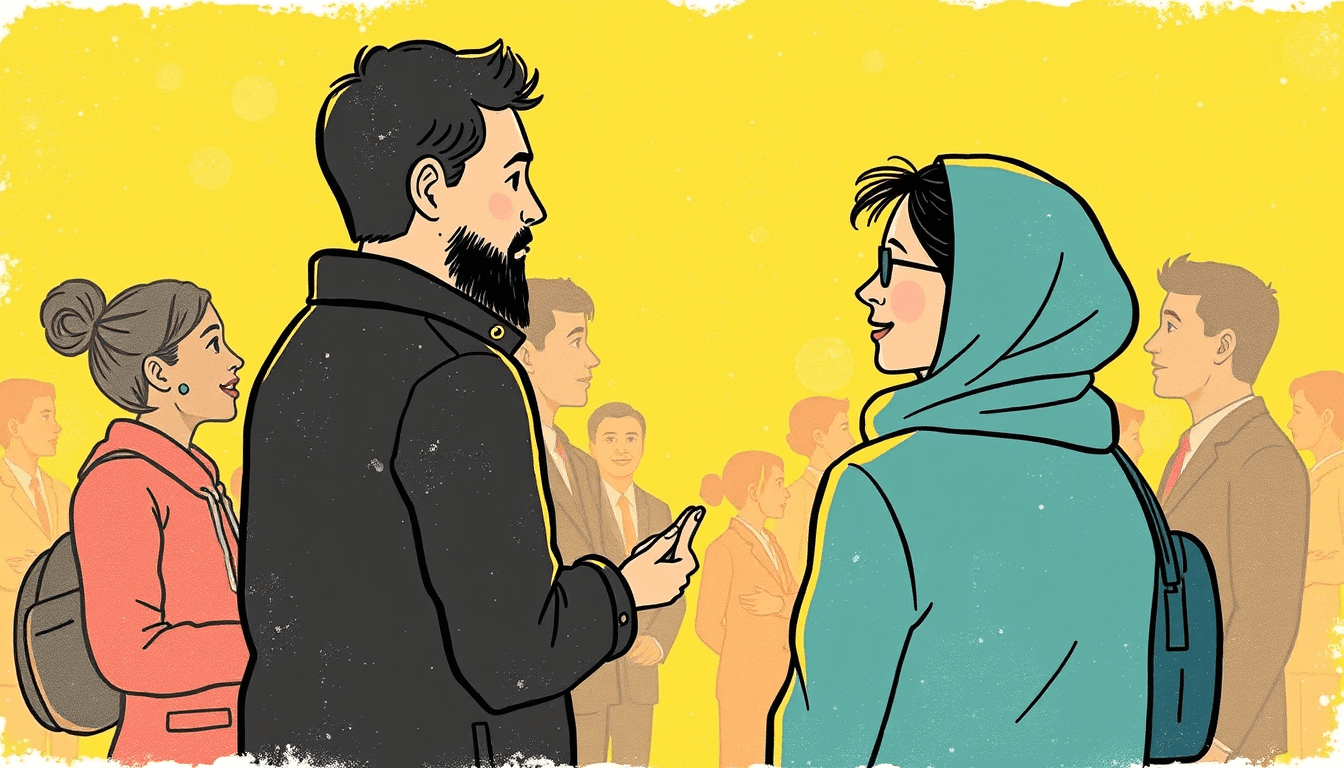
Sharing as Identity Signalling: The Person People Are Trying to Become
Sharing Is Identity Signalling People don’t just post—they perform. Not in a cartoonish way. In a precise, social, psychological way. When someone shares content, they’re communica…
Earn attention step-by-step
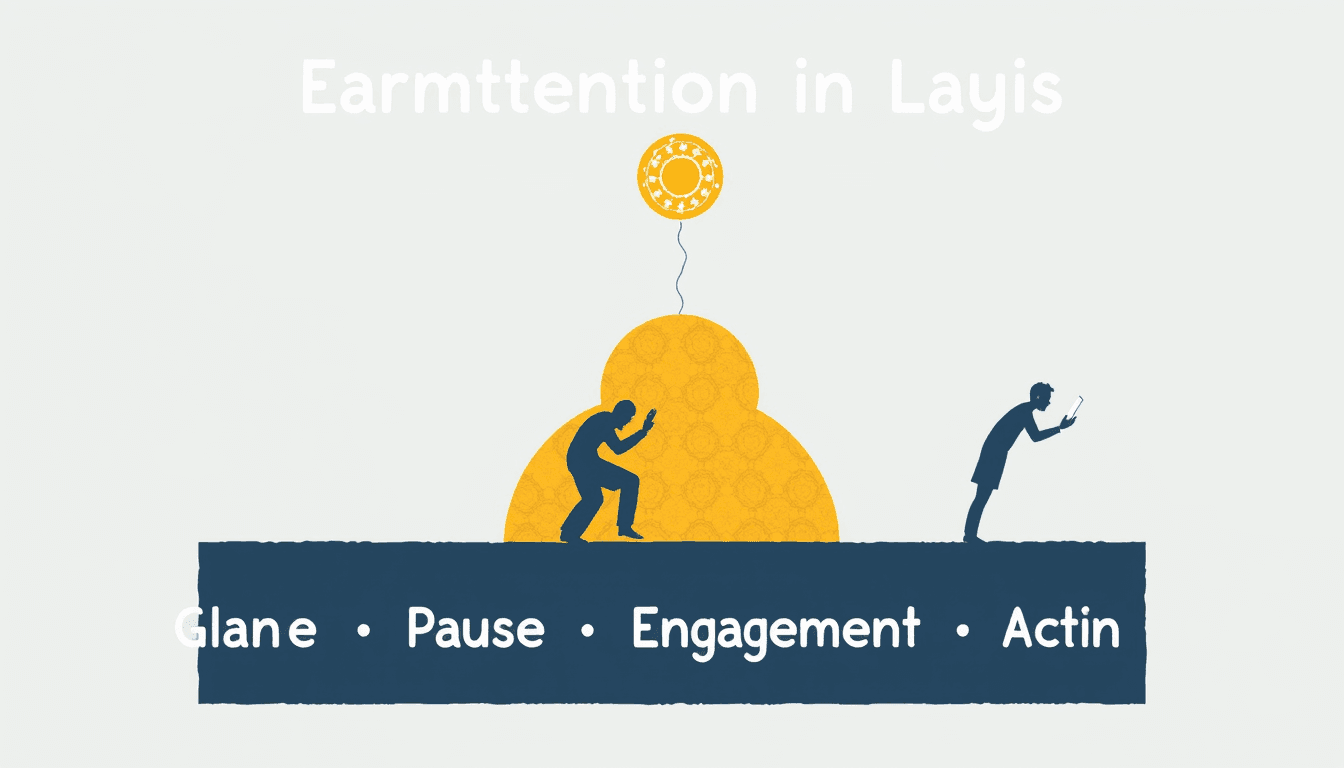
Consolidate the ideas into a practical attention ladder (Glance → Pause → Engagement → Action) so each page stage funds the next.
From intent to behavior
Shift from messaging mechanics to behavioral truth by explaining why preferences diverge from actions and how timing changes interpretation and conversion windows.
When Preferences Lie: The Gap Between What People Say and Do
The gap between what people say and do Stated preferences are the cleanest data people can give you. They’re also the easiest data to misunderstand. A person can sincerely want “qu…
Timing Changes Everything: Why “When” Outperforms “What”
Timing Changes Everything The internet doesn’t just deliver content. It waits for it. And the moment you publish—down to the hour, the day, the sequence, the surrounding context—si…