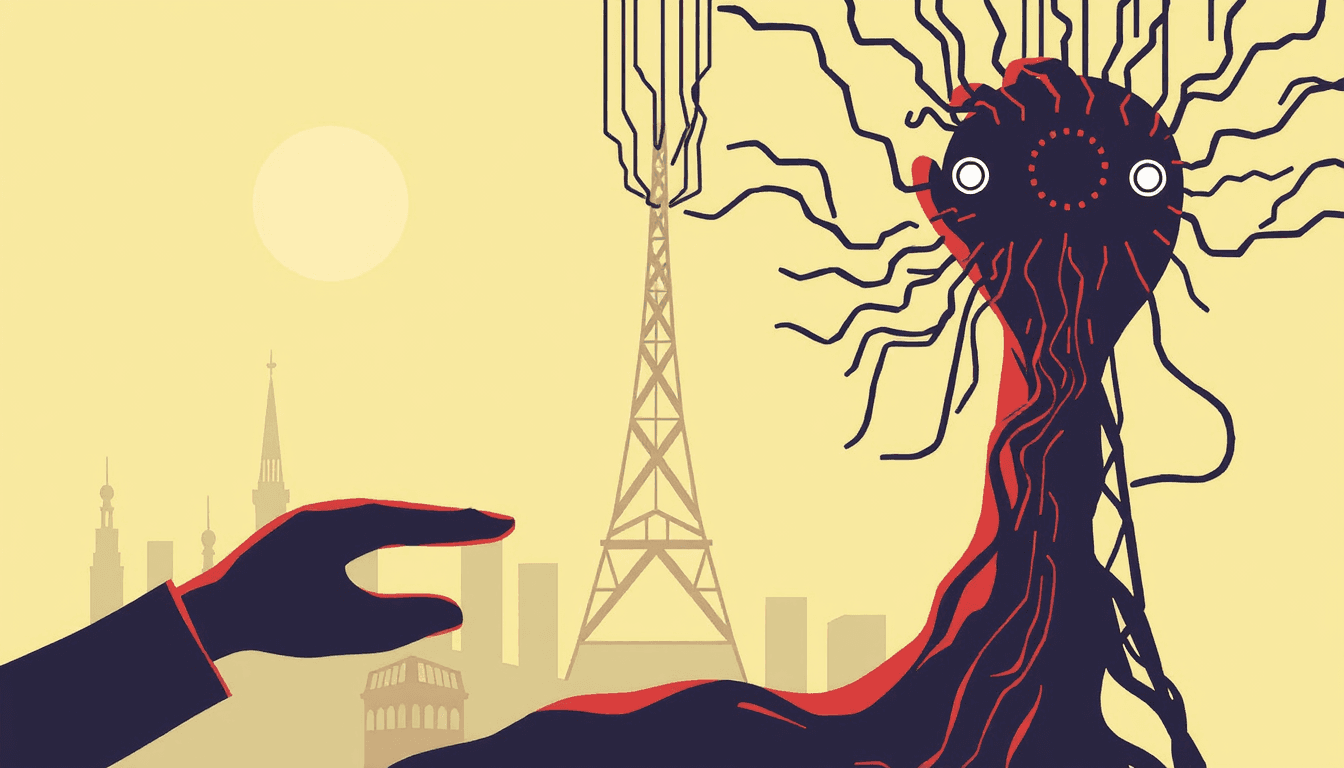
Your identity is the byproduct of evidence you repeatedly make true.


Previous · Part 1
You Are What You Repeat — Identity as Built Behavior
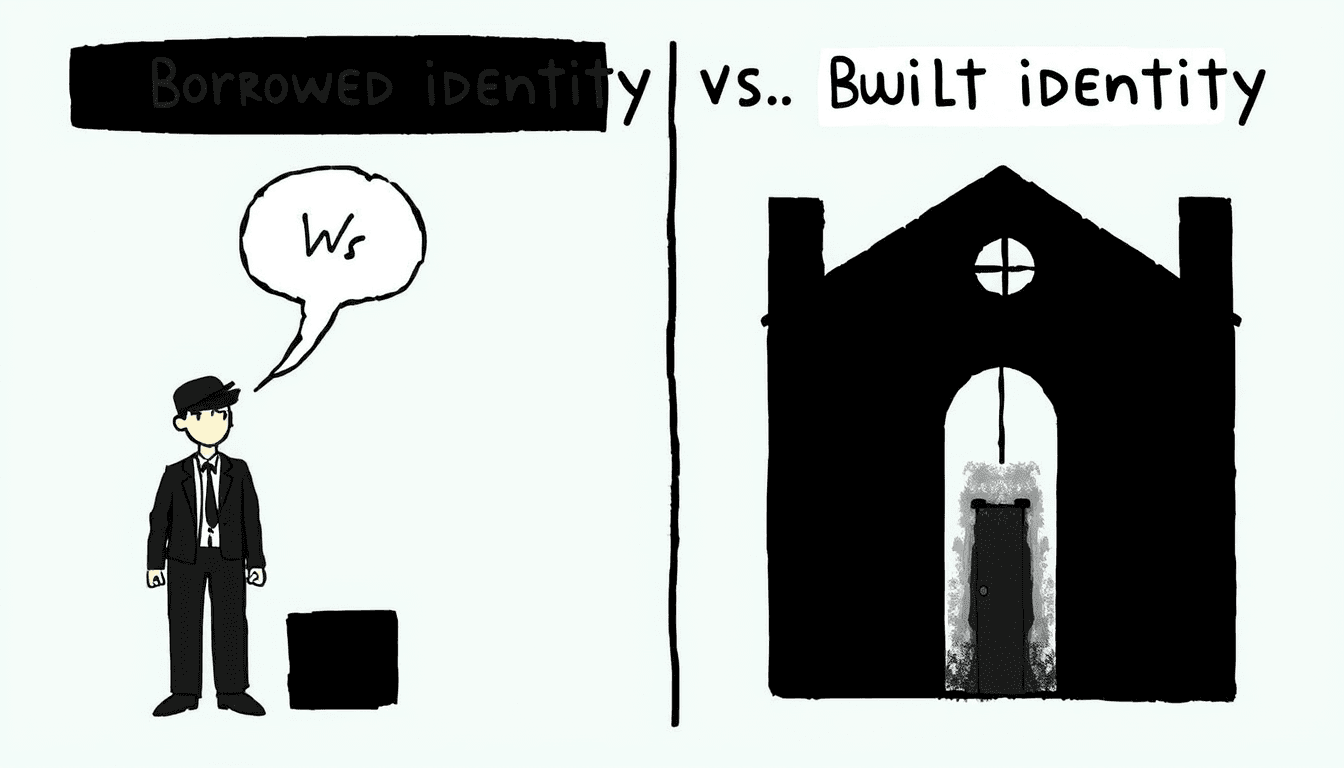
Next · Part 3
Borrowed Identity vs Built Identity: When Traits Become Habits
This builds on Part 1: You Are What You Repeat — Identity as Built Behavior
Continue with Part 3: Borrowed Identity vs Built Identity: When Traits Become Habits
The lag between action and identity
You know what you should do. You do it.
And still—something inside you insists you’re not that person yet.
That feeling isn’t brokenness. It’s a predictable stage in how identity gets built. Not instantly. Not all at once. It arrives the way trust does: through repeated, legible evidence—then only later does it feel true.
The “later” in “becoming”
Identity is not only the sum of your behaviors.
It’s also the story your mind uses to explain them—internally, emotionally, consistently. That story takes time to update, especially when the new you is still rare.
Think of it like software deployment. You can release the new version (your behavior), but the user interface (your sense of self) won’t smoothly reflect it until enough runs have occurred without errors.
Why the new you feels foreign
There are at least three sources of friction.
First: habit latency. Even if you can perform the behavior, your body hasn’t made it “default.”
Second: narrative inertia. Your mind is loyal to the version of you it knows how to predict. New actions feel like exceptions until they become patterns.
Third: safety calibration. Identity is partly about what you expect to be safe doing. When you act outside your current identity, your system checks for threat—even if the behavior is objectively good.
The mismatch: competent actions, incoherent feelings
Here’s the trap: you judge identity by how you feel during the transformation, not by what your behavior is reliably creating.
So you interpret the temporary mismatch as proof the change isn’t real.
But early on, most change is visible in outcomes first—then emotions catch up.
You may:
- execute the plan perfectly and still feel uncertain,
- keep promises and still doubt your worth,
- show discipline and still feel unqualified.
That’s not contradiction. That’s the lag.
Identity lag as a feature of reality
The lag has an upside: it prevents you from becoming reckless.
If your feelings updated instantly, you could “feel like a new person” before you’ve actually built a stable pattern. You’d be vulnerable to the charisma of your own story.
Instead, the system demands evidence. The discomfort is the price of honesty.
In other words: the lag is how your psyche protects you from self-deception while it updates.
What to do with the lag (without needing to “feel it”)
You don’t have to wait for a warm, convincing inner signal to keep going. You can design your process so that the lag becomes tolerable—and even useful.
Use lag-aware language:
- “I’m practicing the person I want to be.”
- “My identity is catching up.”
- “Evidence first. Belief later.”
Then measure what matters:
- Are your behaviors happening without heavy negotiation?
- Are you recovering faster after lapses?
- Are your new choices becoming easier to initiate?
Tabs: how lag shows up for different people
You fixate on the internal logic: “If I’m doing it, why don’t I feel like I believe it?”
You need proof by pattern—so run longer experiments, not shorter debates with yourself.
A simple reframe that changes everything
Instead of asking, “Why don’t I feel like them yet?” ask:
“What evidence am I currently creating for the identity that will feel natural later?”
That question turns the lag from a personal indictment into a temporary phase of construction.
Before / after: how your interpretation shifts
“My actions aren’t matching my feelings, so I must be lying to myself.”
“My feelings are late to the party. My job is to keep showing up until they arrive.”
Where exactly does “I don’t feel like them yet” show up for you?
Name the behavior you’re already doing—and the identity story you keep trying (and failing) to believe in real time.
Practical takeaway
If you’re acting your way into a new identity but still don’t feel it, that’s not evidence against the change. It’s evidence that the change is working—your self-concept just hasn’t updated yet. Keep running the experiment. Let belief catch up.
If this resonates, see how to apply it to your own work with the interactive Dispatch agent.
Be first to like this dispatch