
Next · Part 2
Everything Has Been Said. Now What?
Continue with Part 2: Everything Has Been Said. Now What?
There’s a subtle shift happening that’s hard to name.
Nothing looks obviously broken. Everything still works. Content is sharper. People are more articulate. Ideas are everywhere.
And yet—something feels off.
Not fake in an obvious way. Not dishonest in a clear way. Just… slightly unreal.
When everything reads like it’s already finished
You scroll, and everything feels complete.
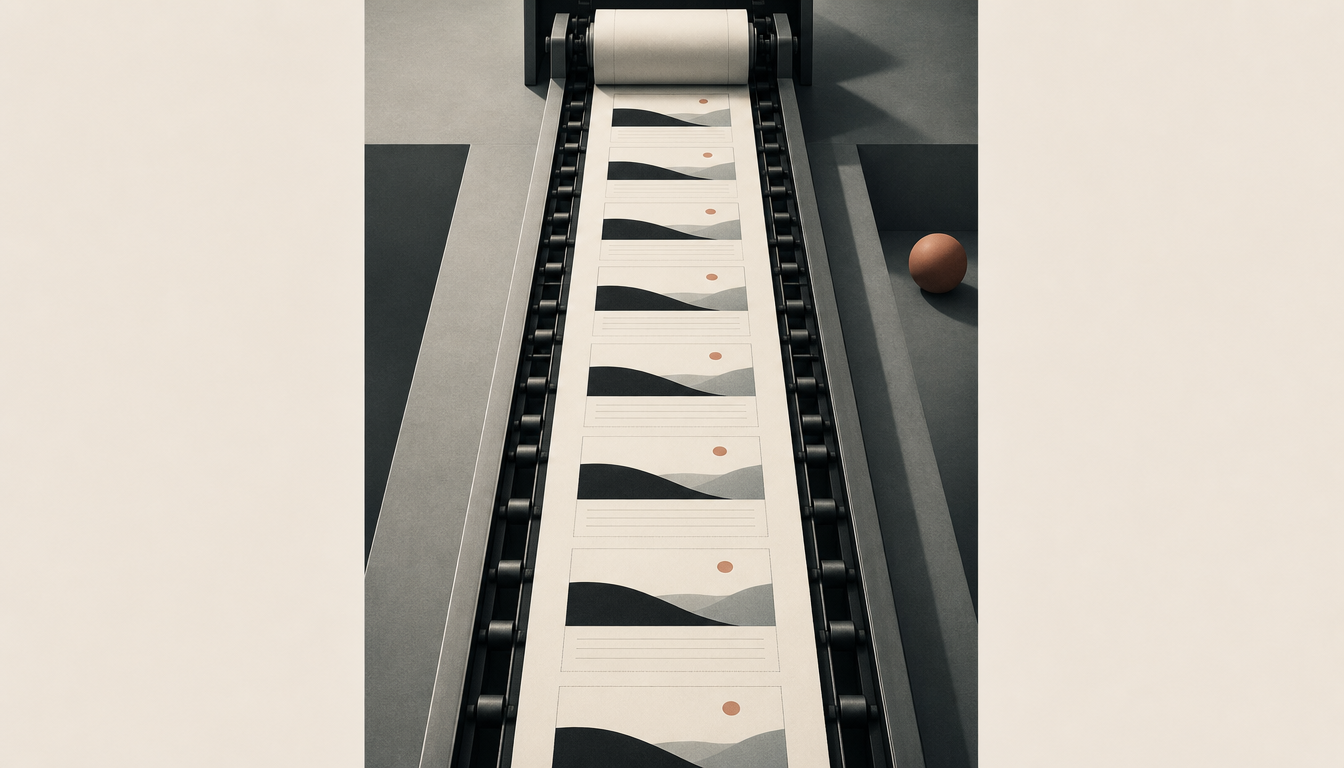
Every post is well-structured. Every opinion is neatly packaged. Every insight lands cleanly.
Too cleanly.
There’s less hesitation. Less rough thinking. Less evidence of someone actually figuring something out in real time.
Not because people aren’t thinking.
It’s because you’re no longer seeing the thinking.
You’re seeing the output of thinking.

The new problem: provenance disappears
There’s another unease creeping in: you don’t know where the output came from.
Was it written slowly, over time? Shaped by experience? Stress-tested in the messy world?
Or was it assisted, refined, generated?
You can’t tell anymore.
And it’s not that anything is wrong—at least, not in a moral or factual sense.
It’s that everything is polished enough to look the same.
What used to function as a signal
There used to be friction in ideas.
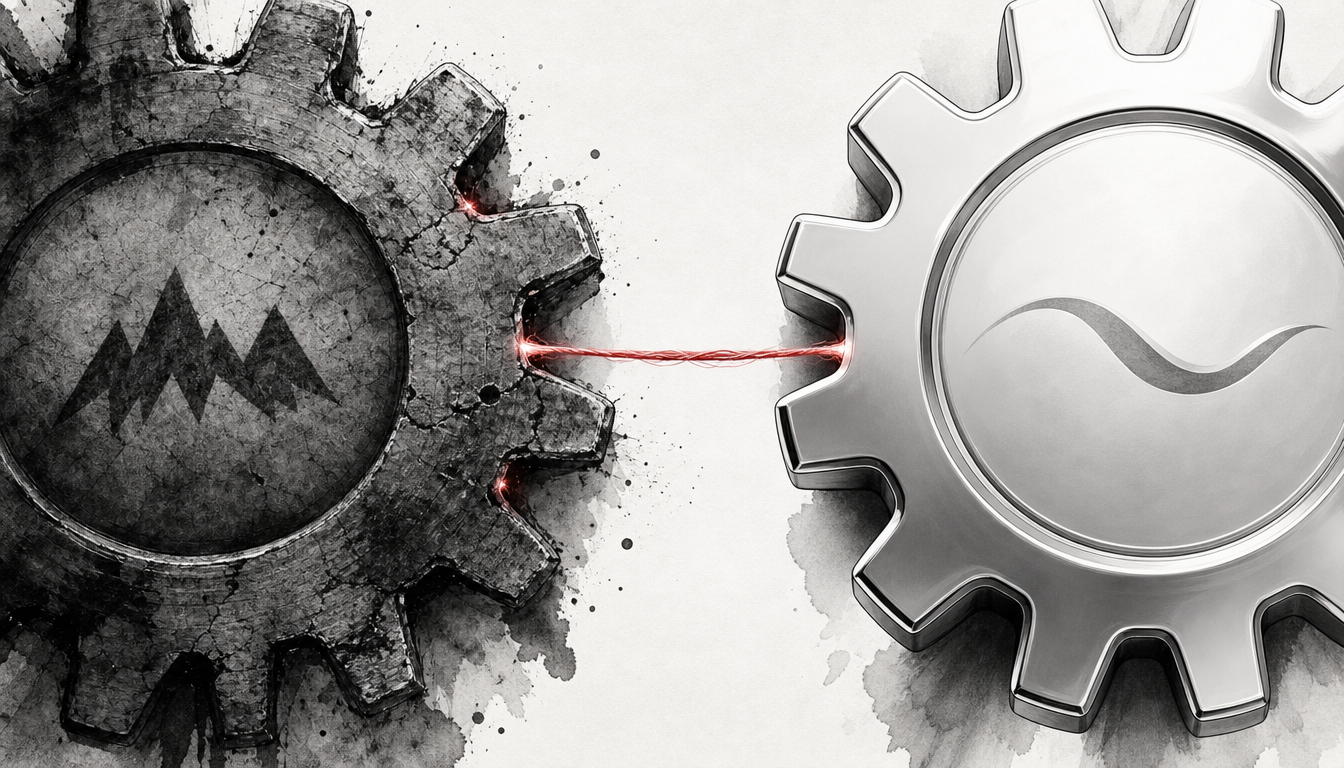
You could feel when something was half-formed. You could see where someone struggled to express it. You could tell when a thought had edges.
That friction acted like a signal. It told you: this is being built in public. It gave you something to trust because you could see the shaping.
Now it’s gone.
Fluency without friction
What replaced it is fluency.
Endless, effortless fluency.
And fluency—when it arrives without friction—is hard to trust. Not because it’s false. But because it stops giving you the cues your mind uses to calibrate reality.
Your brain’s quiet defense
So your mind does something subtle.
It doesn’t reject what it sees. It doesn’t fully believe it either.
It just holds it at a distance.
That distance is new. And it shows up everywhere.
In writing. In conversations. In people presenting themselves.
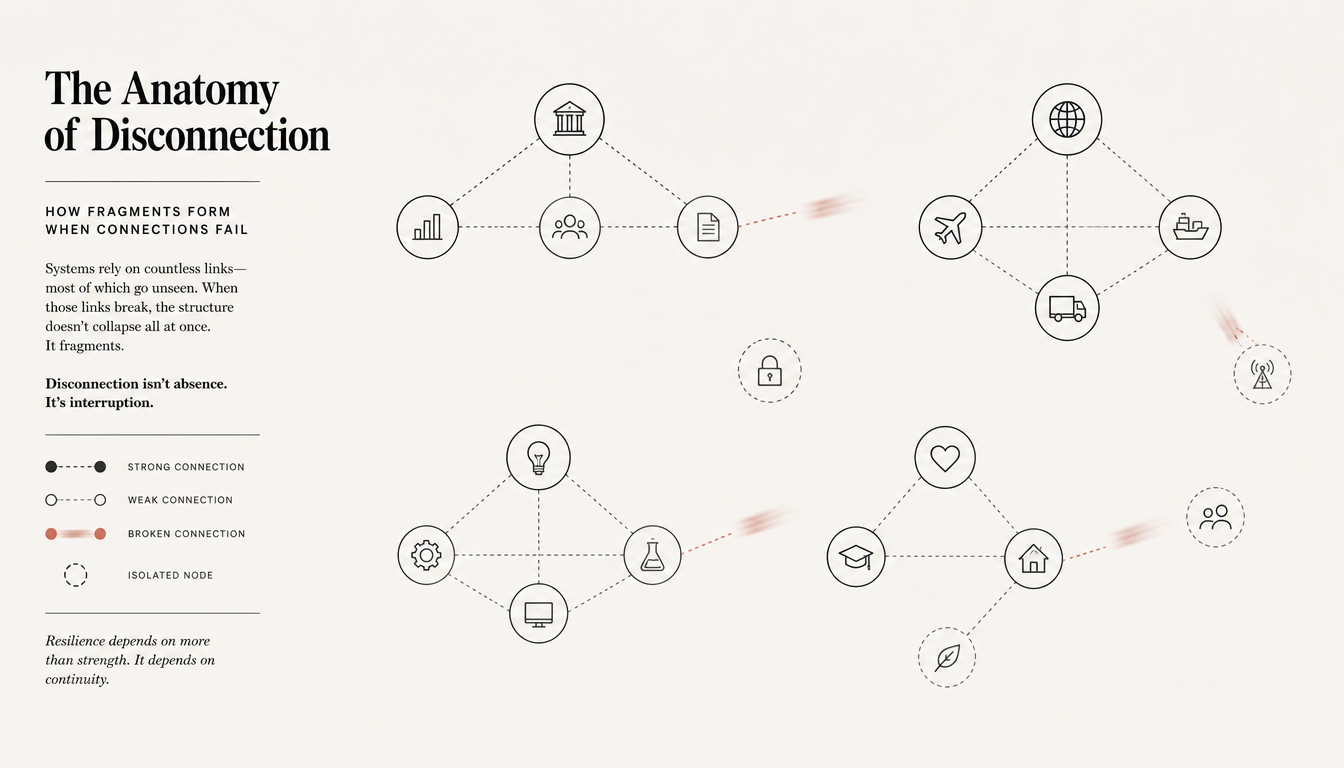
Everything feels coherent. But not always connected.
And no—this isn’t only about deception
The strange part is this isn’t primarily about people trying to mislead you.
Most people aren’t sitting down with a villain plan.
They’re operating in an environment where:
- tools smooth everything out
- platforms reward polish
- rough edges quietly disappear
So what you’re left with is harder to define.
Not fake. Not real.
Just… frictionless.
Consumption gets easier; trust gets harder
Frictionless things are easy to consume.

They flow. They land. They feel competent.
But they’re harder to believe—because belief isn’t only about correctness.
It’s also about origin.
When you can’t feel the seams, you can’t locate the hands that built it.

A better way to read what’s fluent
Instead of treating polish as a verdict, treat it as a missing variable.
You can’t always recover provenance—but you can look for the places where friction still survives:
- Where does the claim meet a counterexample?
- What would change their mind?
- What did they learn the hard way?
- What are they intentionally not saying?
If an idea can answer those questions, it doesn’t need to look messy to be trustworthy.
If it can’t, the problem isn’t your skepticism.
It’s that the signal is missing.
If this resonates, see how to apply it to your own work with the interactive Dispatch agent.
Be first to like this dispatch