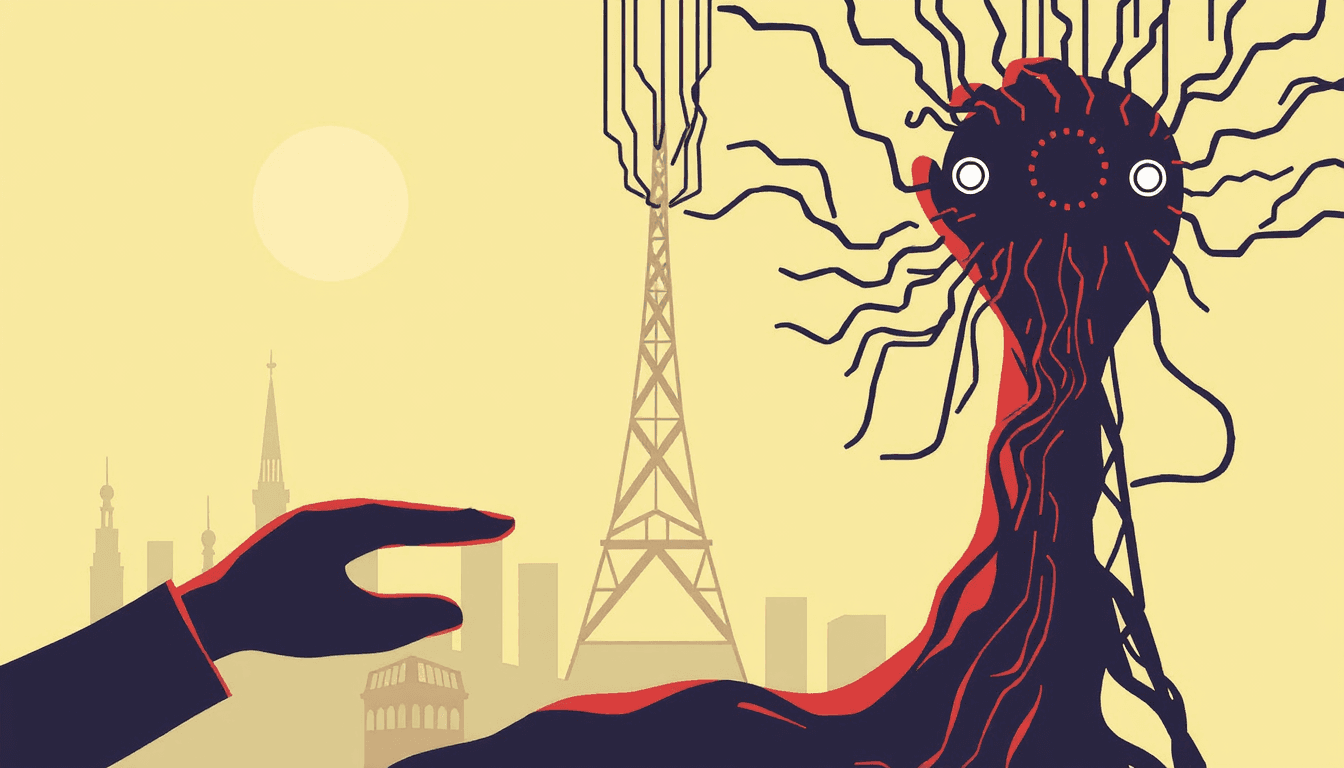
Your mind doesn’t just see reality—it edits it, then calls the result evidence.


Previous · Part 11
The Bystander Effect: Why Presence Silences Urgency

Next · Part 13
Status Signalling: Why We Perform Worth, Not Just Produce Results
This builds on Part 11: The Bystander Effect: Why Presence Silences Urgency
Continue with Part 13: Status Signalling: Why We Perform Worth, Not Just Produce Results
Scarcity Principle
Scarcity doesn’t just make things harder to get. It changes the meaning of the thing you’re looking at—quietly, instantly, and often against your better judgment.
Limited availability signals stakes. It tells your brain: “This matters. Act before it slips away.” And because your mind hates spending effort on things that won’t pay off, it starts treating scarcity as a proxy for value.
What scarcity really does to your mind
When something is limited, you’re not only choosing between options. You’re also managing a fear: missing out.
That fear creates pressure in three directions:
- Priority shifts. The item climbs your mental to-do list.
- Evaluation narrows. You compare less deeply; you decide faster.
- Alternatives dim. Other options feel less urgent by contrast.
The availability of “maybe” becomes “now”
In an unlimited world, you can postpone decisions without much pain. Unlimited availability converts “I might want this” into “I’ll consider it later.”
Scarcity breaks that comfort. It changes “later” into “maybe never.” So your mind starts treating the present moment as the only safe time to choose.
That’s why scarcity can feel powerful even when you know the limitation is artificial.
Scarcity is especially persuasive under uncertainty
Scarcity’s impact grows when you don’t have strong information about quality.
If you can’t reliably judge the product—taste, craft, fit, long-term usefulness—your brain looks for shortcuts. “Limited” becomes one of those shortcuts.
This is where scarcity often hides inside marketing. It doesn’t have to prove quality. It only has to make you feel that quality won’t be available long enough for you to check.
Common scarcity tactics (and what they’re designed to trigger)
Here are the most common forms you’ll see—and the psychological pressure each one applies:
- Time-limited offers
Triggers urgency: “Decision now or lose access.” - Quantity-limited releases
Triggers competitiveness: “Someone else will take it.” - Only a few left
Triggers scarcity panic: “It’s already escaping.” - Waitlists / drops
Triggers social proof-by-proxy: “People want this badly enough to wait.” - Bundled scarcity (limited edition + bonus)
Triggers relief and momentum: “Don’t miss the whole package.” - Unclear scarcity (no real supply details)
Triggers obedience: “If they claim it, it must be true enough to act.”
How to think like a skeptic (without killing the pleasure)
Skepticism isn’t cynicism. It’s a way to keep your decisions attached to reality.
Scarcity-aware decision filter
Use this before you buy, book, sign, or commit.
A quick mental reframe: scarcity as a question, not an answer
Instead of treating “limited” as evidence of value, treat it as a question worth interrogating:
- Limited because demand is real—or because supply is staged?
- Limited in a way you can verify—or limited in a way that disappears the moment you ask?
- Limited that changes quality—or limited that only changes urgency?
When scarcity backfires
Scarcity can work—right up until it doesn’t.
If scarcity feels repeated, fake, or manipulative, your brain learns to resist. You start waiting for the next “final chance,” and you discount the message before it lands.
Also, scarcity can induce regret. When choices are rushed, you may purchase based on urgency rather than fit. Later, the mind tries to correct the story, and dissonance appears.
Apply it: Use scarcity ethically (for yourself and others)
Scarcity isn’t only something to defend against. It’s also a design tool.
If you use it responsibly, it can help people prioritize what’s truly time-bound, scarce, or effort-intensive. But if you use it carelessly, you train distrust.
Final takeaway
Scarcity increases perceived value by compressing time, narrowing evaluation, and turning “wanting” into “acting.” Your job isn’t to ignore scarcity—it’s to prevent it from becoming your substitute for evidence.
If this resonates, see how to apply it to your own work with the interactive Dispatch agent.
Be first to like this dispatch