
The Great Ideas Series II : Human Behaviour & Perception
Volume II unites fifteen dispatches on how human perception and decision-making quietly steer what we notice, trust, and feel “sure” about. Across biases, social cues, and emotion, the throughline is the same: our minds use efficient shortcuts that can become reliable—then slip into systematic error. Understanding that mechanism matters because it turns certainty into something we can test, update, and live with more clearly.
Your mind doesn’t just see reality—it edits it, then calls the result evidence.
Each dispatch draws from and contributes to a wider library of human-behaviour analysis and reference material.
Series Structure
The series unfolds in phases. Read in order to feel the system tighten and pay off.



In This Series
Best read in order. Each phase sharpens the one before it.
Bias as the default lens
Opens with how attention, memory, and first reference points distort “evidence,” then builds a toolkit for recognizing when recall and early cues are masquerading as truth.
Confirmation Bias: How Evidence Learns to Agree With You
Confirmation bias isn’t stupidity—it’s the mind’s meaning-management system, quietly steering what we notice, remember, and accept. The result can feel rational even when it’s keeping belief ahead of evidence.
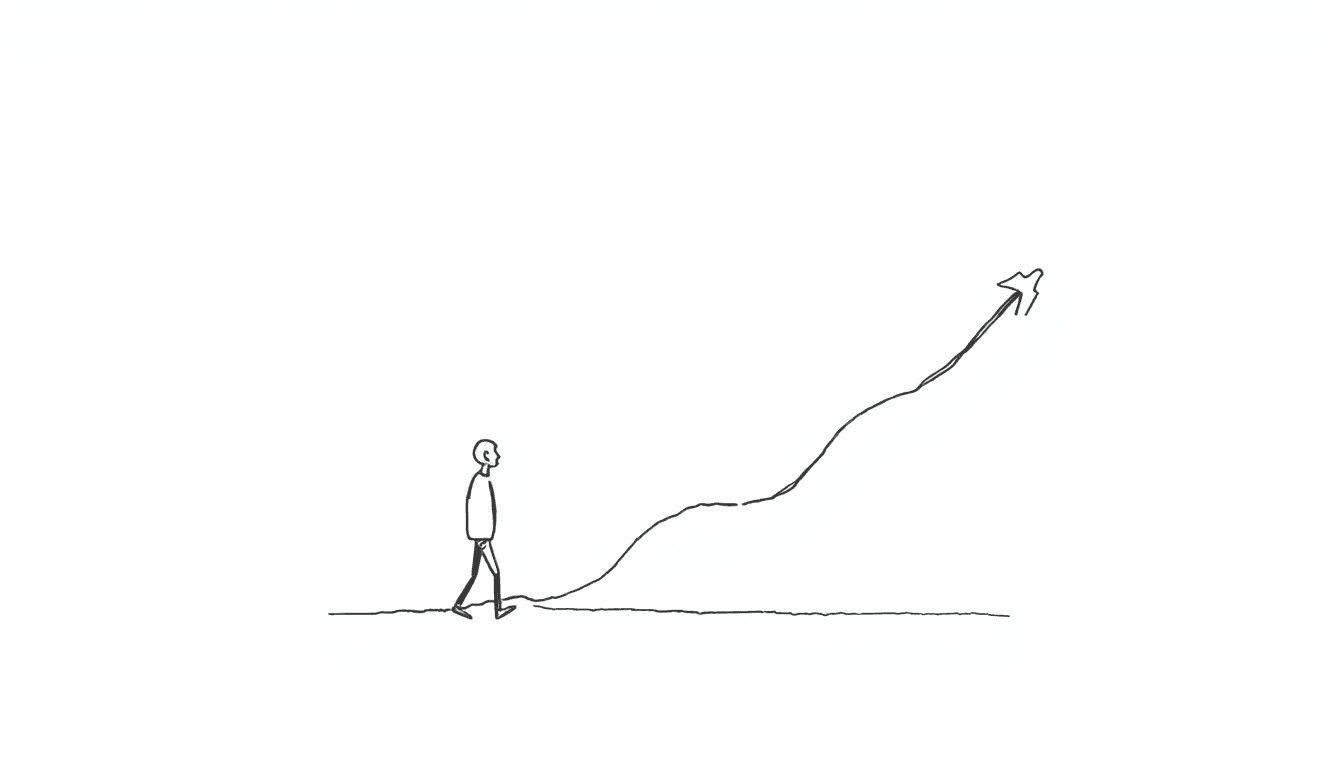
Loss Aversion & Why it Hijacks Your Decisions
Loss aversion makes threatened losses feel more urgent than equal gains—and it quietly steers choices in work, relationships, and risk. Learn the patterns behind it, and how to reframe “loss” so your decisions stay rational.

Anchoring: The First Number That Rewrites the Question
Anchoring is the way a first number, impression, or label quietly becomes the “reasonable” starting point for everything that follows. Learn how it shapes judgment—and how to reset your reference before it hardens into truth.
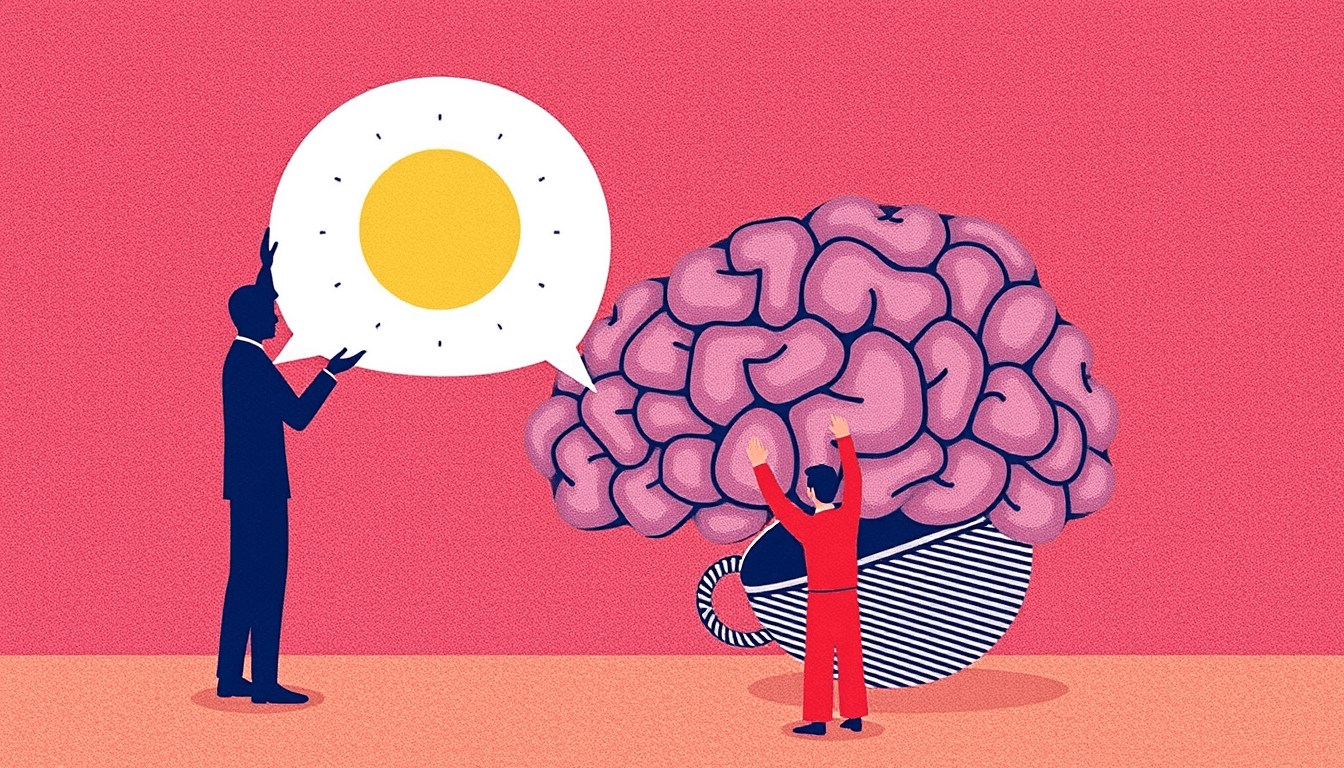
The Availability Heuristic: When “Easy to Recall” Becomes “Most True”
When something is easy to recall, your mind may treat it as more likely, more common, and more true—without checking the evidence. Discover how “availability” shapes belief, risk judgments, and everyday certainty—and how to correct it.
Decision under social gravity
Shows how uncertainty and relationships change what we treat as proof—via crowds, perceived attention, presentation frames, and reciprocal pressure.
Social Proof Under Uncertainty: Why We Copy When We Can’t Know
When you can’t tell what’s right, your brain often treats other people’s actions as evidence. Social proof can be adaptive—but it can also trigger cascades that preserve confidence, not correctness.

The Spotlight Effect: Why You Overestimate How Much Others Notice You
The spotlight effect makes you overestimate how much others notice your flaws, awkward moments, and private thoughts. It’s not vanity—it’s your brain confusing what feels vivid to you with what’s actually salient to them.

The Framing Effect: How Presentation Changes Meaning Without Changing Facts
The framing effect shows how your brain turns the same facts into different meanings—simply through presentation. Learn to spot the frame early, neutralize the spin, and make choices aligned with your real goal.

Reciprocity Isn’t Magic: A System of Social Pressure
Reciprocity isn’t magic—it’s a social system that creates internal pressure to “close the loop” after someone invests in you. Learn how it works, when it turns into control, and how to respond with consent instead of obligation.
Identity, emotion, and group loops
Connects trust and belonging, shared mood dynamics, responsibility diffusion, and scarcity-driven urgency into feedback loops that shift group behavior.
In-Group vs Out-Group Bias: How Identity Shapes Trust
In-group vs out-group bias shapes how we trust, interpret mistakes, and decide who “belongs.” Often it’s subtler than prejudice—our identities quietly become the evidence we use.
Emotional Contagion: How Mood Becomes a Crowd
Emotional Contagion You don’t just observe people—you transmit them to one another. Moods move through groups the way heat moves through metal: quietly at first, then all at once. …

The Bystander Effect: Why Presence Silences Urgency
The Bystander Effect: When “Someone Else” Becomes a System You can be willing. You can even be aware. And still—nothing happens. That’s the bystander effect: when others are pres…

The Scarcity Principle: When “Limited” Turns Want Into Value
Scarcity Principle Scarcity doesn’t just make things harder to get. It changes the meaning of the thing you’re looking at—quietly, instantly, and often against your better judgment…
Coherence traps and resetting perception
Closes by explaining how status stories and belief–behavior consistency protect identity, and how habituation can numb judgment—then suggests re-anchoring to keep perception honest.
Status Signalling: Why We Perform Worth, Not Just Produce Results
Status Signalling Most of what people do isn’t only aimed at outcomes. It’s aimed at position. Not “position” as in rank cards—though that’s part of it. Position as in: where am I …
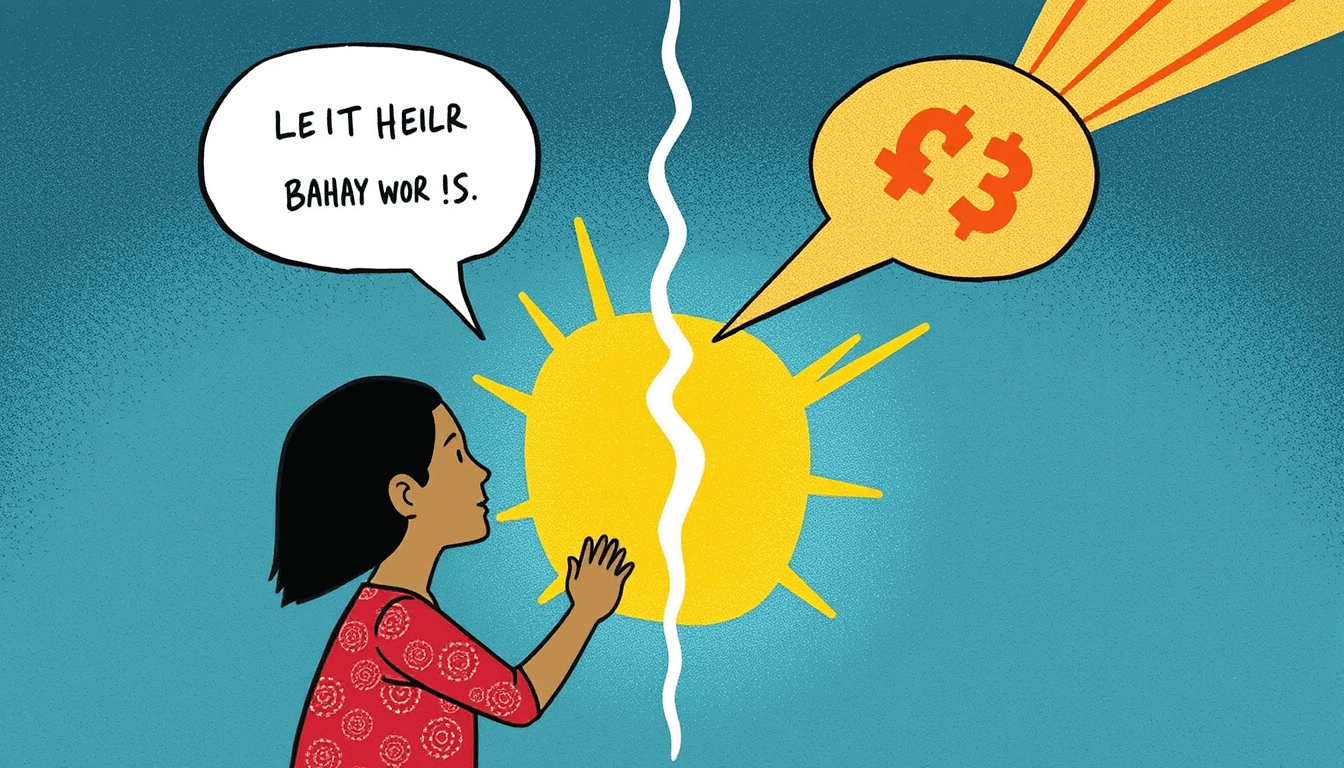
Beliefs vs. Behaviors: When Cognitive Dissonance Quietly Takes Over
The cost of believing “the right thing” while doing “the wrong thing” Cognitive dissonance is what happens when your mind finds a mismatch: what you believe collides with what you …

Habituation: How Familiarity Softens Emotion
Habituation: when your brain stops treating the world like a threat Repeated exposure doesn’t always make things better. It often makes them smaller—emotionally. That’s habituation…