Previous · Part 5
The Physics of Tension: How Stories Generate Need
This builds on Part 5: The Physics of Tension: How Stories Generate Need
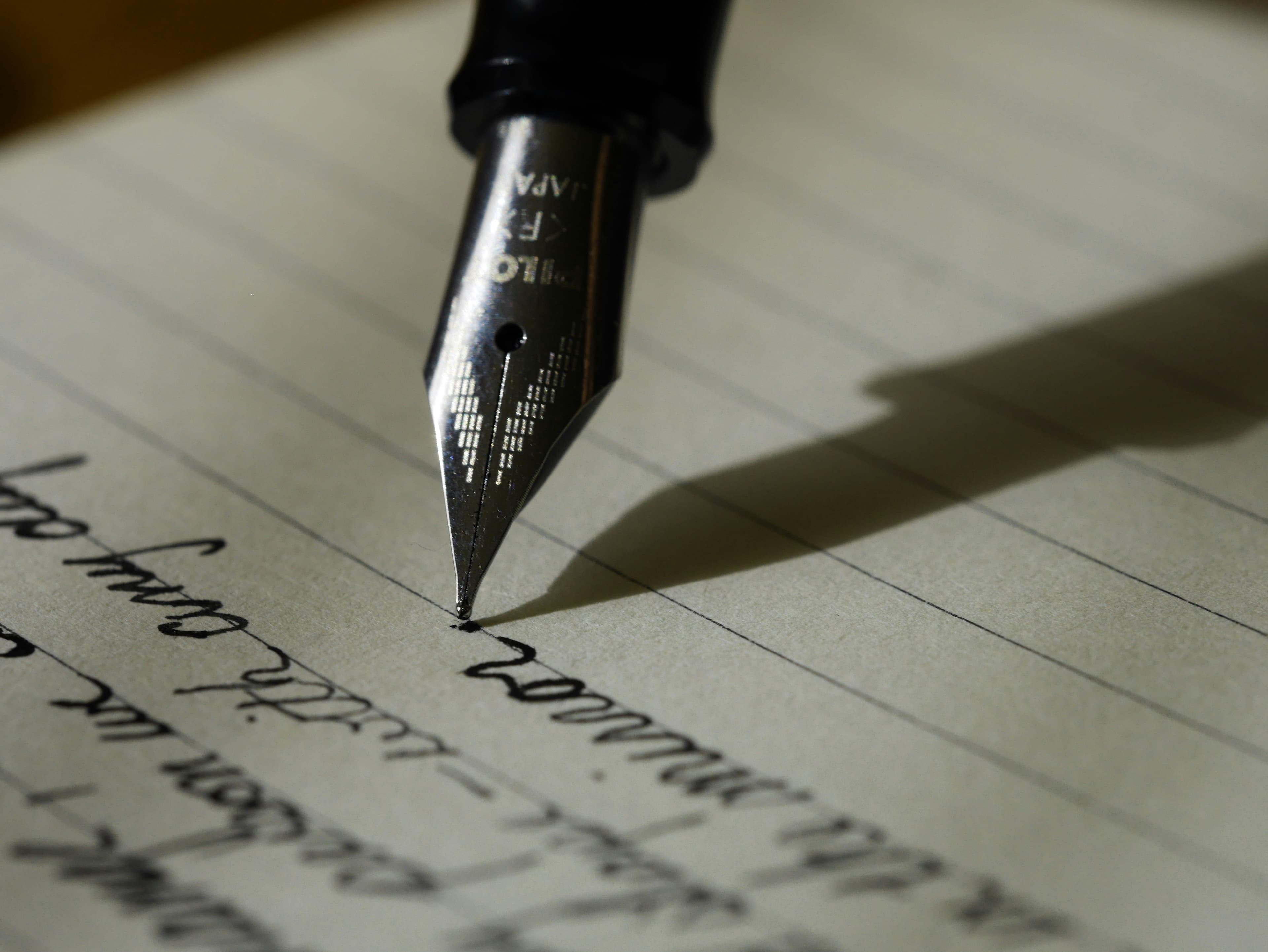
Writing is not about inspiration. It is about showing up with enough honesty to say something real, and enough craft to say it well.
Write without stopping. Let the sentences be ugly. Ugly is fixable. Silence is not.
I did not mean to write about [subject] — but it kept arriving, so here we are.
What is the thing you have been circling without naming?
Try naming it in one sentence. Just one.
The only one that matters at the start
Where most people give up
Where the piece finds its own logic
Not the writing. The thinking made visible.
The version you can read without looking away
Sentences that do real work
60%
Sentences that are throat-clearing
30%
Sentences you cannot cut
10%
I think that perhaps what I am trying to say is something along the lines of the idea that writing can be hard.
Writing is hard. Say it plainly.
Most writing fails at the sentence level, not the idea level
Writers protect weak sentences by surrounding them with strong ideas
- —A strong argument delivered in slack prose loses the reader before the point lands
- —Readers remember rhythm as much as content
Revise the sentence. The idea will survive.
Should you cut this paragraph?
- ✓The piece moves faster without it
- ✓It explains something the reader already knows
- ✗It contains the one true thing in the piece
- ✗Everything after it depends on it
If you have to ask, cut it. If cutting feels like loss, put it back.
The Avoidance Draft
- ·Essays that circle a subject for three paragraphs before touching it
- ·Stories that open on weather or commutes
- ·Pieces that end just before the real ending
Diagram: Blank page leads to Write anything; Write anything leads to Is it honest?; Is it honest? leads to Keep going (Yes); Is it honest? leads to Delete and try again (No); Keep going leads to First draft complete; First draft complete leads to Rest it; Rest it leads to Edit as a stranger; Edit as a stranger leads to Done — or close enough.
Diagram: Blank page leads to Write anything; Write anything leads to Is it honest?; Is it honest? leads to Keep going (Yes); Is it honest? leads to Delete and try again (No); Keep going leads to First draft complete; First draft complete leads to Rest it; Rest it leads to Edit as a stranger; Edit as a stranger leads to Done — or close enough.
Pen & Muse — Dispatch
Write
Something Worth Keeping
Every draft is a question. The edit is the answer.
If this resonates, see how to apply it to your own work with the interactive Dispatch agent.
Be first to like this dispatch