Explanation becomes power when it extracts essential structure—and carries it through frictionless transfer.

Previous · Part 10
Description vs Illumination: How Explanations Reorganise Understanding
Next · Part 12
The Carryable Explanation: How Great Clarity Becomes a Tool
This builds on Part 10: Description vs Illumination: How Explanations Reorganise Understanding
Continue with Part 12: The Carryable Explanation: How Great Clarity Becomes a Tool
Explain It Until It Moves Someone
If your explanation doesn’t change anything, it’s not an explanation.
It’s information with good manners.
The highest-leverage measurement isn’t “did they understand?” It’s: did their internal map update? And did that map update show up in what they perceive, choose, or do next.
The Measurement Ladder: from Meaning to Motion
Effective explanation creates observable consequences—not just mental satisfaction. The cleanest way to think about measurement is a ladder:
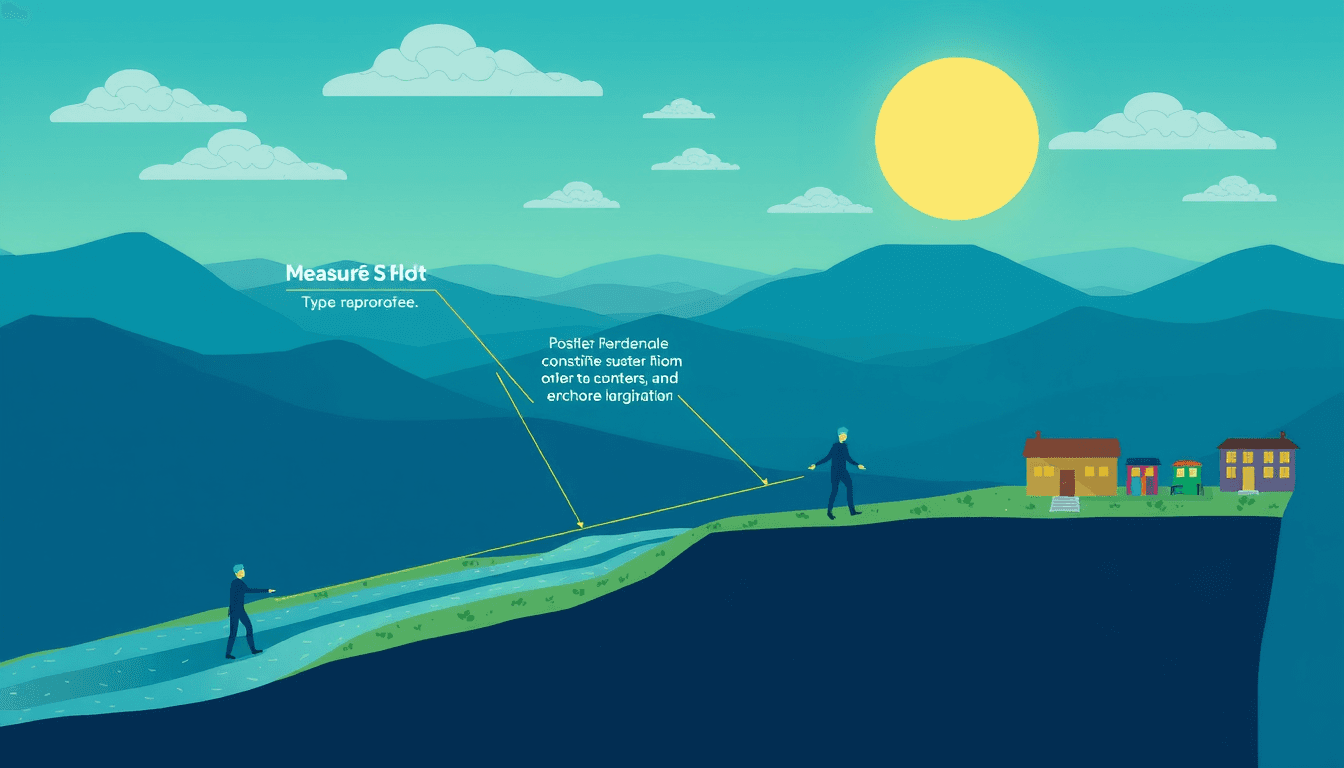
Diagram: Perception shifts leads to New choices become available; New choices become available leads to Action changes in the world.
Diagram: Perception shifts leads to New choices become available; New choices become available leads to Action changes in the world.
Each rung is a different kind of proof.
1) Perception: “I see it differently now.”
This is the first measurable change. Not agreement—reframing.
Look for signals like:
- They restate your idea with different assumptions
- They notice new patterns in the situation
- They can predict outcomes that used to surprise them
If perception shifts, you’ve earned the right to hope.
2) Choice: “Given that, I would do X.”
Perception doesn’t automatically become action. But it unlocks options.
Choice shifts show up as:
- A different recommendation
- A different prioritization
- A tradeoff they now accept (or refuse)
This is where your explanation begins behaving like leverage.
3) Action: “They actually behave differently.”
Action is the most expensive signal—and the most convincing.
You’ll see it in:
- Attempts, trials, iterations
- Adoption of a new workflow
- Refusal to repeat the old mistake
Action is also where confounders live. People may understand and still not act due to incentives, constraints, time, or fear.
Continue reading with a subscription
Explorer and Immersion subscribers get full access to all premium dispatches, series, and long-form guides.
If this resonates, see how to apply it to your own work with the interactive Dispatch agent.
Be first to like this dispatch