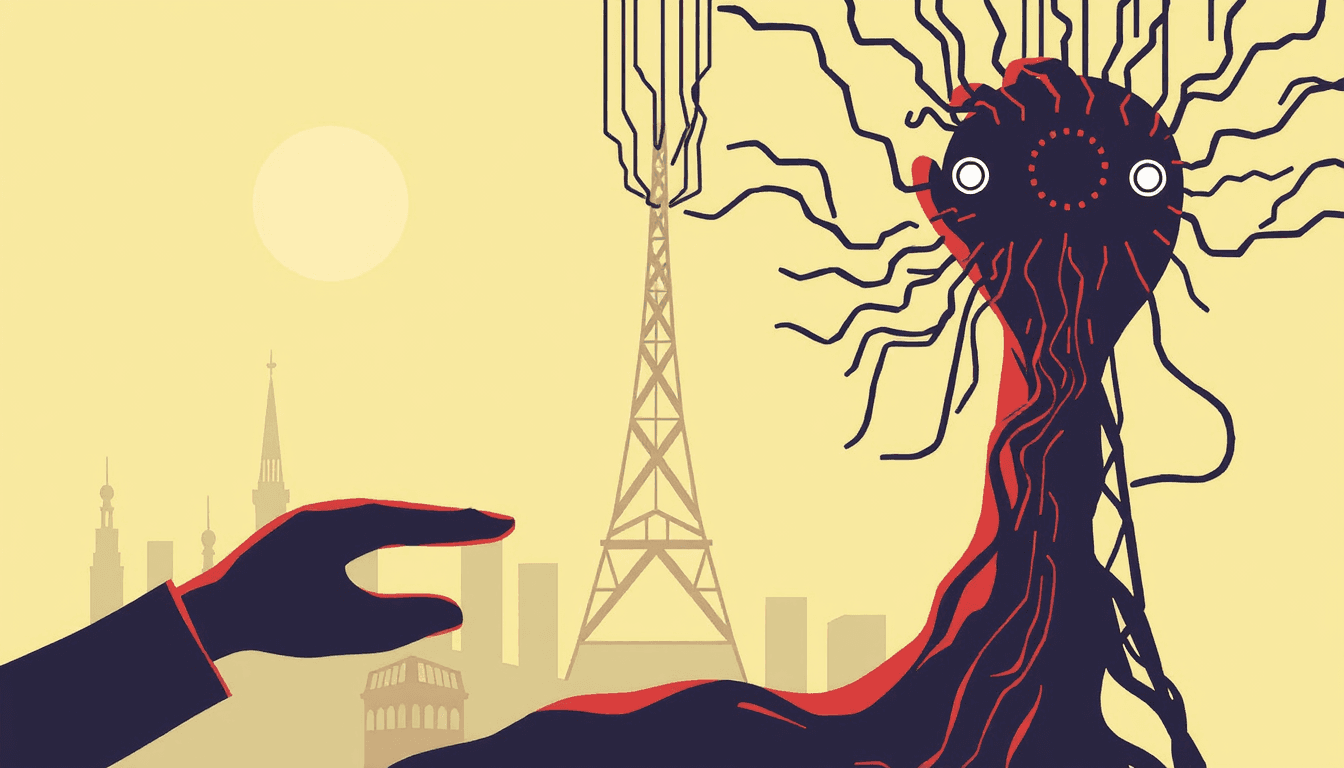
Your mind doesn’t just see reality—it edits it, then calls the result evidence.

Previous · Part 13
Status Signalling: Why We Perform Worth, Not Just Produce Results

Next · Part 15
Habituation: How Familiarity Softens Emotion
This builds on Part 13: Status Signalling: Why We Perform Worth, Not Just Produce Results
Continue with Part 15: Habituation: How Familiarity Softens Emotion
The cost of believing “the right thing” while doing “the wrong thing”
Cognitive dissonance is what happens when your mind finds a mismatch: what you believe collides with what you do. The mismatch isn’t just uncomfortable—it’s expensive. Your brain will spend energy to resolve it, not because you’re weak, but because it’s trying to restore internal coherence.
This is why the most important beliefs aren’t the ones you recite. They’re the ones you act out. And it’s also why people can defend an action with a story that sounds—sincerely—like truth.
What dissonance actually feels like
Dissonance can look like:
- Guilt (“I shouldn’t have done that.”)
- Rationalising (“It wasn’t really that bad.”)
- Doubling down (“Anyone would have done the same.”)
- Avoidance (“I’ll just not think about it.”)
- Reframing (“That decision was consistent with my values after all.”)
The surface emotion varies. The underlying mechanism is consistent: internal contradiction triggers pressure. And pressure demands relief.
The three ways the mind resolves a mismatch
Most people assume resolution means “admit you were wrong.” Often it does not. Often the mind protects identity.
1) Change the behavior
This is the clean fix: update what you do so it matches what you believe.
But it’s only available if the cost is bearable. Sometimes the behavior is already locked in, or the stakes are too high. Then the brain turns to the other options.
2) Change the belief
If changing behavior is hard, belief becomes the lever. You start believing what you need to believe to keep the internal story intact.
This can be subtle:
- “I didn’t really mean I’d never do that.”
- “My standards are different in this case.”
- “The situation changed—so my values changed with it.”
The brain isn’t necessarily lying. It’s negotiating.
3) Change the interpretation
Sometimes you keep both behavior and belief, but reinterpret the relationship between them.
- “It wasn’t selfish; it was protective.”
- “It wasn’t cheating; it was innovation.”
- “It wasn’t reckless; it was courage.”
This is how a decision becomes “identity-consistent” retroactively.
A small mismatch that produces big self-deception
Not all dissonance comes from dramatic events. Many of the most powerful ones are everyday.
Consider the pattern:
- You make a claim about what you value.
- You do something inconsistent.
- You feel a flare of discomfort.
- You reduce the discomfort by adjusting the story.
This is how “I’m a reasonable person” becomes “those rules only apply to people who don’t understand the context.” The adjustment doesn’t have to be false. It just has to be convenient.
When dissonance becomes a habit: identity protection
Dissonance resolution tends to preserve something deeper than logic: identity.
If your self-concept is “I’m honest,” then dishonesty creates a threat. Your mind will try to neutralize that threat quickly. It may:
- minimise the dishonesty,
- shift blame,
- reclassify the act (“it was technically true”),
- or adjust the identity (“honesty matters, but…”).
The key is that dissonance resolution often prioritises continuity of self over alignment with reality.
Diagram: the dissonance loop
Diagram: A leads to Action: You do not honor X; Action: You do not honor X leads to Dissonance Pressure; Dissonance Pressure leads to Resolution Choice; Resolution Choice leads to Change Behavior; Resolution Choice leads to Change Belief; Resolution Choice leads to Change Interpretation; Change Behavior leads to Short-term relief, alignment improves; Change Belief leads to Identity shifts to fit behavior; Change Interpretation leads to Story adapts, reality relationship loosens; Story adapts, reality relationship loosens leads to Future choices feel more justified.
Diagram: A leads to Action: You do not honor X; Action: You do not honor X leads to Dissonance Pressure; Dissonance Pressure leads to Resolution Choice; Resolution Choice leads to Change Behavior; Resolution Choice leads to Change Belief; Resolution Choice leads to Change Interpretation; Change Behavior leads to Short-term relief, alignment improves; Change Belief leads to Identity shifts to fit behavior; Change Interpretation leads to Story adapts, reality relationship loosens; Story adapts, reality relationship loosens leads to Future choices feel more justified.
The telltale sign: “I know better” stops meaning anything
One of the most deceptive outcomes of dissonance is when the person still believes the original principle—but it no longer governs behavior.
That’s not simply inconsistency. That’s the erosion of the rule’s authority inside your mind.
So the question isn’t only “Do my actions match my beliefs?” It’s:
- If not, what story am I using to make the mismatch feel acceptable?
- What happens to my values when I’m under pressure?
Tabs: what dissonance looks like in real life
In relationships
When you say “communication matters,” but avoid a hard conversation.
You may resolve dissonance by concluding: “They don’t really listen anyway,” or “It’s not the right time,” or “Silence is peace.”
At work
When you claim “quality is everything,” but ship anyway.
Resolution often turns into: “It’s fine—we’ll fix it later,” or “This isn’t my responsibility,” or “Speed is also quality.”
In self-image
When you believe “I’m disciplined,” but repeatedly break the same promise.
The mind may reframe: “I’m not lazy, I’m just resetting,” until the schedule becomes scenery rather than structure.
How to work with dissonance instead of letting it work you
You don’t need to eliminate dissonance. You need to direct its resolution toward growth.
A reliable move is to slow down the story-making. Don’t ban explanations—just add a second step: verification.
A practical prompt for seeing dissonance in your own mind
Where have you recently defended an action with a new interpretation?
Write the original belief in one line, then write the action, then write the explanation you used to connect them. Now circle the smallest change you could make that would remove the mismatch next time.
The takeaway
Dissonance is not evidence that you’re broken. It’s evidence that you’re human—and that your mind is always trying to keep its worldview stable. The difference between growth and self-justification is whether you steer the resolution or let it steer you.
If this resonates, see how to apply it to your own work with the interactive Dispatch agent.
Be first to like this dispatch