You don’t need more effort—you need a cleaner signal chain that steers you from emotion to action.

Previous · Part 7
Belief Is the Rulebook You’re Living By (and How to Rewrite It)

Next · Part 9
Emotion Is the Signal — Interpretation Is the Steering Wheel
This builds on Part 7: Belief Is the Rulebook You’re Living By (and How to Rewrite It)
Continue with Part 9: Emotion Is the Signal — Interpretation Is the Steering Wheel
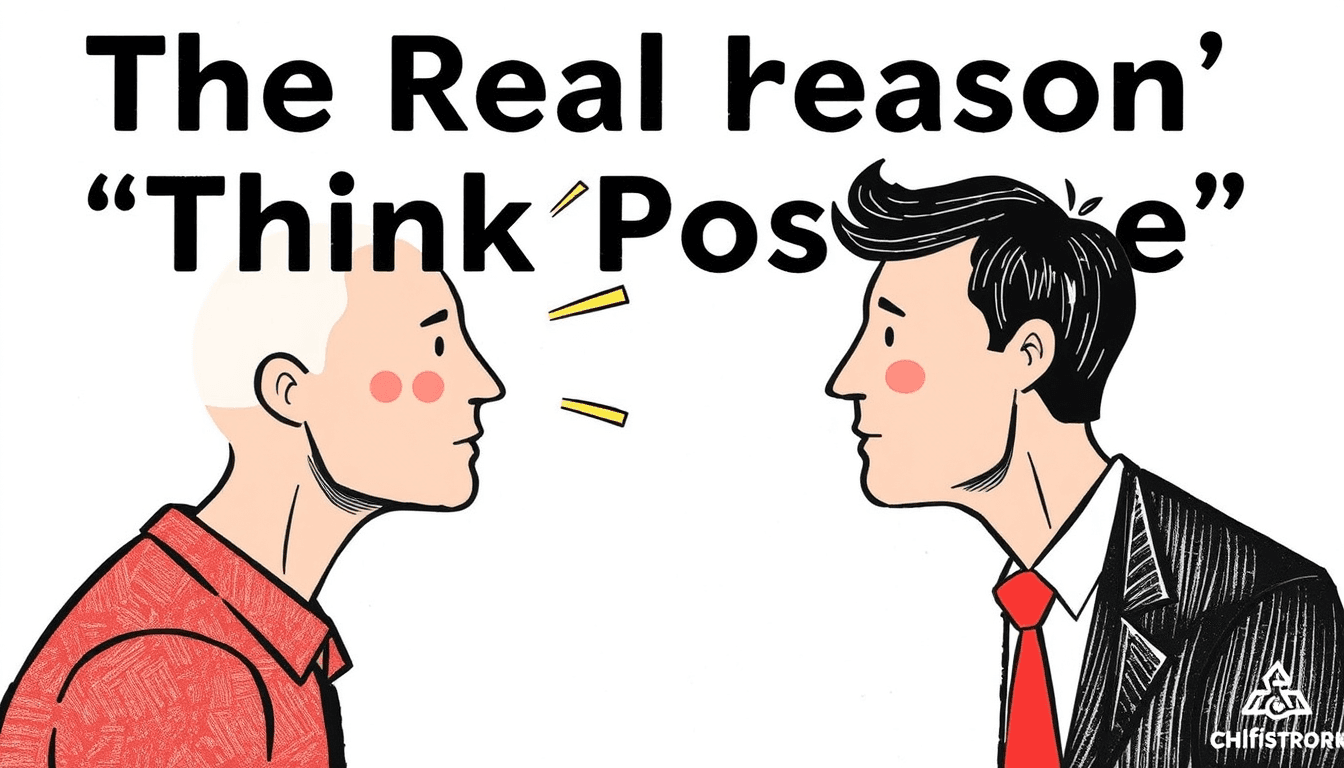
Part 7: Why “Thinking Positive” Doesn’t Work
You’re not broken. Your system is simply honest.
When people say “think positive,” they usually mean: try to feel better on demand. But your inner architect doesn’t build from forced moods. It builds from resonance—your genuine emotional signal—plus the belief that lets you trust the blueprint even before it shows up.
The hidden problem: misaligned emotion + weak belief
Let’s name the mechanism plainly.
- Emotion is your navigational compass. It tells you whether you’re in alignment or friction.
- Belief is the rulebook that decides what you can trust.
When you “think positive” while your emotional state is not aligned, you create an internal split:
- Your mind says “yes.”
- Your feeling says “maybe… or no.”
And if belief is weak, the internal “maybe” wins. Not because you’re pessimistic—because you’re protecting yourself from disappointment you don’t fully trust you can survive.
What misalignment feels like (even when you’re trying)
You might recognize the pattern:
- You repeat an affirmation—but you feel tense underneath.
- You visualize—but your mind keeps “checking the locks.”
- You try to stay upbeat—but it drains you faster than it energizes you.
That’s not you being ungrateful or dramatic. That’s your inner architect updating the blueprint with real-time data: alignment is not present yet.
The missing ingredient: emotion doesn’t need fixing—it needs translating
Earlier in this system, emotion was framed as feedback without self-judgment. That’s the key you’re probably skipping when you hear “just be positive.”
Continue reading with a subscription
Explorer and Immersion subscribers get full access to all premium dispatches, series, and long-form guides.
If this resonates, see how to apply it to your own work with the interactive Dispatch agent.
Be first to like this dispatch