To look at the Old Kingdom necropolis is to look at a machine built for measurement. For decades, popular imagination has cast the pyramids as static tombs or mysterious monoliths. But when we strip away the abstraction and look at the alignment data, a different picture emerges: that of an expansive, integrated laboratory for tracking the mechanics of the heavens.
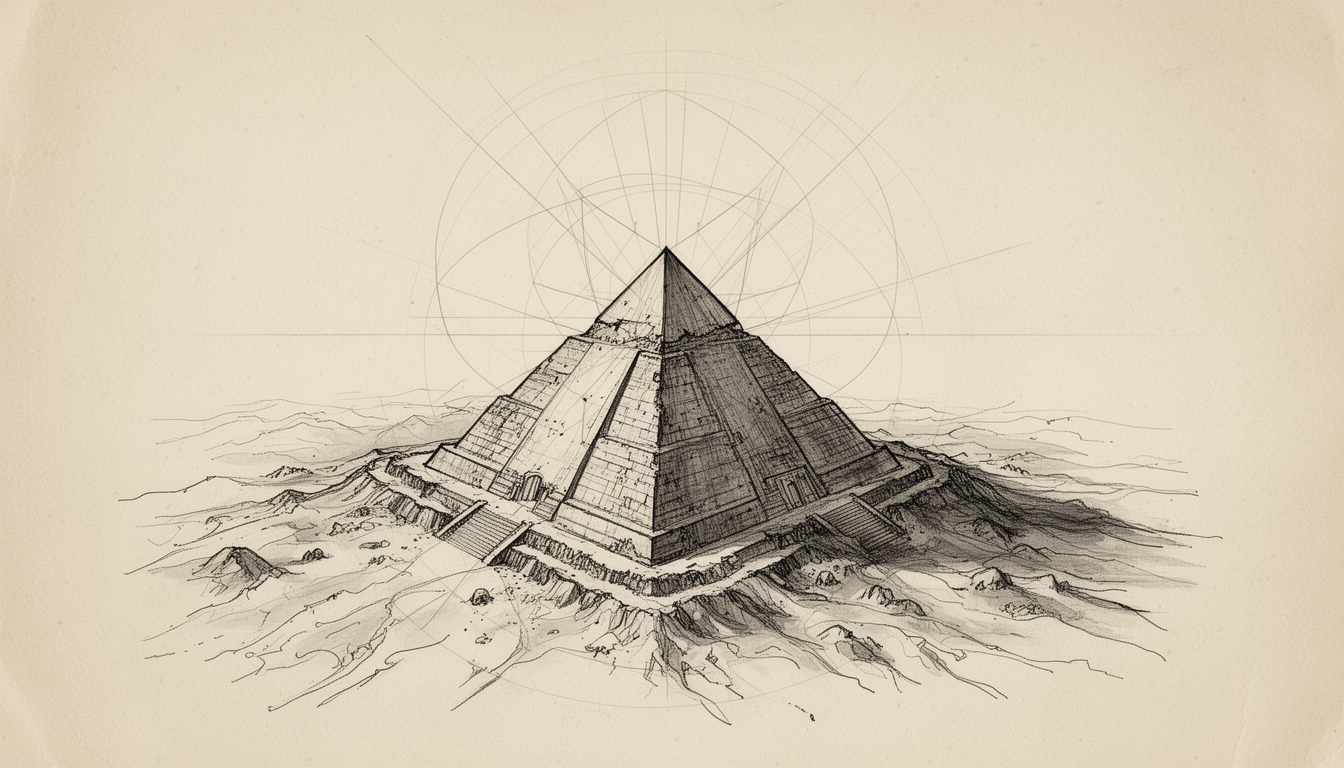
The evolution from Saqqara to Giza represents a rigorous refinement of a scientific hypothesis. The transition from the Step Pyramid of Djoser to the smooth-sided perfection of Khufu’s monument wasn't merely an architectural feat; it was a process of calibration. The builders were not just stacking stone; they were anchoring the terrestrial landscape to the cardinal axes of the rotating earth.
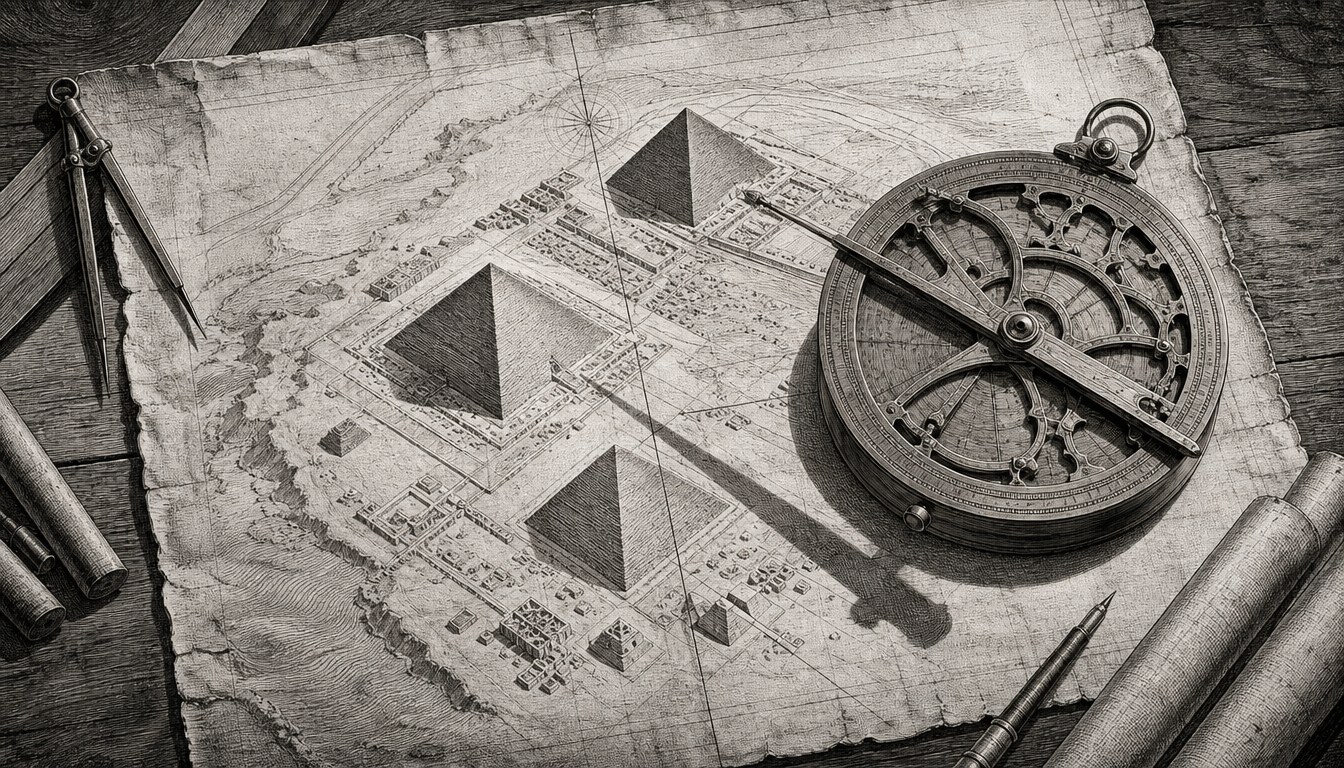
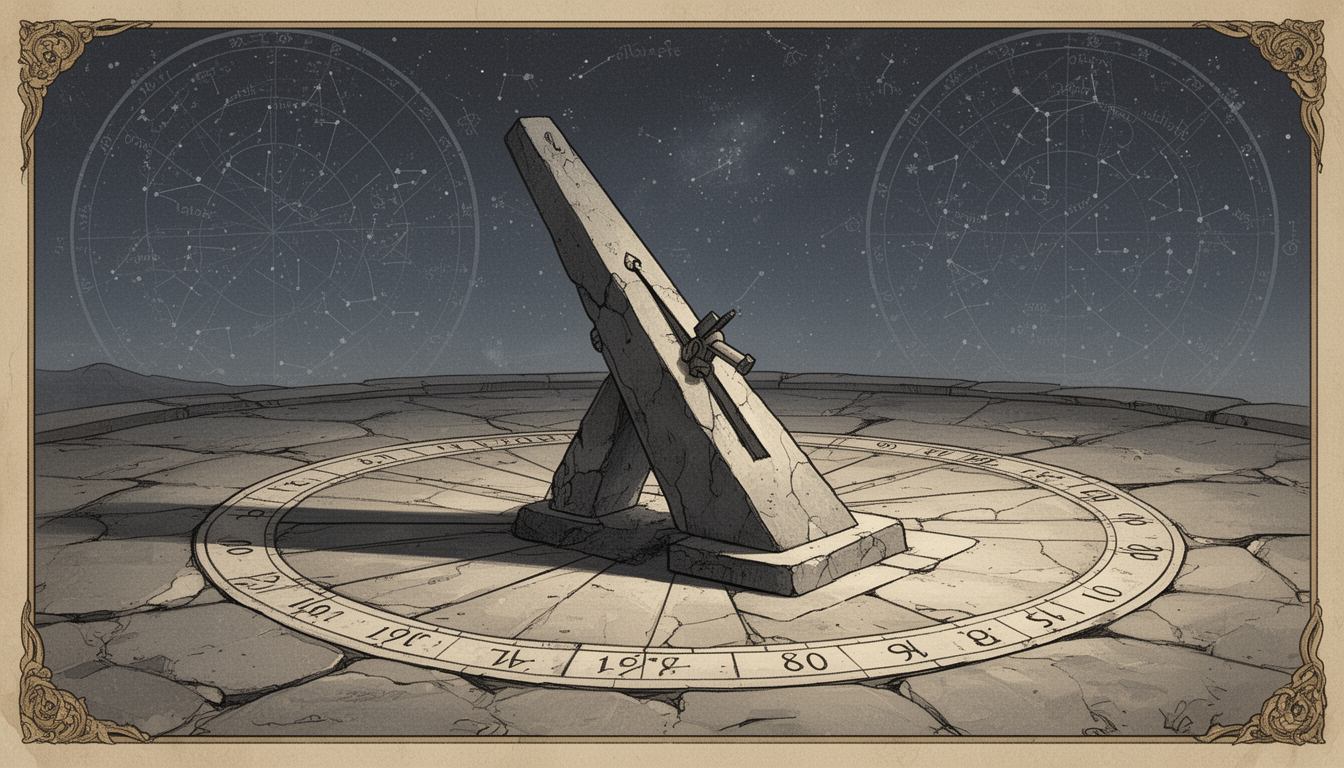
The primary evidence lies in the orientation. The Great Pyramid is aligned to true north with an accuracy that defies simple rule-of-thumb construction. This level of precision suggests a sophisticated use of the meridian line. By observing the transit of stars or the shadows cast by the sun at local noon, the Old Kingdom architects established a reliable geometric tether. These alignments allowed them to synchronize the structure with the solar year, effectively turning the plateau into a massive, immobile calendar.
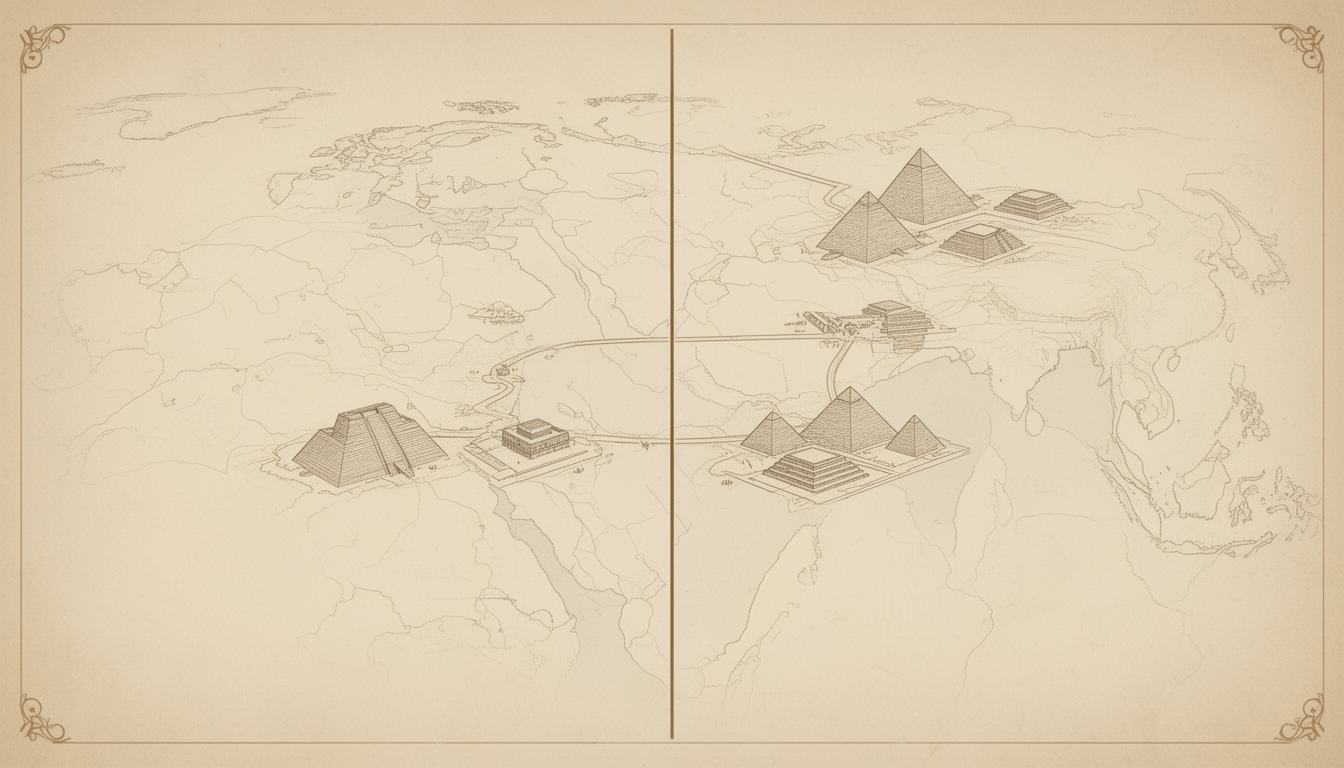
This interconnected system extended beyond Giza. By analyzing the site plans of Dahshur and Abusir, we can see a clear continuity in design language. These sites do not exist in isolation; they are nodes in a corridor of observation.
The pyramids functioned as integrated astronomical instruments.
The consistent application of cardinal alignment and geometric proportion suggests a deliberate scientific methodology rather than trial-and-error construction.
- —The extreme angular precision of the Giza meridian alignment.
- —The evolving geometric sophistication from the Step Pyramid to the refined slopes of the Fourth Dynasty.
- —The intentional placement of complexes along the Nile corridor to capture specific celestial phenomena.
The Old Kingdom necropolis was a planned environment designed to map the relationship between solar cycles, terrestrial space, and the observer.
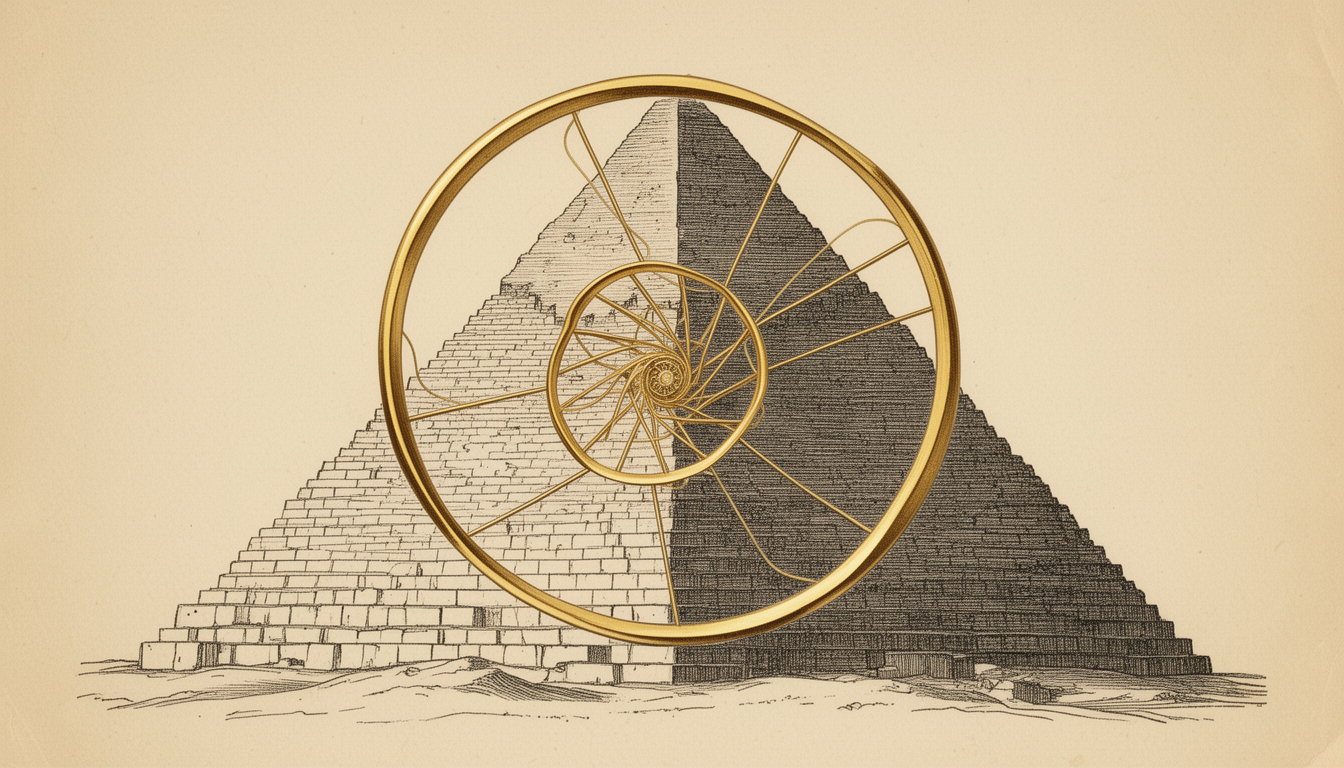
Central to this geometric harmony is the recurring presence of the Golden Ratio (phi). While some interpret this as an aesthetic choice, in the context of Old Kingdom engineering, it likely served a functional purpose. Mathematical proportion provides a structural stability that mirrors the perceived order of the cosmos. By encoding these ratios into the very skin of the pyramids, the builders created a durable record of their intellectual grasp of geometry.
We must shift our view of these builders from mere laborers to observers. They were masters of shadow and transit, utilizing the Nile as a baseline for a wider, landscape-scale measurement system. The pyramids were not built to hide the dead; they were built to observe the living pulse of the sky—a constant, rhythmic exchange between the turning Earth and the infinite geometry of the stars.

What remains is a challenge of reconstruction: if these monuments were the instruments, what were the specific variables they were meant to isolate? The data suggests we are looking at the remnants of a civilization that viewed the sky not as a mystery, but as a system of predictable, measurable, and highly sacred mechanics.
If this resonates, see how to apply it to your own work with the interactive Dispatch agent.
1 reader liked this dispatch