The longest surviving text in the Etruscan language was not discovered in a tomb in Tuscany.
It was not carved into stone.
It was not kept in a library.
It was found in Egypt, wrapped around a mummy.
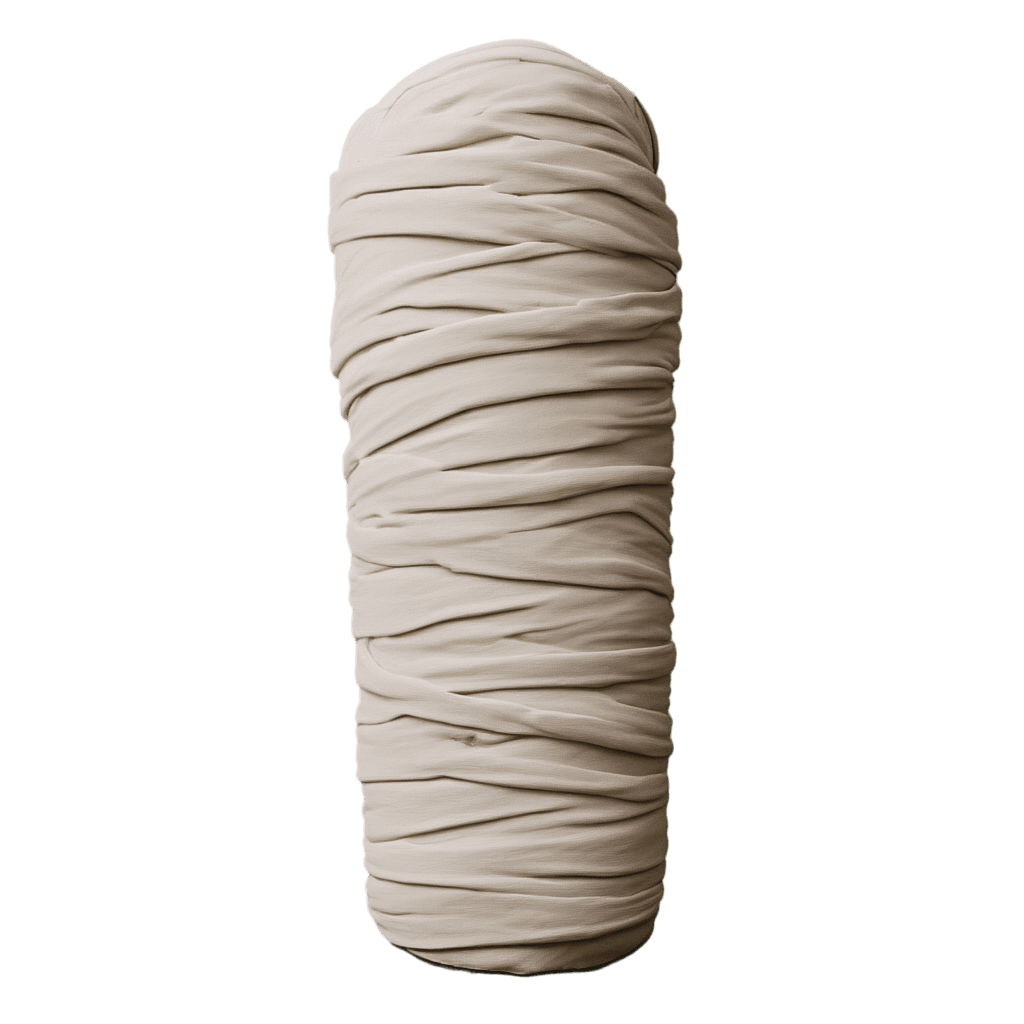
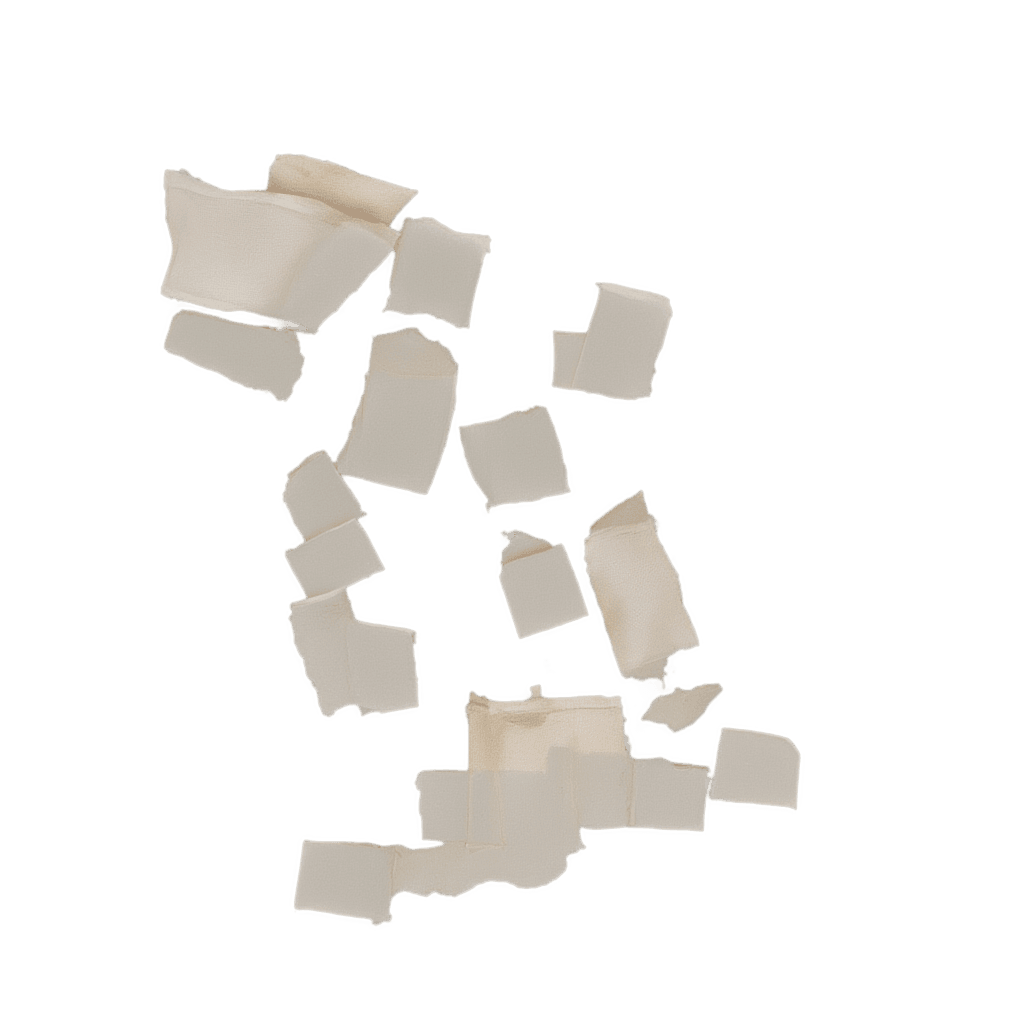
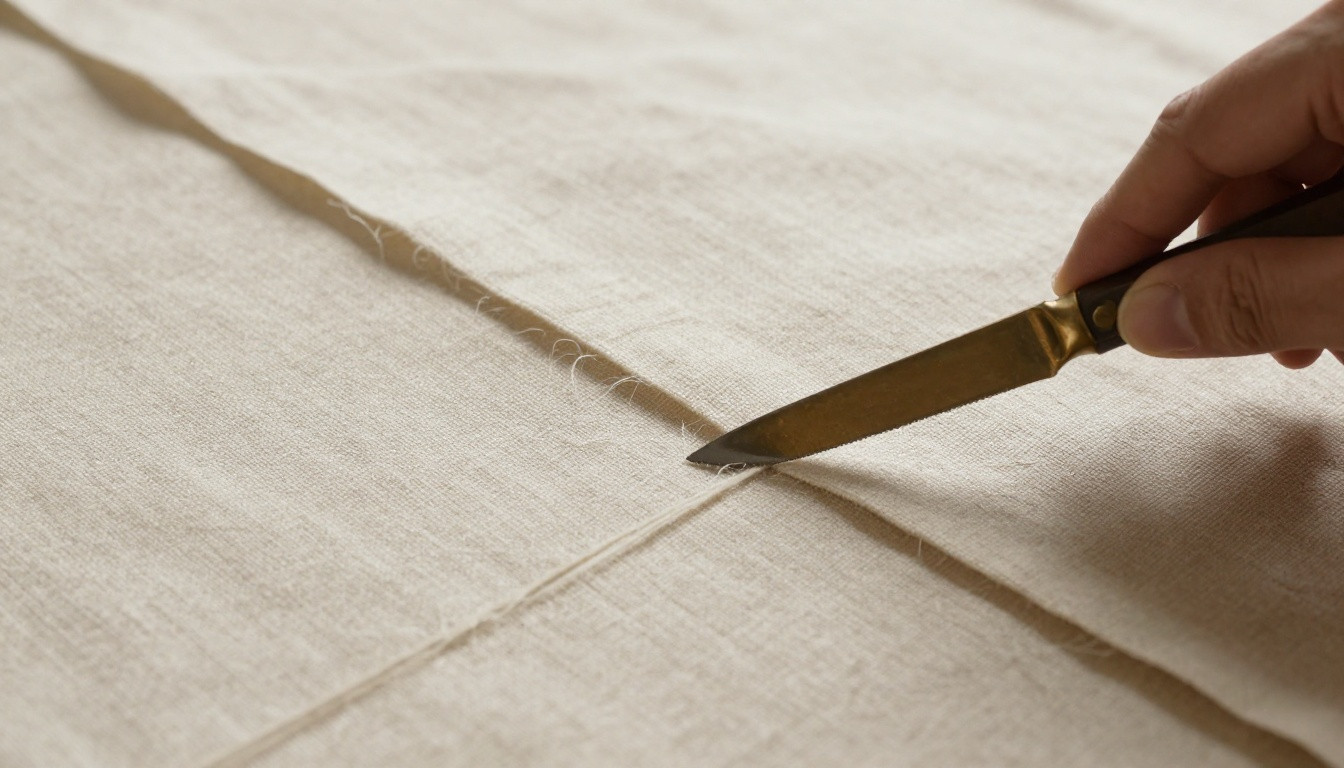
Ancient linen pages had been cut into strips and reused as burial cloth. What began as a book became packaging for the dead. What looked like ritual wrapping turned out to be one of the most important witnesses to a lost language.

The language that almost vanished
The Etruscans lived in central Italy before Rome became Rome.
They built cities. They traded widely. They shaped early Roman religion, art, symbols, and power. Rome learned a great deal from them, then absorbed them.
Their language did not survive in the same way.
Latin expanded. Etruscan faded. Most of what remains is short: names on tombs, ownership marks on objects, brief inscriptions on stone, bronze, pottery, or mirrors.
Enough to prove the language existed.
Not enough to fully hear it.
Then came the linen.
A book, taken apart
The object is known today as the Liber Linteus Zagrabiensis — the Linen Book of Zagreb.
It is usually dated to around the 3rd century BCE. Scholars believe it was likely a ritual calendar or religious text. The writing is Etruscan. The material is linen.
That matters.
Books in the ancient Mediterranean were not always made of papyrus or parchment. Linen could also carry writing. But linen decays. It does not usually wait patiently for two thousand years.
Unless the climate is dry.
Unless it is sealed in a tomb.
Unless, by some strange chain of use and accident, it travels to Egypt and becomes mummy wrapping.
Object
Liber Linteus Zagrabiensis
Language
Etruscan
Material
Linen
Surviving text
About 1,200 readable words
Lines
Over 200
Current home
Archaeological Museum in Zagreb
Likely date
3rd century BCE
The strange journey of a text
The story is almost too odd to feel real.
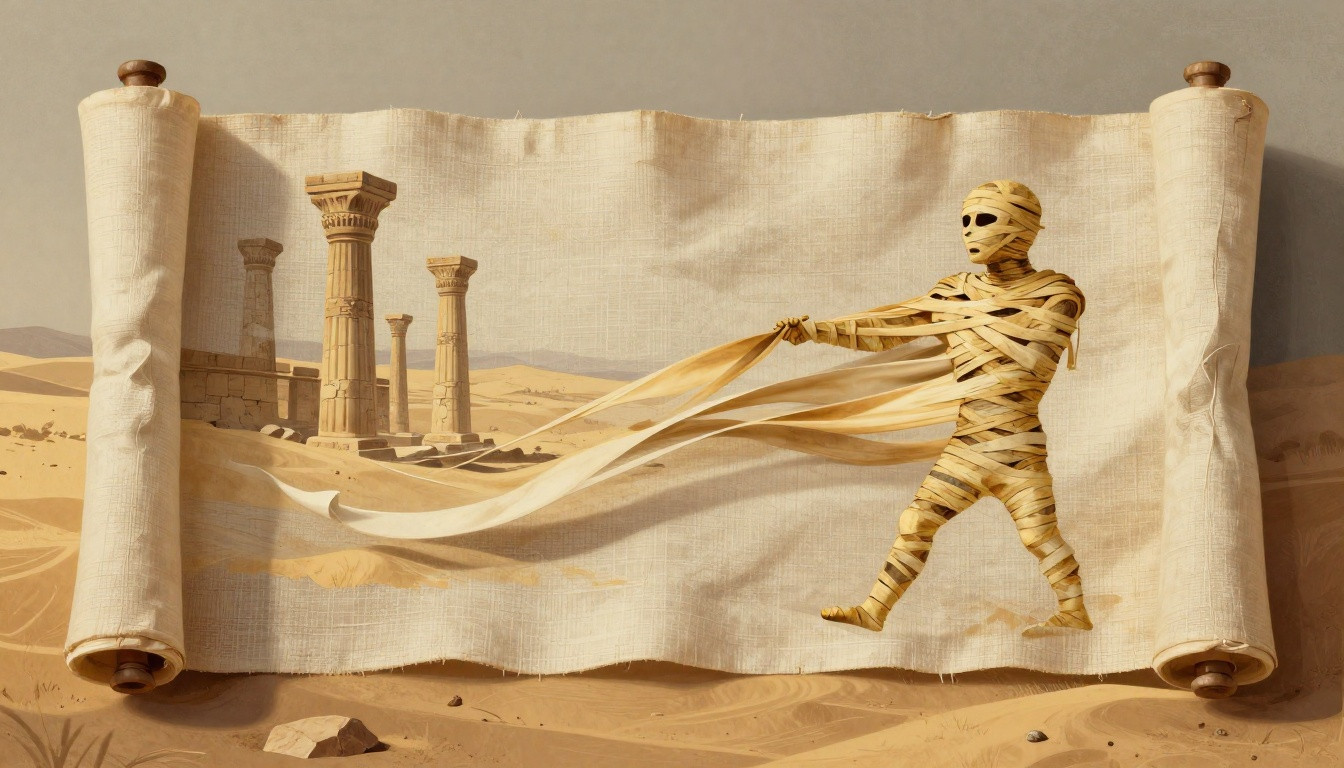
An Etruscan linen book existed somewhere in the ancient world. At some point, its pages were cut apart. The strips were used to wrap the body of a woman mummified in Egypt.
Centuries passed.
In the 19th century, the mummy was purchased in Egypt and eventually brought to Zagreb. For a time, the writing on the wrappings was not understood. It was only later that scholars realised the script was not Egyptian.
It was Etruscan.
A linen text is written in Etruscan
The linen pages are cut into strips
The strips are reused as mummy wrappings
The mummy is acquired and brought to Zagreb
Scholars recognise the writing as Etruscan
The text remains the longest known Etruscan manuscript
Diagram: Etruscan linen book leads to Pages cut into strips; Pages cut into strips leads to Used as mummy wrapping; Used as mummy wrapping leads to D; D leads to Brought to Zagreb; Brought to Zagreb leads to Recognised as Etruscan; Recognised as Etruscan leads to Becomes the longest surviving Etruscan text.
Diagram: Etruscan linen book leads to Pages cut into strips; Pages cut into strips leads to Used as mummy wrapping; Used as mummy wrapping leads to D; D leads to Brought to Zagreb; Brought to Zagreb leads to Recognised as Etruscan; Recognised as Etruscan leads to Becomes the longest surviving Etruscan text.
The accident that saved it
There is a bitter irony here.
The book survived because it stopped being treated as a book.
If it had remained in ordinary use, it may have worn out. If it had been kept in a damp place, it may have rotted. If it had stayed in Italy, it may have disappeared like so many other ancient texts.
But because someone cut it apart and used it to wrap a corpse, it entered a different kind of preservation system.
A dead body became an archive.
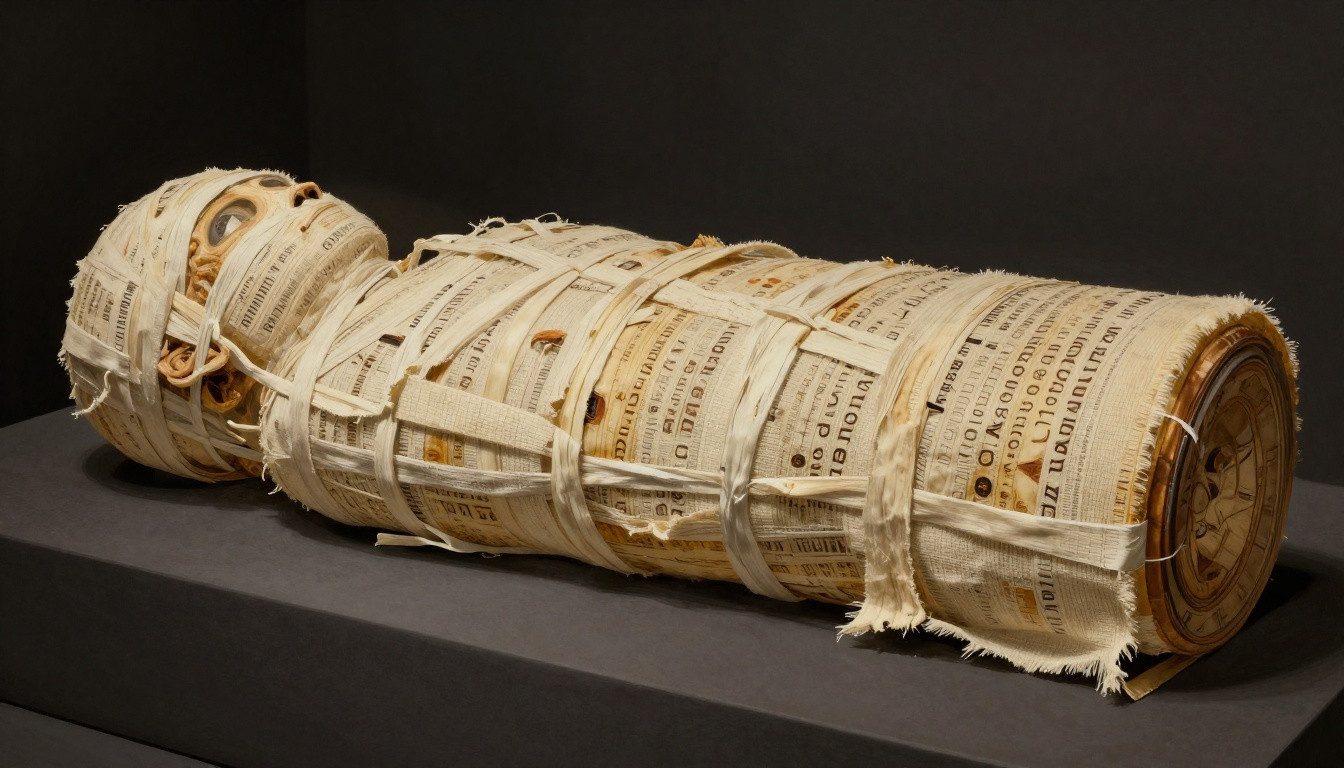
This is one of the great lessons of old objects: preservation is often not noble.
It is messy.
A shopping list on a potsherd survives. A royal speech disappears. A sacred text becomes stuffing. A legal document is scraped clean and written over. A language hides inside waste, binding, walls, graves, and margins.
History is not a neat shelf.
It is a salvage yard.
What the text says
The Liber Linteus is not fully understood.
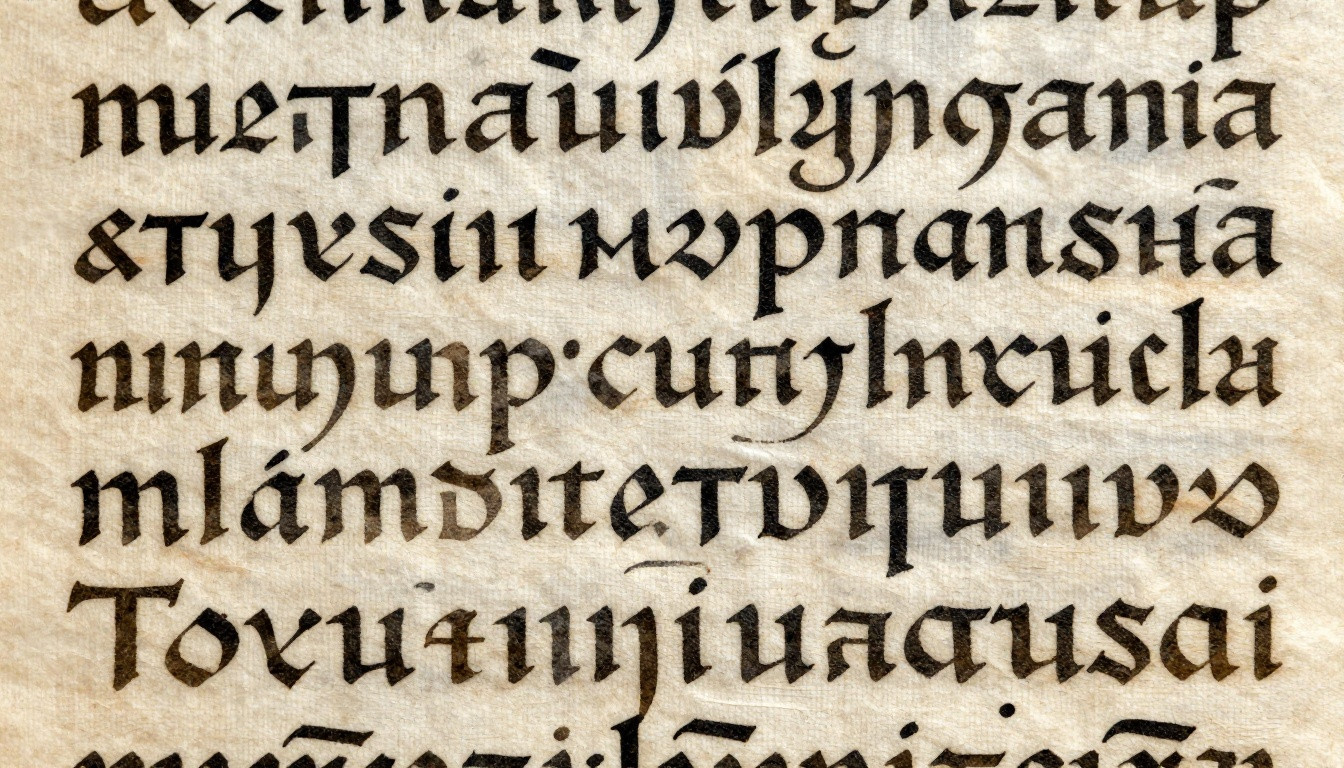
Etruscan can be read in the sense that scholars know the alphabet and can pronounce much of it. But understanding every word is another matter. The language is not Indo-European like Latin, Greek, or English, so it does not fit neatly into the family tree that helps scholars decode many ancient texts.
Still, patterns appear.
The text seems to contain repeated formulas, dates, offerings, ritual instructions, and references to gods or sacred observances. This is why many scholars read it as a kind of religious calendar.
Not a story.
Not a poem.
Not a royal boast.
A schedule of sacred action.
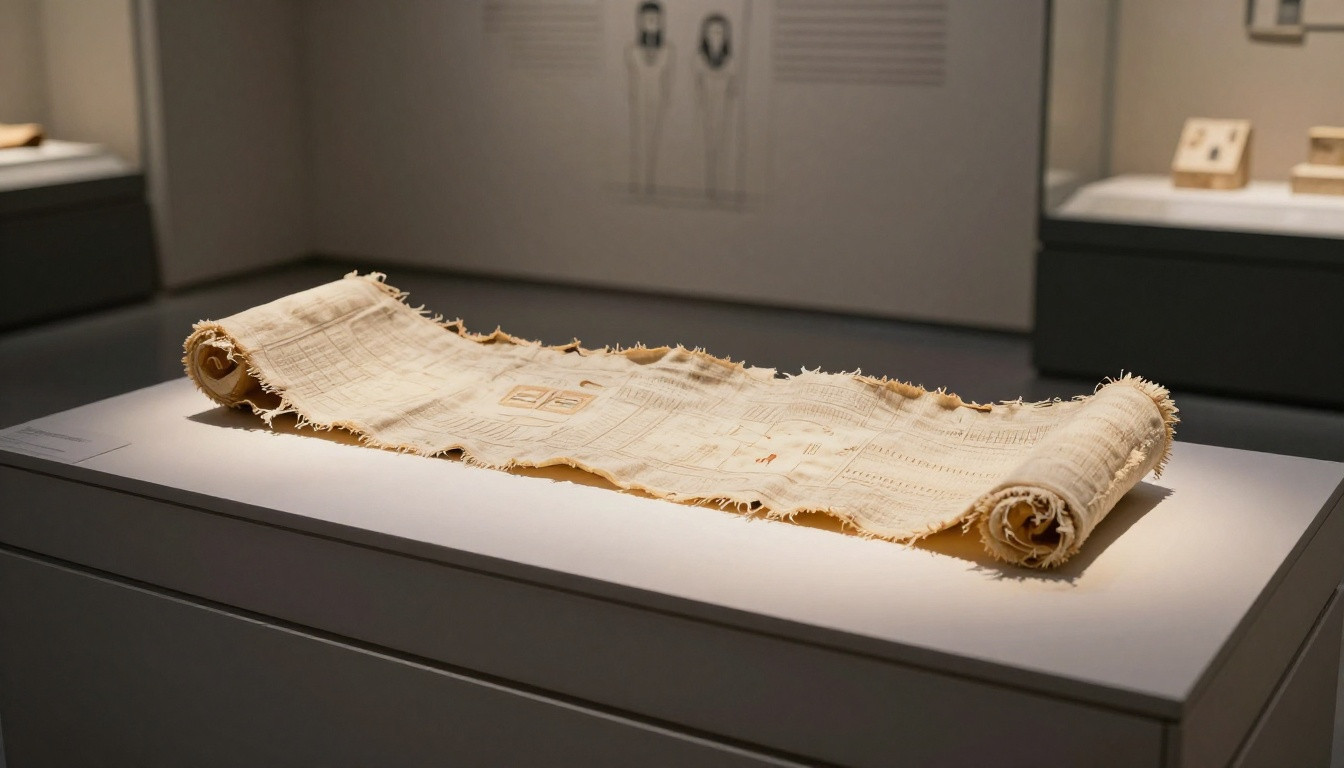
A long Etruscan text on linen, preserved in strips used to wrap a mummy.
Why Egypt matters
The Egyptian setting is not a side detail. It is the reason the text survived.
Egypt’s dry climate preserved organic material that would have vanished elsewhere. Papyrus, linen, wooden tablets, leather, food, flowers, hair — things that decay in most places can endure there for millennia.
This is why Egypt has preserved so many fragments of ancient life. Not just monuments, but receipts, letters, sandals, baskets, contracts, spells, and scraps.
The Liber Linteus belongs to that world of accidental survival.
But it also points beyond Egypt.
It shows how objects moved across cultures. How materials were traded. How old texts could be stripped of their meaning and given a new function. How one civilisation’s document could become another civilisation’s burial cloth.
The Liber Linteus matters because it changes the scale of what we can know about Etruscan.
Most surviving Etruscan writing is brief, but this text preserves extended language across hundreds of lines.
- —It contains about 1,200 readable words
- —It is written on linen, making it a rare ancient book form
- —It survived through reuse in Egyptian mummification
- —It gives scholars repeated phrases and structures to compare
A discarded book became one of the richest sources for a language Rome helped erase.
The dead woman and the lost book
There is another presence in the story: the woman whose body carried the text through time.
She was not Etruscan, as far as scholars can tell. She was mummified in Egypt. Her wrappings happened to contain an Etruscan manuscript.
For modern eyes, this is unsettling.
A human body became the container for a lost language. The text survived, but not as its writer intended. The woman’s identity was overshadowed by the writing wrapped around her.
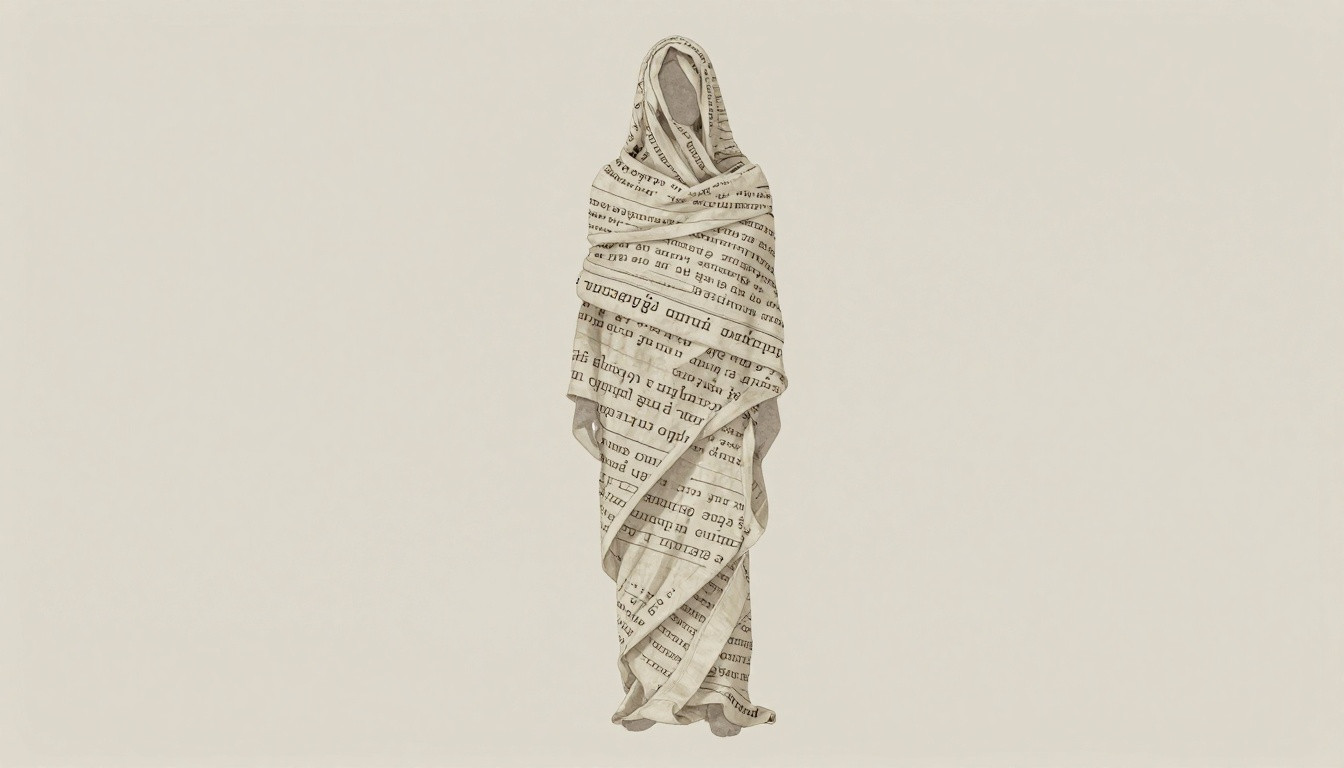
The artifact is therefore not only a linguistic treasure. It is also a reminder of how museums gather strange, layered lives into single objects.
A book.
A body.
A burial.
A collector’s purchase.
A scholarly revelation.
One object, many histories.
The deeper lesson
The Liber Linteus is compelling because it defeats our usual sense of what counts as a library.
We imagine books surviving because someone protected them.
But this one survived because someone destroyed its original form.
We imagine knowledge being preserved by scholars.
But this knowledge was preserved by burial practice, dry air, and accident.
We imagine lost languages vanishing in silence.
But here, Etruscan kept speaking from the surface of a mummy.
Accidental Archive
- ·Mummy wrappings
- ·Reused parchment
- ·Pottery fragments
- ·Wall inscriptions
- ·Scrap paper in book bindings
You want to understand how fragile knowledge survives through ordinary, practical reuse rather than careful preservation.
The past is full of these reversals.
What people saved on purpose is only one part of what reaches us. The rest comes through fire, sand, rubbish pits, shipwrecks, sealed rooms, and mistakes.
The Liber Linteus is not just a rare text.
It is a lesson in humility.
We do not inherit the past in order. We inherit what survived the journey.
A small way to read artifacts differently
Next time you see an ancient object, do not ask only, “What is it?”
Ask:
What had to happen for this object to reach me?
Think about material, climate, reuse, trade, burial, accident, and the people who handled it before it became “history.”
That question changes the object.
A fragment becomes a traveller.
A wrapper becomes a manuscript.
A corpse becomes a library.
Final takeaway
The longest Etruscan text survived not as a monument, but as a shroud.
That is the beauty of the story. And the discomfort of it.
A language nearly lost to time endured because its book was cut apart, repurposed, buried, bought, studied, and finally recognised.
Not all archives look like archives.
Some are wrapped around the dead.
If this resonates, see how to apply it to your own work with the interactive Dispatch agent.
Be first to like this dispatch