The Economics of Attention
Attention isn’t just a mindset—it’s an economic resource that gets spent, drained, and—when engineered well—compounded. This dispatch series unifies around one question: how do we design ideas, writing, and action pathways so readers keep investing? The result is a practical set of frameworks you can use to earn trust, reduce friction, and turn understanding into behaviour.
Earn attention by making ideas verifiable, effortless to process, and ready to act on.
Parts connect through a shared framework you can revisit and cross-reference across the wider archive.
Series Structure
The series unfolds in phases. Read in order to feel the system tighten and pay off.


In This Series
Best read in order. Each phase sharpens the one before it.
Currency + clarity basics
Sets the attention-economics frame and installs clarity as the first competitive lever, from pricing focus to cutting cognitive tax.
The Attention Currency: Why Your Focus Is the Only Asset That Matters
Treat attention like a real currency, not time you can safely budget. When you spend it poorly, you don’t just waste minutes—you end up with attention bankruptcy by noon.

The Hidden Tax on Your Reader's Brain
Every unclear sentence quietly drains your reader’s attention like a micro-tax; strip away the fog and your ideas finally travel.

The Clearest Thinker Wins: Why Clarity Beats Content
The clearest thinker in the room doesn't need the best ideas. They need the most precise ones. While others hoard complexity like a badge of honor, the clear thinker has already mo…
Cut, compress, and engineer the read
Turns writing quality into measurable mechanics by compressing density, sharpening signal, and pacing cognition through hooks, load engineering, and the reader’s attention curve.
The Compression Skill: How to Turn Dense Ideas into Diamond-Sharp Insights
We've mapped the attention landscape and watched clarity beat volume. Now we crack the code that separates thinkers who merely know from those who spread: the ability to shrink com…

The Attention Curve: Where Minds Wander and How to Keep Them
Within seconds of opening an article, readers silently decide whether to stay or leave. Learn to read—and rewrite—the invisible curve that determines who makes it to your final line.
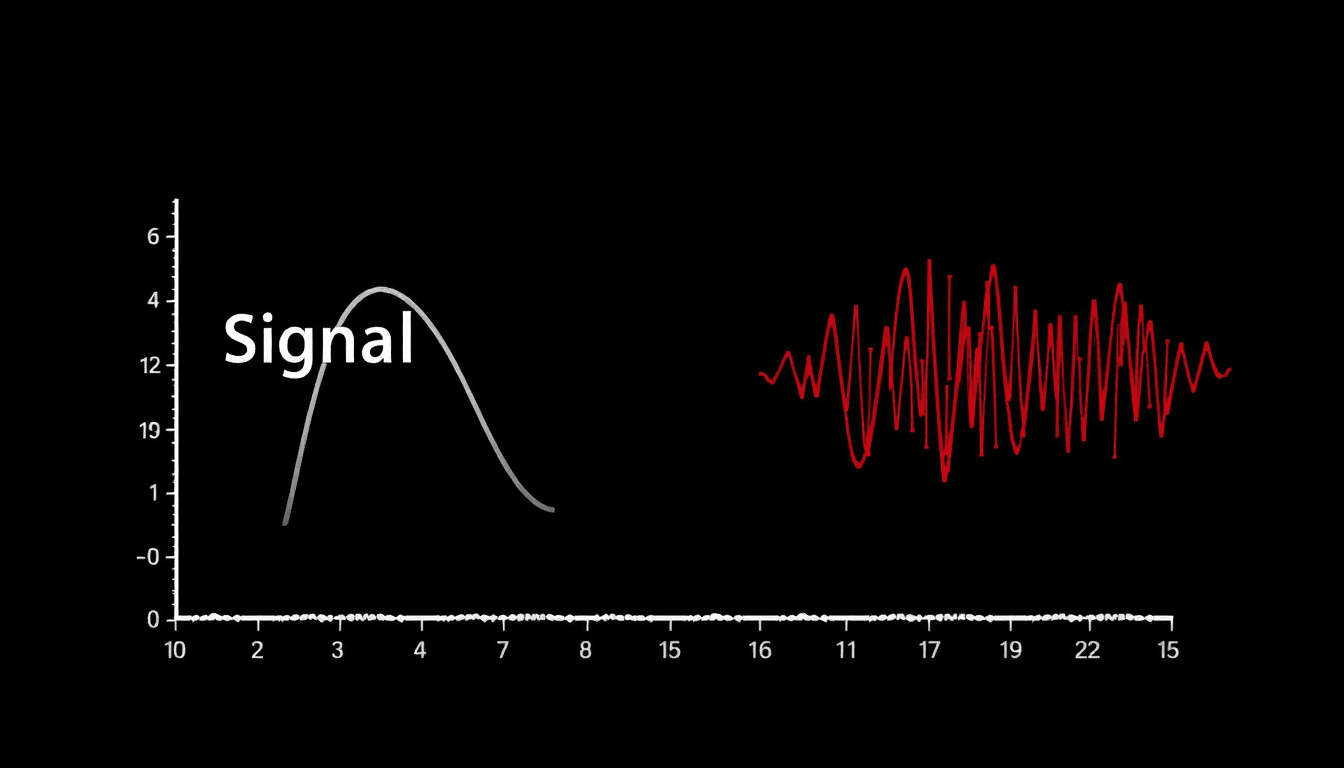
Signal, Then Silence: How to Cut Content Until It Matters
Most content fails because it tries to do too much at once, burying the reader’s attention in noise. This playbook shows how to cut ruthlessly until every sentence shifts what the reader thinks—and what they do next.
The First 5 Seconds: How Content Wins (or Dies) Immediately
Most content doesn’t lose later—it loses in the first five seconds, before readers can trust you. Learn the three checks that determine whether they pause, lean in, and keep reading.

Cognitive Load Engineering: Make Complex Ideas Feel Effortless
When readers struggle, it’s usually not because the idea is too complex—it’s because their working memory is doing too much at once. Cognitive load engineering paces, segments, and structures information so understanding feels effortless.
Compound value over time
Shifts from single-pass impact to durability—designing for re-reads and verification so trust and leverage accumulate instead of draining.
The Re-read Effect: Designing Content That Earns Returning Attention
Great content earns a second life when it’s designed to be re-read—because attention is only paid twice when the work has more to reveal. Build layers, retrieval hooks, and reference usefulness so returning readers can find new value immediately.

The Authority Illusion: Why “Sounding Smart” Costs Attention
When writing tries to “sound smart,” it can quietly drain the reader’s attention—without making the ideas clearer. The fix is to trade performance for grounded verification the reader can actually use.
From insight to behaviour
Closes the loop by converting attention and comprehension into action using cue, friction drop, first play, and feedback.