Earn attention by making ideas verifiable, effortless to process, and ready to act on.

Previous · Part 4
The Compression Skill: How to Turn Dense Ideas into Diamond-Sharp Insights
Next · Part 6
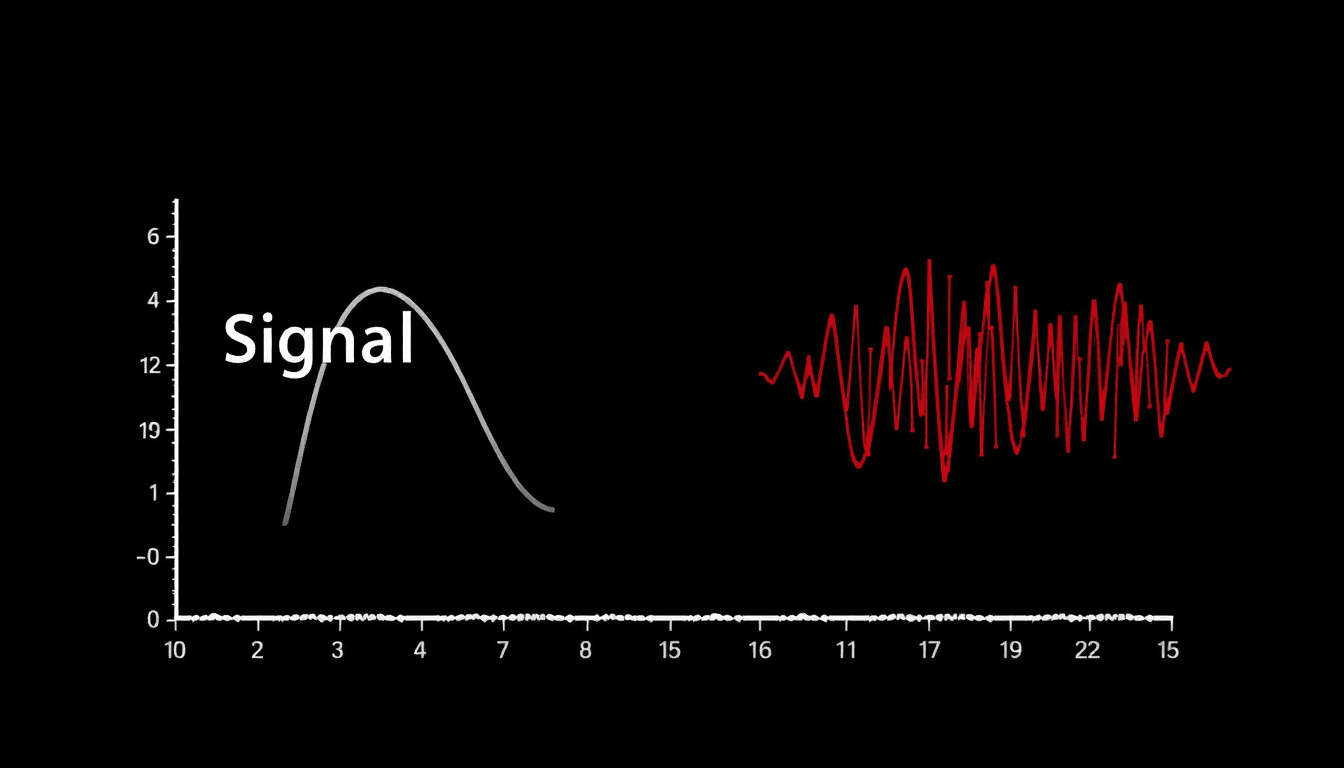
Signal, Then Silence: How to Cut Content Until It Matters
This builds on Part 4: The Compression Skill: How to Turn Dense Ideas into Diamond-Sharp Insights
Continue with Part 6: Signal, Then Silence: How to Cut Content Until It Matters
The moment someone opens your article, a silent countdown begins.
Not on a clock—on their interest. Within seconds, their brain is already scanning for reasons to leave. Most writers never notice this happening. They focus on what they want to say, not on the invisible curve that determines whether anyone will still be reading by the time they say it.
The attention curve isn't a metaphor. It's a measurable pattern you can see in your analytics, feel in your writing, and—if you understand it—bend to your will.
The Anatomy of a Drop-Off
Every piece of content has a heartbeat. When you map reader engagement second-by-second, you see the same shape again and again: a sharp initial spike, a gentle plateau, then either a controlled descent or a cliff-edge drop.
Diagram: Hook leads to Peak Interest; Peak Interest leads to Plateau; Plateau leads to Decision Point; Decision Point leads to Deep Engagement; Decision Point leads to Abandonment.
Diagram: Hook leads to Peak Interest; Peak Interest leads to Plateau; Plateau leads to Decision Point; Decision Point leads to Deep Engagement; Decision Point leads to Abandonment.
The difference between the two paths isn't luck—it's engineering.
Where Readers Actually Leave
Look at your scroll-depth data. You'll see the same three danger zones, every time:
Most writers pour their energy into the opening. Smart writers design for all three zones.
The Engagement Engine
Holding attention isn't about tricks or gimmicks. It's about understanding what the brain craves at each stage of the journey.
The Three-Phase Attention Engine
- ·Netflix binge-worthy series
- ·Viral Twitter threads
- ·Academic papers that get cited for decades
Continue reading with a subscription
Explorer and Immersion subscribers get full access to all premium dispatches, series, and long-form guides.
If this resonates, see how to apply it to your own work with the interactive Dispatch agent.
Be first to like this dispatch