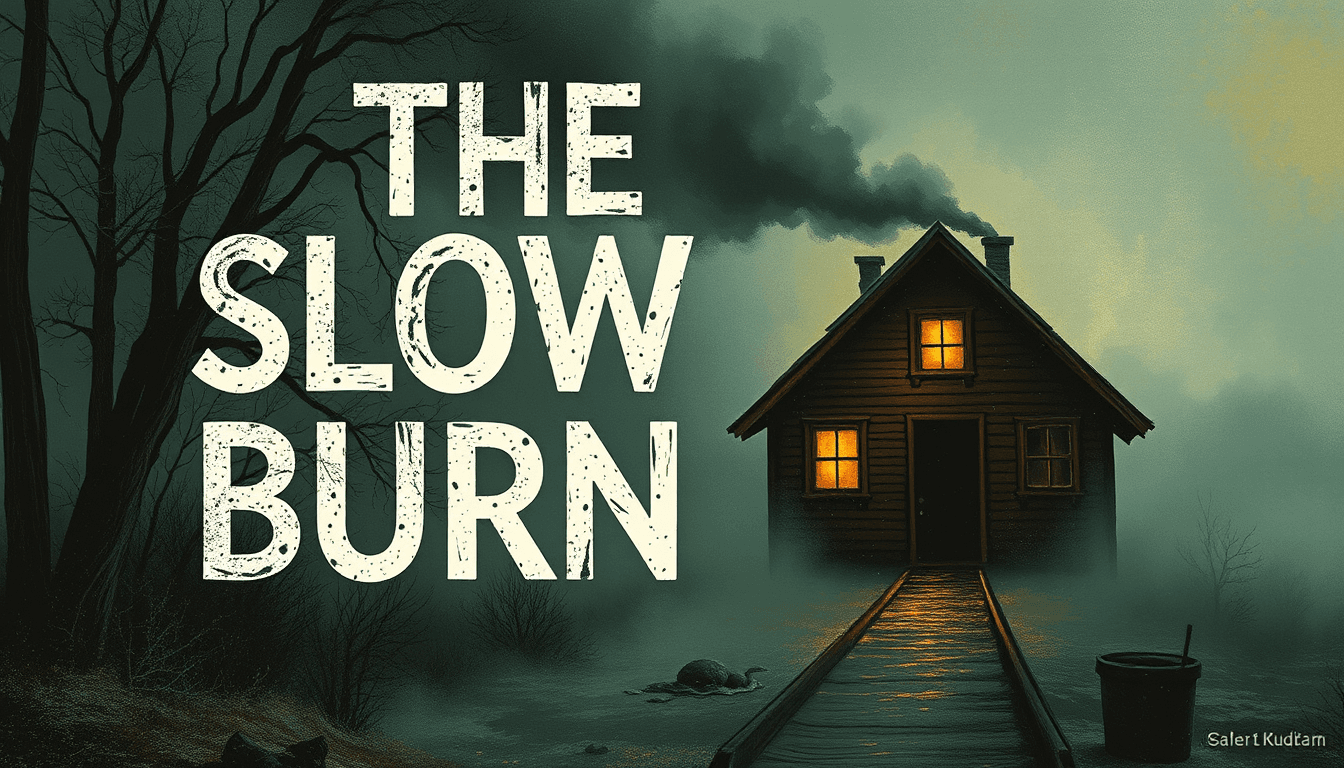
Human experience is engineered by inner states—so the next move starts with naming the condition.

Previous · Part 11
Hope as a Navigation System for the Future

Next · Part 13
Belonging: How “We” Builds Your “I”
This builds on Part 11: Hope as a Navigation System for the Future
Continue with Part 13: Belonging: How “We” Builds Your “I”
Resentment
Resentment is what happens when a problem doesn’t just hurt you once—it stays unresolved in your inner world. It’s the sensation of being owed something. And worse: it starts to feel like you’re the only one who can see the bill.
The engine: perceived unfairness
Resentment begins with a comparison.
Not necessarily a rational one. Often it’s raw and immediate:
- “They got away with it.”
- “I did the work; they took the credit.”
- “They chose differently than I would have, and it benefited them.”
At first, the feeling can even be intelligent. Your psyche is detecting a mismatch between effort and outcome. The trouble arrives when that mismatch becomes identity—when “unfair” hardens into “I was the victim” and then into “I am the one who was denied.”
The compounding loop
Unfairness is a moment. Resentment is a process.
The compounding usually follows a familiar arc:
- You register the loss.
- You interpret it as deliberate, avoidable, or biased.
- You rehearse it to make sense of it.
- You widen it into a pattern (“this is who they are,” “this is how life works”).
- You lose your freedom—because your attention becomes owned by the offense.
How resentment steals agency
Resentment doesn’t only react to events. It quietly changes your choices in the present.
It can show up as:
- Withholding help, warmth, or cooperation.
- Over-policing your boundaries—because you’re bracing for more loss.
- Waiting for the other shoe to drop, even when nothing is happening.
- Performing goodwill while feeling inwardly hostile.
- Turning your future into a courtroom where you’re both judge and plaintiff.
The story that resentment tells
Resentment is persuasive. It gives you a clear villain and a clear moral posture. That clarity feels like safety.
But the story has a quiet side effect: it shrinks the number of possible explanations.
When resentment is in charge, ambiguity feels like betrayal. Nuance feels like you’re conceding. Complexity feels like moral weakness.
What you’re actually defending
Under resentment there’s often something more precise than anger:
- Dignity (“I shouldn’t have to beg for basic respect.”)
- Recognition (“My effort mattered.”)
- Security (“This can happen again.”)
- Fairness (“Outcomes should reflect contribution.”)
The emotion isn’t random. It’s protecting a value.
The trap is that resentment defends the value by locking you to the injury.
The two clocks: then and now
Resentment keeps time in two modes:
- Then: the moment the unfairness occurred.
- Now: the present, where you’re still paying interest.
The psychological cost isn’t only the emotion. It’s the ongoing allocation of energy to a past event. Resentment charges your attention like a tax, then claims it’s paying for justice.
Disentangling: from “unfair” to “actionable”
A useful shift is to move from interpretation to leverage.
That doesn’t mean excusing what happened. It means deciding what resolution is possible—whether that resolution is external (repair, apology, limits) or internal (meaning, boundaries, reorientation).
Here’s the question that breaks the spell:
What do I control that changes the situation going forward?
If the answer is “nothing,” resentment will keep gnawing—because the mind will keep bargaining with an outcome it can’t obtain. If the answer includes a next step, resentment can metabolize into clarity.
When resentment becomes moral identity
Some people don’t just carry resentment—they become it. It becomes a badge: “I’m the one who sees.” The grievance offers belonging in its own hard way: it connects you to a worldview where you’re right, vigilant, and awake.
That’s why resentment can feel virtuous. But vigilance can become a cage.
The work: closure without erasure
“Closure” doesn’t have to mean forgetting. It can mean:
- Naming what happened without granting it the power to govern today.
- Making boundaries explicit.
- Seeking repair when repair is possible.
- Accepting when repair isn’t.
- Choosing relationships based on current behavior, not past injury.
Resentment hates this work because it reduces the grievance’s leverage. But it’s the only way back into authorship.
A practical inner audit
Sometimes resentment is loud. Often it’s quiet—present as irritation, distance, cynicism, or “I’ll handle it later.”
This audit helps you find where the loop is active:
Where is your resentment currently “earning” something for you—certainty, protection, moral clarity, attention, or control?
What would you lose if you stopped replaying the story? What would you gain by acting on what’s possible now?
Takeaway
Resentment is the mind trying to keep fairness from disappearing. The cost is that it keeps the injury alive. The way out isn’t denial—it’s resolution: action, boundaries, and meaning that belong to the present.
If this resonates, see how to apply it to your own work with the interactive Dispatch agent.
Be first to like this dispatch