
The Great Human Conditions I — States That Shape Experience
15 dispatches about the human conditions that shape how we perceive, decide, and relate—often before we realize we’re doing it. Across states like uncertainty, envy, shame, grief, belonging, fatigue, and discipline, a single thread holds: interpretation and internal signals quietly steer experience. Understanding that steering matters because it gives us leverage—diagnose the condition, name what’s happening, and choose the next move with more accuracy.
Human experience is engineered by inner states—so the next move starts with naming the condition.
These essays build toward a wider archive of practical frameworks for attention, meaning, and choice.
Series Structure
The series unfolds in phases. Read in order to feel the system tighten and pay off.

In This Series
Best read in order. Each phase sharpens the one before it.
How signals get edited
Introduces uncertainty, envy, and boredom as information states the mind interprets—then gives early “turn the fog into motion” tools for each.
Uncertainty, Not Chaos: How Clarity (and Lack of It) Shapes Experience
Uncertainty is a condition, not a defect Uncertainty doesn’t only describe what you don’t know. It also describes how your mind behaves while knowledge is absent. When clarity is m…

Envy: The Comparison Engine That Turns Want Into Status-Alarm
Envy isn’t just a feeling—it’s a fast, invisible system that turns comparison into a status judgment. Learn how it hijacks desire, inflates dissatisfaction, and what to do when the “gap” becomes your scoreboard.

The Creative Gravity of Boredom
Boredom is not empty. It’s charged. Boredom is what happens when the mind meets low stimulation and has to decide what to do with the extra room. That “room” can erode attention—or…
Drive, identity, and inner judgment
Builds from ambition and desire into shame, attention, and grief—showing how stronger interpretations rewrite identity and restructure lived meaning.
Ambition Without Illusion: How Drive Rewrites Identity
Ambition is a compass… until it becomes a cage Ambition begins as motion. It’s the part of you that says: not yet, not like this, not for long. It’s energy with direction. It turns…

Shame as Social Gravity: How Perceived Judgement Shapes Identity
Shame doesn’t just point out what went wrong—it tries to define who you are. Learn how perceived judgement turns into identity, shapes your behavior, and how to challenge the verdict in real time.
Attention Is Reality’s Loading Screen
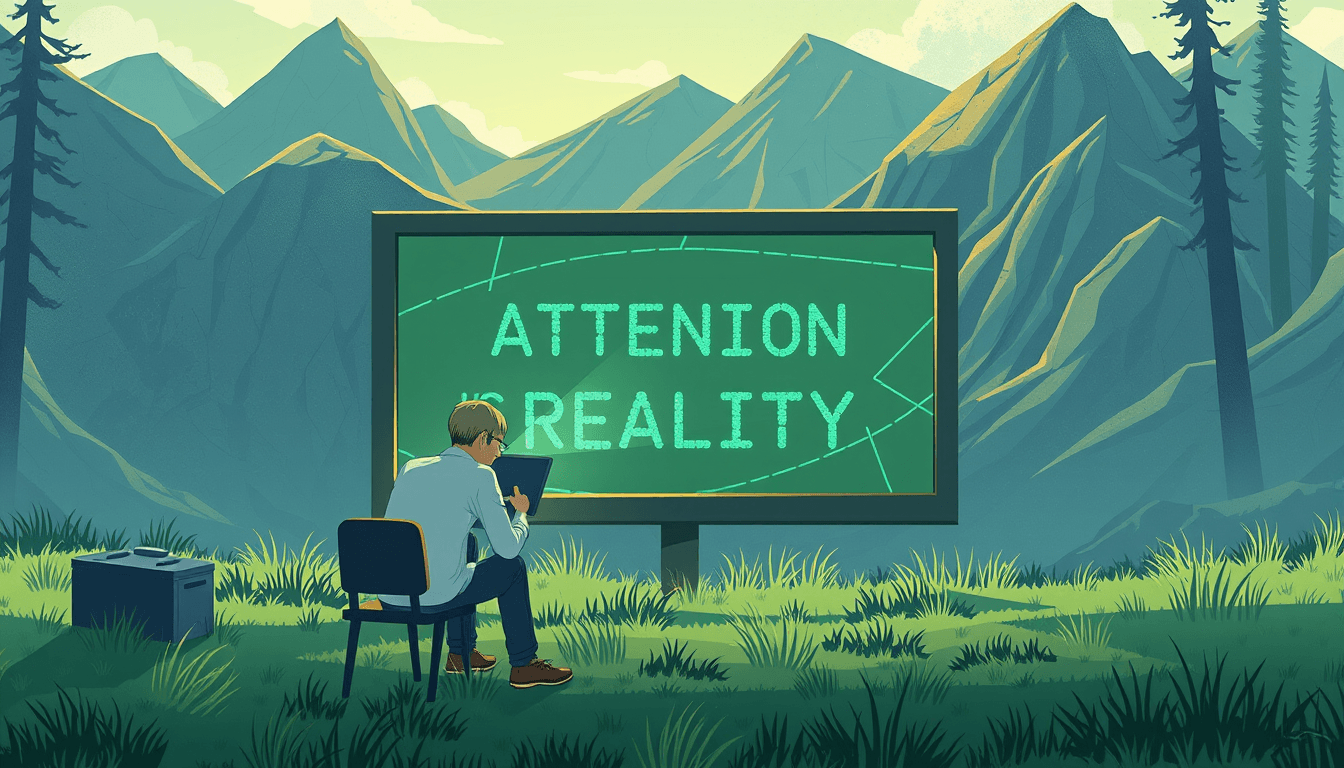
Attention Attention is not a single thing you “have.” It’s an engine that decides what counts as real—moment by moment. When your attention locks onto a stimulus, the world doesn’t…
Grief Rewrites the Map: How Loss Changes Meaning, Memory, and Identity
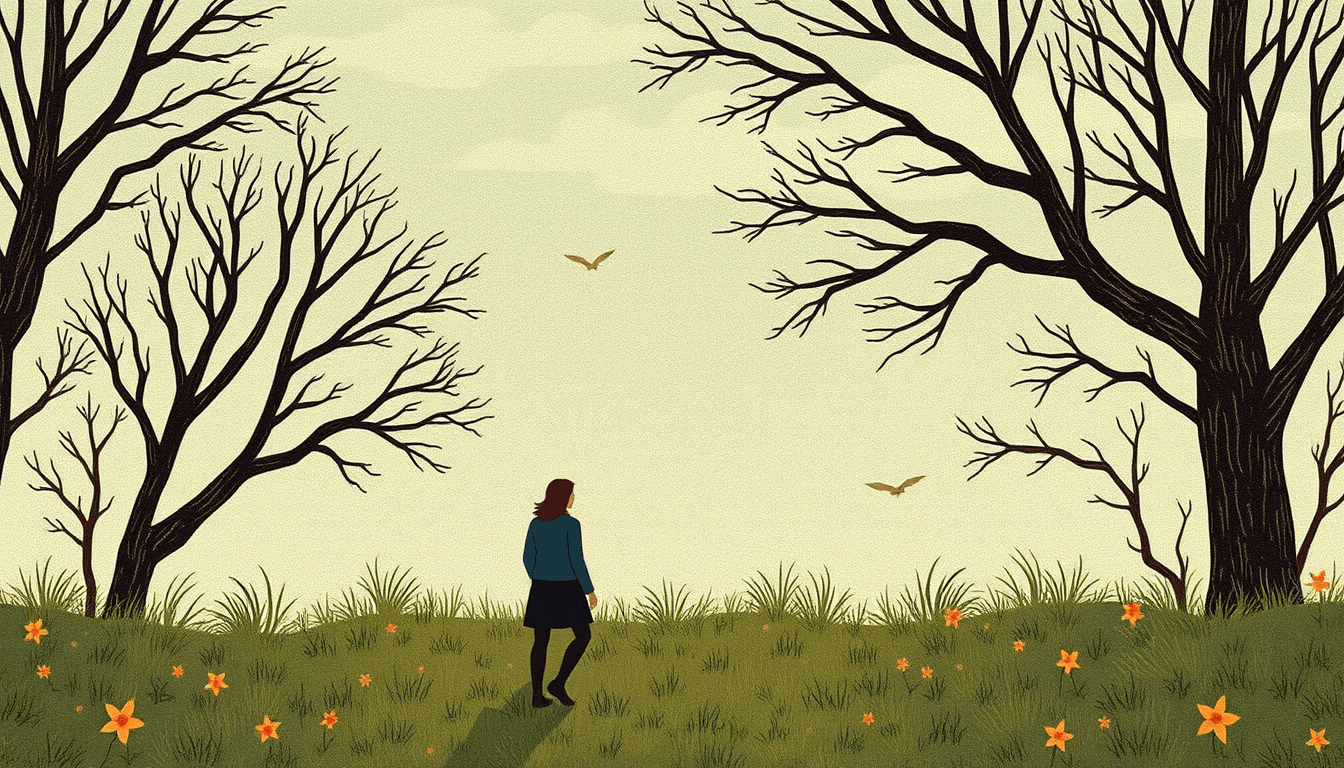
When loss stops being an event—and becomes a weather system Grief begins as something that happened. It ends up feeling like something that has entered your world. In the beginni…
Relational calibration
Shifts the focus outward as desire and loneliness lead into doubt, hope, resentment, and belonging—mapping how timing, fairness, and recognition alter social experience.
Desire Without Drama: How Wanting Shapes Action, Perception, and Satisfaction
Desire: the Engine That Edits Reality Desire is not simply a feeling you have. It’s a selection mechanism. It decides what matters, what seems urgent, and what your mind will bothe…

Loneliness Is the Gap Between Connection and Perceived Connection
Loneliness Loneliness isn’t the absence of people. It’s the absence of felt contact. Two people can sit in the same room and experience radically different realities: one feels met…
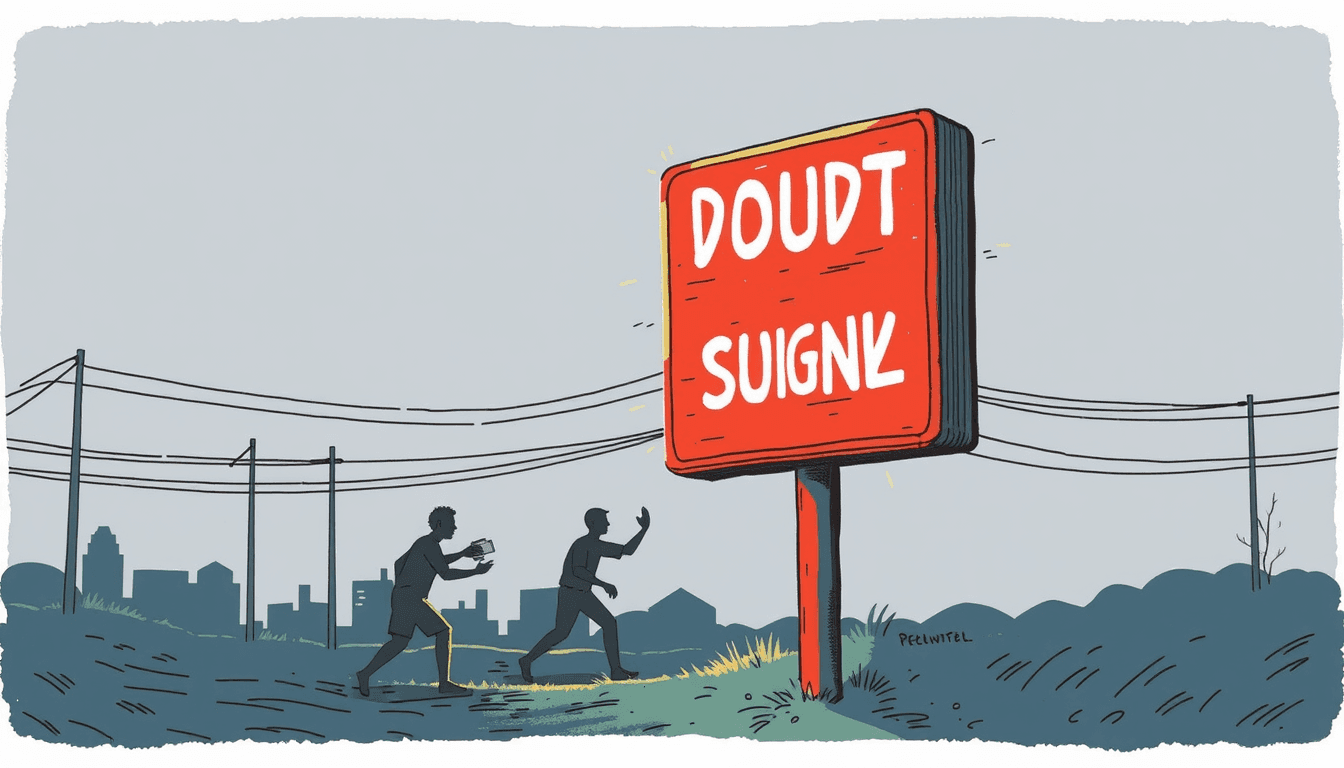
Doubt as a Signal: Turning Uncertainty Into Forward Motion
When doubt shows up, it’s usually trying to protect something Doubt is not simply “negative thinking.” It’s a state—an interior weather system—that changes what you notice, what yo…
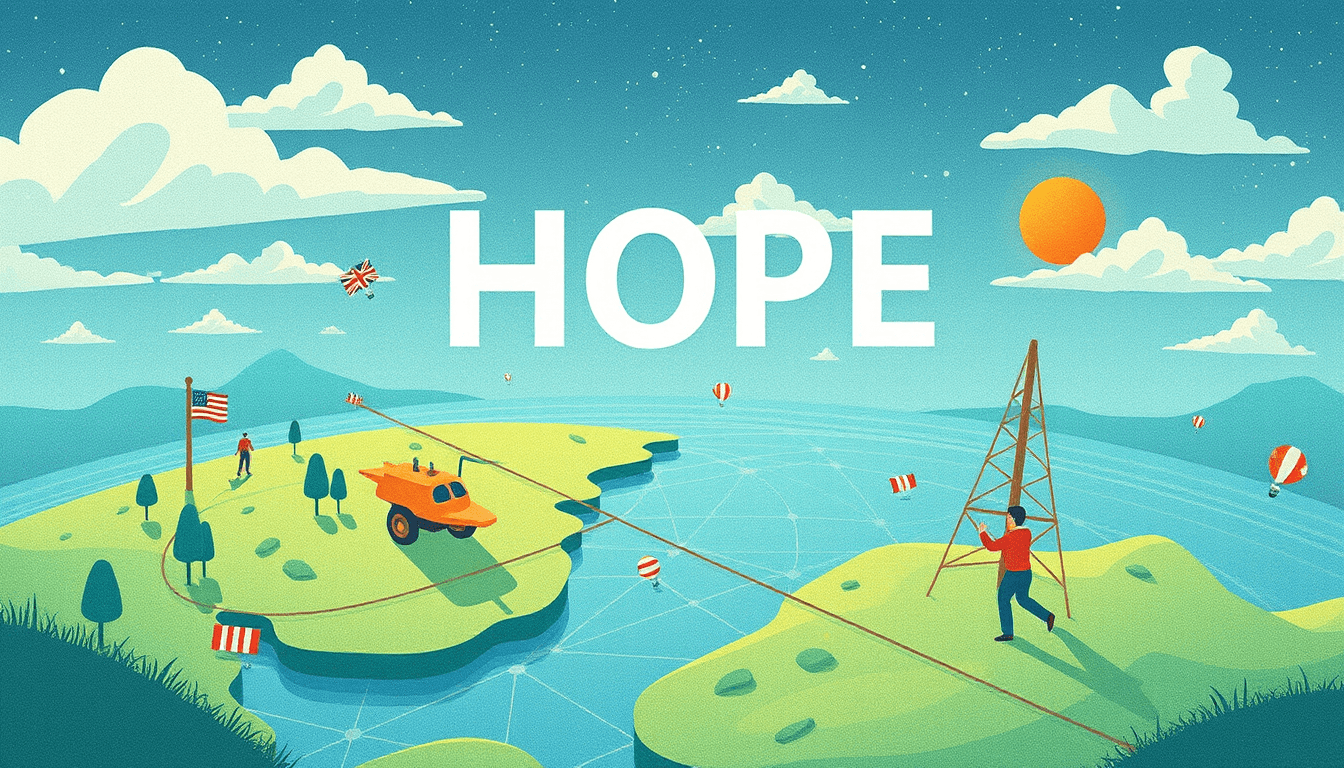
Hope as a Navigation System for the Future
Hope Hope isn’t a mood you either have or don’t have. It’s an orientation—an internal GPS calibrated toward what might become true. Not wishful thinking. Not naïve optimism. Hope i…

Resentment as a Time Machine: How Unfairness Becomes a Self-Fulfilling Story
Resentment Resentment is what happens when a problem doesn’t just hurt you once—it stays unresolved in your inner world. It’s the sensation of being owed something. And worse: it s…

Belonging: How “We” Builds Your “I”
Belonging Belonging is the quiet architecture beneath your choices. Not just “having friends,” not just “feeling included.” Belonging is the felt sense that your presence makes sen…
When capacity changes the story
Closes by reframing fatigue as a low-bandwidth weather system that distorts judgment, then consolidates the series’ practical orientation into discipline as mood-independent effort.
Fatigue’s Quiet Tyranny: How Depleted Energy Rewrites Judgment
Fatigue Fatigue is not just “being tired.” It’s a state that changes how the world gets processed—slimming your options, shrinking your patience, and turning complex decisions into…

Discipline Is a Weather System: Building Effort That Doesn’t Wait for Mood
Discipline Discipline is what happens when your effort stops asking permission from your feelings. Not “be intense all the time.” Not “crush yourself.” Discipline is simpler and ha…