Clarity is leverage: subtract friction until your truth becomes repeatable, ownable, and actionable.
Previous · Part 8
The Grave of Good Ideas

Next · Part 10
The Economics of a Better Explanation
This builds on Part 8: The Grave of Good Ideas
Continue with Part 10: The Economics of a Better Explanation
We often mistake language for a vessel—a simple container meant to carry an idea from our mind to another’s. We treat it like a delivery truck, hoping the cargo arrives intact.
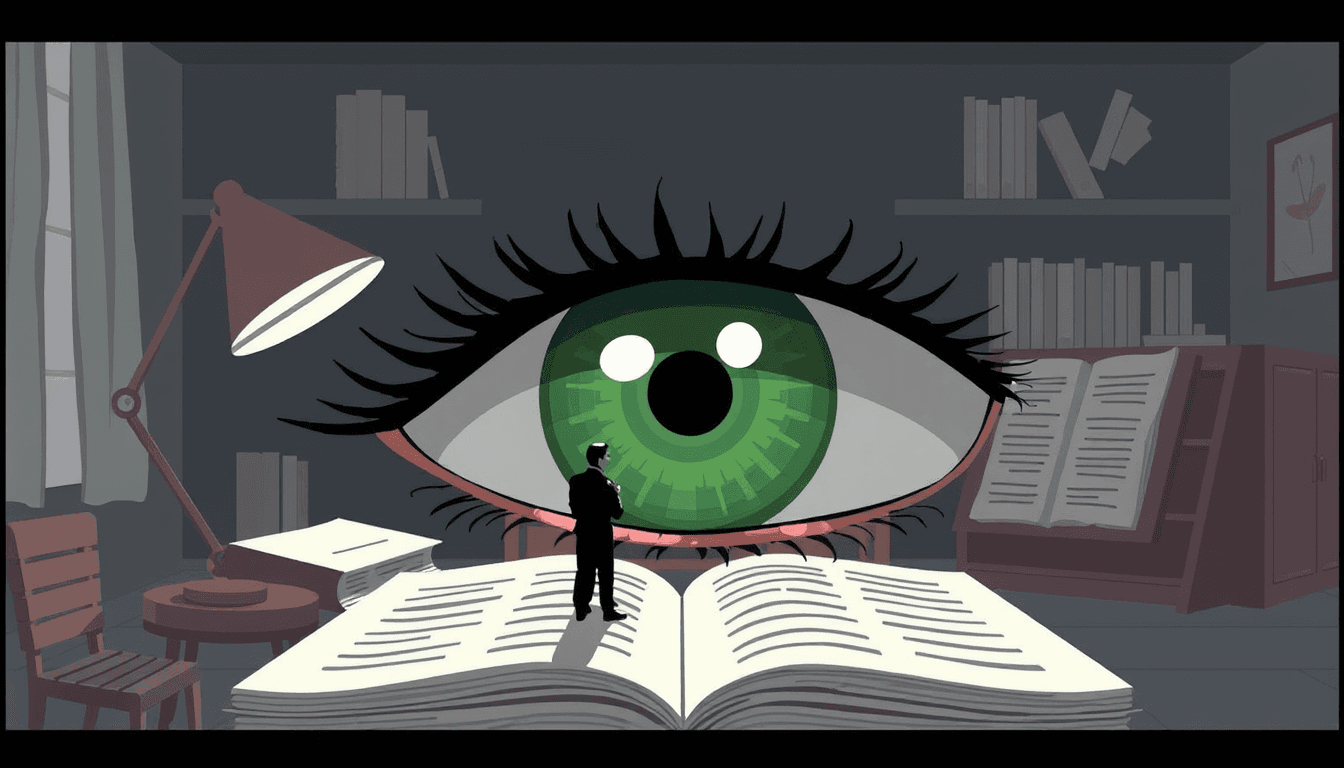
But language isn't just transport. It is an optic. Depending on how you phrase a thought, you either widen the aperture or close it entirely. You choose what stays in focus and what slips into the peripheral blur.
The Anatomy of a Frame
When you select a word, you are performing a triage on the reader's attention. Consider the difference between describing a project as "in progress" versus "in development." The former suggests a static state; the latter implies movement, velocity, and evolution.
Diagram: Raw Idea leads to Choose Phrasing; Choose Phrasing leads to Reader Disengages (Passive); Choose Phrasing leads to Reader Sharpens Focus (Active); Reader Sharpens Focus leads to Interpretation.
Diagram: Raw Idea leads to Choose Phrasing; Choose Phrasing leads to Reader Disengages (Passive); Choose Phrasing leads to Reader Sharpens Focus (Active); Reader Sharpens Focus leads to Interpretation.
The interpretation changes because the phrasing dictates the narrative arc. If you frame a setback as "an iteration," the reader interprets it as a step forward. If you phrase it as "a failure," they interpret it as an end.
Adjusting the Aperture
To manipulate how people notice and interpret your work, you must be intentional about the verbs and adjectives that define the boundaries of your claim.
"We are working on a new software update that aims to fix the bugs users reported last month."
Techniques for Precision
If you want your writing to direct focus, you must strip away the modifiers that diffuse the intent. Most "smart-sounding" language is actually just a layer of fog.
Follow this sequence when auditing your drafts to ensure your phrasing isn't working against you:
Developing the Eye
Perception is rarely accidental. When you read something that immediately clicks, you aren't just consuming content; you are witnessing a masterclass in framing. The author has chosen the angle that makes their conclusion feel inevitable.
Think of a complex idea you’re working on. How would you describe it to a child versus a lead investor?
Reflect on which words change between those two versions.
Audit Your Current Output
Use this checklist to ensure your phrasing is working as an optic rather than a veil.
Precision isn't about being clinical; it’s about being kind. When you phrase your thoughts clearly, you save the reader the effort of guessing your intent. You give them the map, the compass, and the lens. You stop them from wandering, and instead, you invite them to see.
If this resonates, see how to apply it to your own work with the interactive Dispatch agent.
Be first to like this dispatch