Your outcomes aren’t missing—you’re misallocating attention, clarity, and decisions along the way.
Previous · Part 4
Cognitive Overload: Why You Stall Even When You Care
Next · Part 6
Reduce Thinking Noise Until Choices Become Obvious
This builds on Part 4: Cognitive Overload: Why You Stall Even When You Care
Continue with Part 6: Reduce Thinking Noise Until Choices Become Obvious
Habits Don’t Fail—Environments Do
Willpower is a beautiful myth with a hidden bill. You don’t notice the cost when the days are easy. You feel it when you’re tired, stressed, hungry, late, or surrounded by cues that quietly steer you.
The result: you start thinking something is wrong with you.
It isn’t.
The Real Mechanism: Friction, Cues, and Defaults
Your habits don’t break in a dramatic moment. They erode through tiny, repeated defaults.
- Cues show up uninvited (phone, desk clutter, the open tab).
- Friction increases just enough to make the right action feel “later.”
- Defaults take over when decisions pile up (what you do after work, before bed, on weekends).
So what looks like a willpower collapse is often a systems collapse.
Why Willpower Collapses (Even for Disciplined People)
Willpower fails for three predictable reasons.
1) Decision fatigue turns choices into avoidance
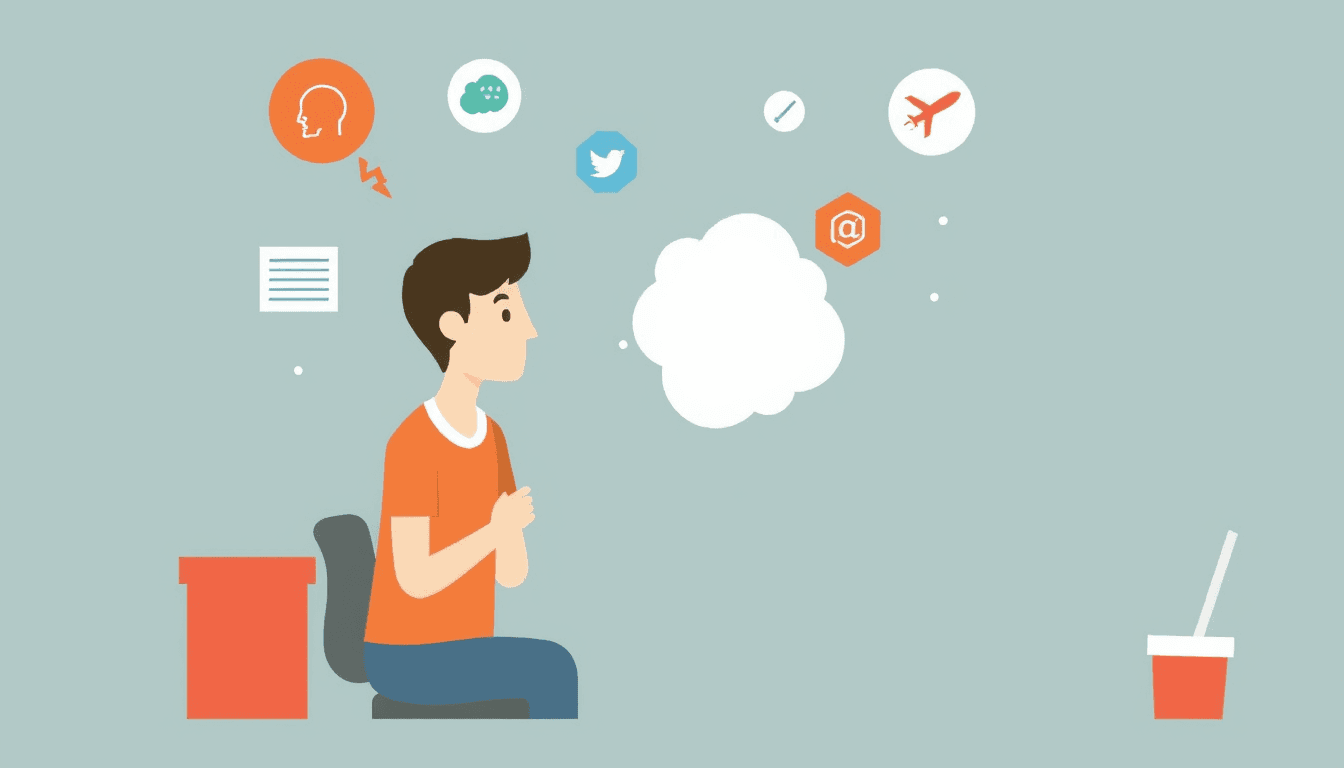
Every “should I?” is a decision. And when decisions stack, your brain stops evaluating and starts autopiloting.
You don’t fall because you chose wrong once. You fall because your brain chooses fast.
2) Stress narrows your behavior to what’s easiest
When your nervous system is activated, your tolerance for effort shrinks. Comfort becomes persuasive. Novelty becomes louder than goals.
This is why the same plan can work on a calm Tuesday and fail on a Monday that punched you in the face.
3) Context keeps rewriting the meaning of your goal
Goals are abstract. Context is immediate.
If your environment keeps offering “cheap rewards” (scrolling, snacks, noise), your goal loses on realism—not on logic.
Environments Decide What Happens Next
Think of your day as a set of zones:
- morning
- commute / transition
- work blocks
- evenings
- wind-down
Each zone carries its own inputs: objects, alerts, people, routines, and emotional temperature.
Your habits are just the most frequent responses inside those zones.
So the question isn’t: “How do I become stronger?”
The question is: “What does my environment keep rewarding?”
A Practical Diagnostic: Where Do You Lose the Thread?
Let’s turn this into something you can actually use.
You’re looking for the zone where the pattern breaks, not the trait you wish you had.
When you find the zone, you’ve found the lever.
The Fix: Architecture, Not Motivation
You don’t need more reminders. You need different defaults.
Here are environment moves that work because they remove battles from the arena.
Make the right action the easiest action
- Put tools where you’ll need them.
- Reduce steps.
- Pre-decide the smallest version of the habit.
- Remove friction from “start.”
Make the wrong action harder to start
- Add distance (log out, move apps, remove temptations).
- Increase setup time.
- Reduce immediacy.
- Replace with a clearly better alternative.
Environment Patterns You Can Steal
The “Docking Station” (for reliable starts)
Every time you begin a desired habit, you should start with a visible cue and the correct inputs already in place.
Examples:
- workout clothes ready
- water bottle filled
- notebook open to the next page
- music playlist queued
- browser window bookmarked
The “Friction Flip” (for predictable nights)
If evenings are when willpower goes to die, design the evening so you don’t have to negotiate.
Examples:
- charge phone outside bedroom
- set devices to grayscale / do-not-disturb
- keep snacks inconvenient
- close tabs automatically
- create a “shut down” routine that ends with the right default
The “Cue Substitution” (when cravings are real)
You can’t always remove a cue. Sometimes you must swap what it triggers.
Examples:
- craving for scrolling → scheduled reading / curated feed
- stress eating → pre-portioned options + ritual beverage
- restlessness → walk route that’s “built-in” to the environment
A Simple Rule: Build for the You Who’s Having a Bad Day
You don’t need an environment that supports your best self.
You need an environment that supports your most likely self—the one who’s tired, rushed, irritated, hungry, or distracted.
Decision Tree: What Should You Change First?
If your habit keeps slipping, don’t start with willpower. Start with the lever that’s most likely responsible.
Your habit is failing—what’s the most likely culprit: cues, friction, or defaults?
Your Turn: Make the Environment Tell the Truth
Before you redesign anything, you need clarity about where the system currently points you.
Think of the last time you “meant to do the habit” but didn’t.
Where were you (the zone)? What cues were present? What was the default you followed? What would make the right action start within 10 seconds? What would make the wrong action harder to initiate?
Closing: Willpower Is a Door, Not a Wall
Willpower collapses because it was never meant to be the foundation. It’s the door you use when systems fail—but doors aren’t meant to hold the whole building.
Environments don’t just influence habits. They determine the shape of your choices—especially when you’re tired enough that “trying” becomes a vague strategy.
Your next revision isn’t another pep talk.
It’s architecture.
If this resonates, see how to apply it to your own work with the interactive Dispatch agent.
Be first to like this dispatch