
Make It Make Sense
Make It Make Sense is a dispatch series about getting unstuck by treating progress as a design problem, not a willpower problem. Across each installment, we untangle the specific loops behind distraction, overload, bad starts, and invisible progress—then offer practical systems that translate uncertainty into next actions. It matters because clearer decisions and better attention turn effort into results you can actually see.
Your outcomes aren’t missing—you’re misallocating attention, clarity, and decisions along the way.
This series connects to a larger archive of practical frameworks for turning uncertainty into action.
In This Series
Best read in order. Each dispatch builds on the one before it.

Attention Is Your Real Currency (And Your Mood Is the Receipts)
Attention Is Your Real Currency If you feel drained, distracted, and stuck, it’s rarely a mystery. Something in your attention ledger is unbalanced. Not your willpower—your attenti…

Feel-Ready Is a Mirage—Structure Is the Substitute
There’s a quiet superstition hiding inside “I’ll start when I feel ready.” It sounds self-aware. Like you’re respecting your limits. But it turns your life into a loop: you wait fo…
Confidence After Evidence: The Anti-Forcing Method
Confidence Comes After, Not Before Confidence is rarely a starting position. It’s an outcome. Not the theatrical kind—where you “just believe” and hope the world cooperates. The du…

Cognitive Overload: Why You Stall Even When You Care
Most People Aren’t Lazy—They’re Overloaded You don’t stall because you don’t care. You stall because your brain is trying to manage too many open loops at once—and action is what g…

Habits Don’t Fail—Environments Do
Habits Don’t Fail—Environments Do Willpower is a beautiful myth with a hidden bill. You don’t notice the cost when the days are easy. You feel it when you’re tired, stressed, hungr…

Reduce Thinking Noise Until Choices Become Obvious
Clarity Is a Skill You Build Thinking feels messy for a simple reason: your brain is trying to be helpful faster than it can be accurate. It collects signals. It anticipates outcom…

Undefined Priorities: The Quiet Thief of Busy People’s Days
You Don’t Lack Time—You Lack Direction Busy people don’t struggle with hours. They struggle with targets. They wake up with momentum and spend the day “handling things.” Messages. …
The Invisible Lever: Why Your Results Feel Missing (Until They Appear)
Progress Feels Slow Until It Doesn’t Most people don’t quit because they stop caring. They quit because progress refuses to look like progress—at least not in the moment they’re li…

Most Advice Is Context-Dependent (And Copying Is a Shortcut That Breaks)
Most Advice Is Context-Dependent Copying successful people feels efficient. But it’s usually a category error: you’re borrowing their behavior without inheriting their constraints,…

Better Judgement, Not More Input: The Filter Problem
You Don’t Need More Information—You Need Filters Learning more feels noble. It also feels safe. Because if you’re “still learning,” you don’t have to risk being wrong, committing, …
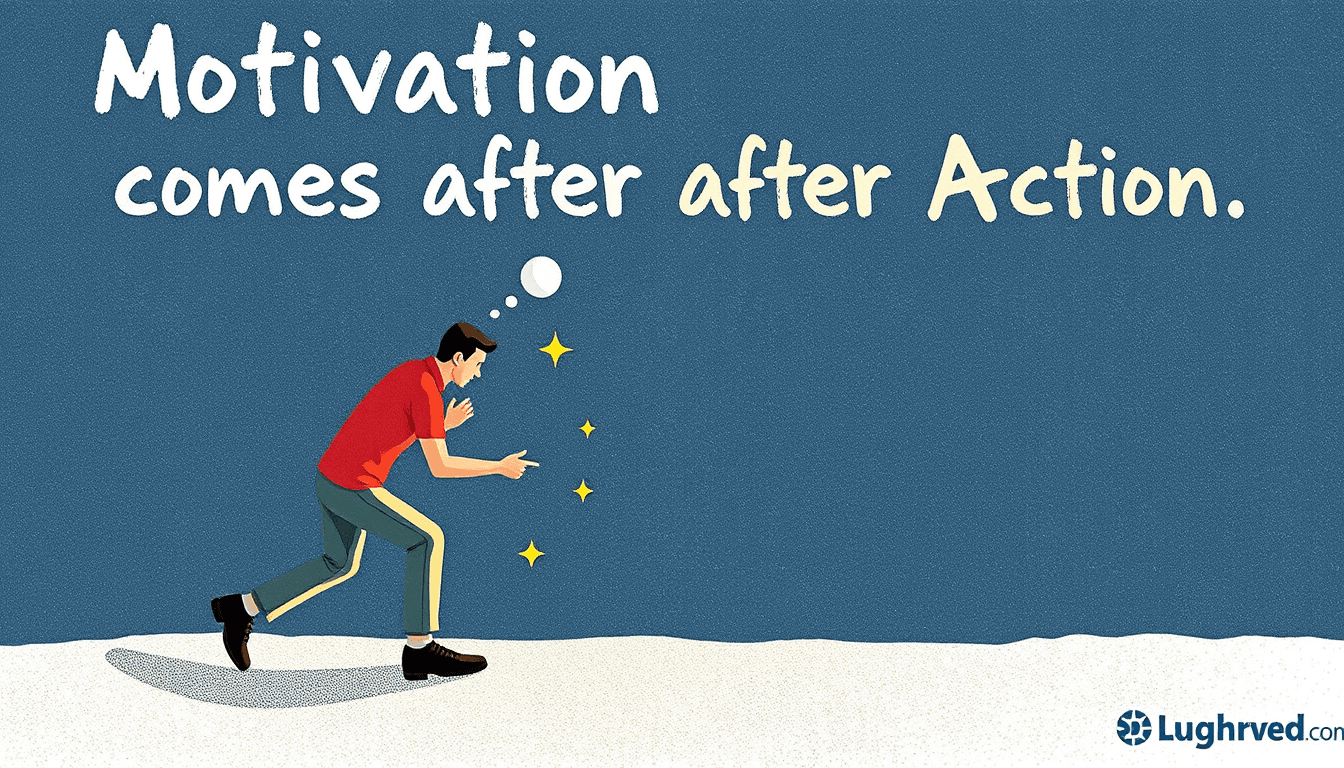
Motivation Comes After Action (Not Before)
Motivation Is a Byproduct, Not a Starting Point You don’t “find” motivation like it’s a hidden resource. You produce it—by moving through small, deliberate acts that generate evide…
Money Isn’t What You Think It Is
Most people think money is something you have. A number in a bank account. A salary. A target to reach. But that’s not how it actually works. --- The Lie People Believe Money …
Guided Path Continuation
This series is part of a larger reading route. When you reach the end here, the path continues forward.
