
The Great Ideas Series I: Core Mental Models
Volume I gathers the foundational mental models that sharpen judgement, expose distortion, and help you reason from reality rather than habit.
If your thinking is built on distortion, effort won’t fix it. This series gives you the models to see what’s actually going on.
These ideas don’t stand alone. Each one connects to a wider system of thinking across the archive—used, tested, and extended in different contexts.
Series Structure
The series unfolds in phases. Read in order to feel the system tighten and pay off.
Seeing Structure
Seeing leverage and structure Why this works: This phase teaches: → how to see properly


In This Series
Best read in order. Each phase sharpens the one before it.
Seeing Structure
Seeing leverage and structure Why this works: This phase teaches: → how to see properly
The 80/20 Lever: Finding the Minority Input That Moves Everything
The 80/20 lever reframes effort as a design constraint: a minority of inputs unlocks most outcomes. Learn to identify the structural 20% that raises your ceiling.

Occam’s Razor for Writers: Why Simpler Explanations Win
Occam’s Razor isn’t about saying less—it’s about designing an explanation that’s easier to track, test, and apply. Learn how simplicity improves attention, reduces failure points, and invites real falsification.

The Lindy Effect: Why Durable Ideas Keep Compounding
Some ideas don’t just last—they grow stronger with time. The Lindy Effect explains why what has survived so far often has more remaining power, and how to tell true fitness from mere inertia.

Second-Order Thinking: When Consequences Keep Moving
Most choices feel finished the moment the first outcome happens—but consequences ripple and reconfigure the system. Second-order thinking is the habit of asking what must happen next, so your decisions stay useful in the real world.

The Map Is Not the Territory: How Representations Distort Reality
We never meet reality directly—we meet representations like language, metrics, models, and stories. The trouble isn’t simplification, but what these maps quietly select, compress, and turn into “truth.”
Where Systems Break
How measurement, incentives, perception, and time distort behaviour and outcomes. → failure mechanics
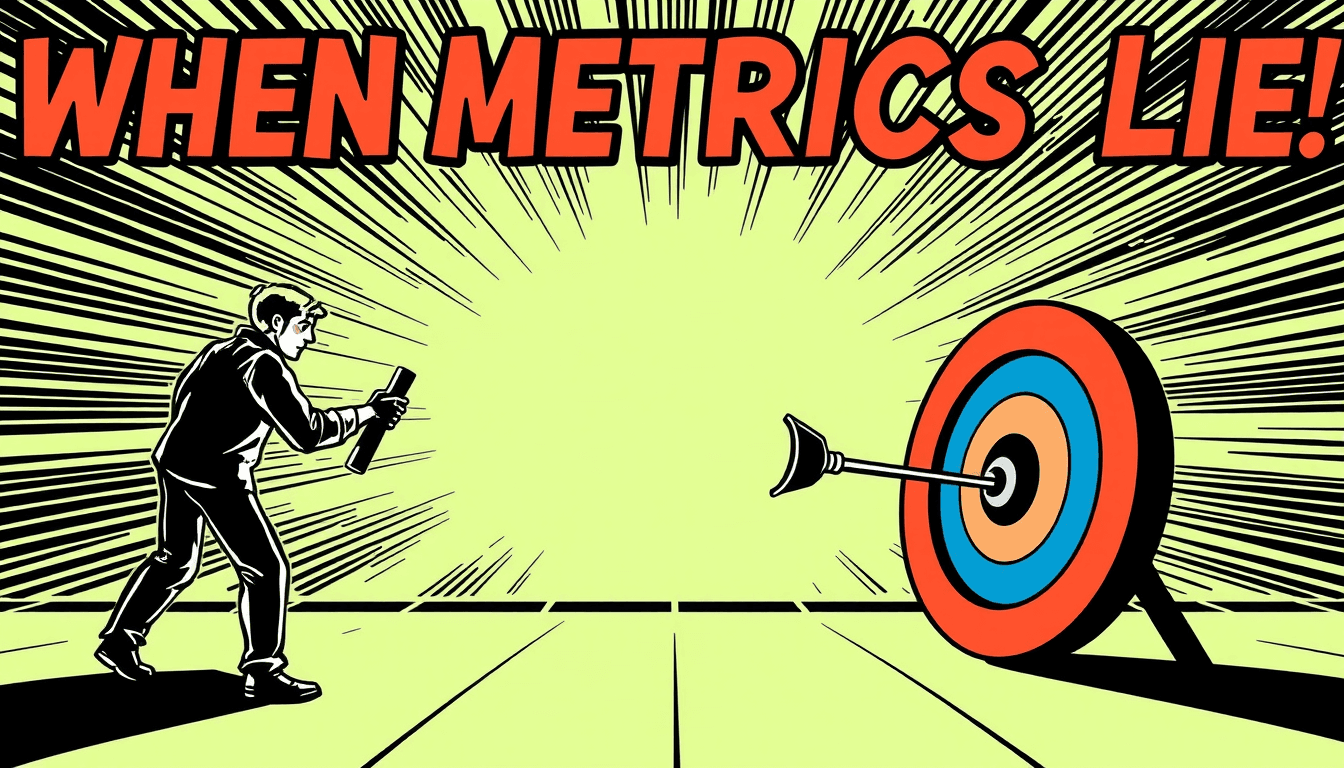
When Metrics Lie: Goodhart’s Law and the Target Trap
Once a metric becomes the goal, it stops reflecting reality and starts reshaping incentives. Goodhart’s Law explains the “target trap”—and offers practical ways to keep measurement useful, not misleading.
The Hidden Mechanics of the Commons: How Incentives Deplete Shared Resources
The tragedy of the commons isn’t about bad people—it’s about incentives that reward “one more” while costs arrive later and spread out. Once private benefits outpace public consequences, depletion becomes the rational choice.

Hanlon’s Razor: Why Incompetence Explains More Than Malice
The calmest way to reduce conflict Most people treat bad outcomes as evidence of bad intent. That’s emotionally satisfying. It also makes you systematically wrong. Hanlon’s Razor s…

The Halo Effect: How One Impression Corrupts Your Whole Model
A single first impression can quietly steer everything you believe next. Learn how the halo effect turns a clue into a whole story—and how to slow the spillover with a simple separation test.

Parkinson’s Law: How Time Expands to Fit the Container You Create
Parkinson’s Law says work expands to fill the time available—not just from laziness, but from ambiguity, incentives, and the “clock” acting like a collaborator. The fix is to define the container: clear deliverables, acceptance criteria, and real stop rules.
Errors in Judgment
How selection, confidence, and systems of promotion distort what we believe and who succeeds.
The Success Mirage: How Survivorship Bias Misreads Reality
Success rarely arrives as a full dataset—your brain only sees what survived long enough to be documented. This piece unpacks how survivorship bias turns a filtered glimpse into convincing, but misleading, certainty.

Confidence vs Competence: The Dunning–Kruger Misalignment
Confidence is cheap, but competence is earned—and the Dunning–Kruger effect explains why our self-assessments so often miss reality. Learn how to treat confidence as a prediction, then calibrate it with benchmarks, feedback, and criteria.
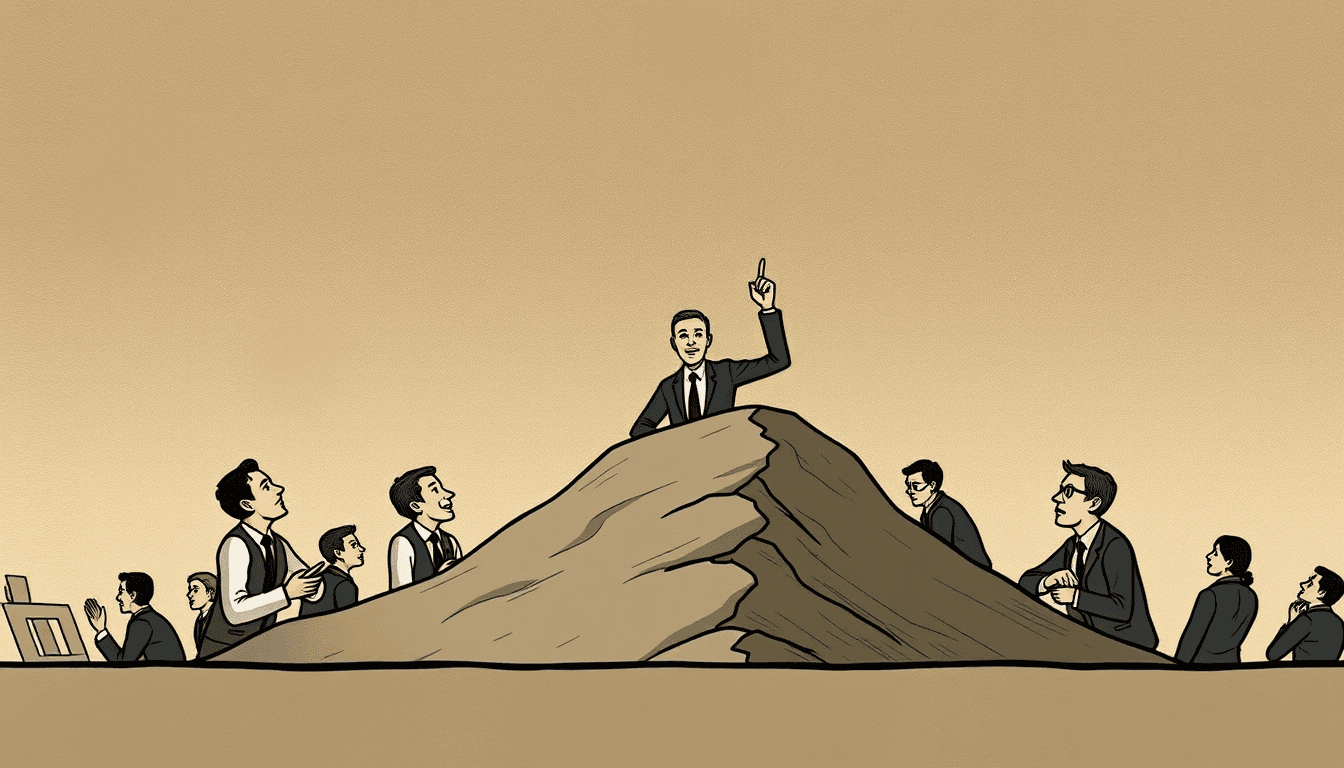
The Peter Principle: How Promotion Turns Expertise into Inefficiency
The Peter Principle predicts that promotion based on performance eventually creates incompetence—not because people change, but because roles demand different skills. Success in one lane doesn’t reliably transfer to the next.
Limits of Thinking
Where cognition breaks down—and how to rebuild thinking from constraints instead of overload.
The Information Load Ceiling: Why More Data Lowers Performance
More data can feel like progress, but it often taxes the same limited system that makes thinking possible. When cognitive load rises, performance doesn’t scale with input—it degrades.

First Principles Thinking: How to Find the Non‑Negotiables Beneath the Noise
First-principles thinking helps you cut through assumptions and noise to find the non-negotiables that your decisions can actually stand on. It’s a method for rebuilding your model from justifiable claims—so you can act with confidence.