Ownership is not a state of being, but a deliberate decision to secure your future leverage.
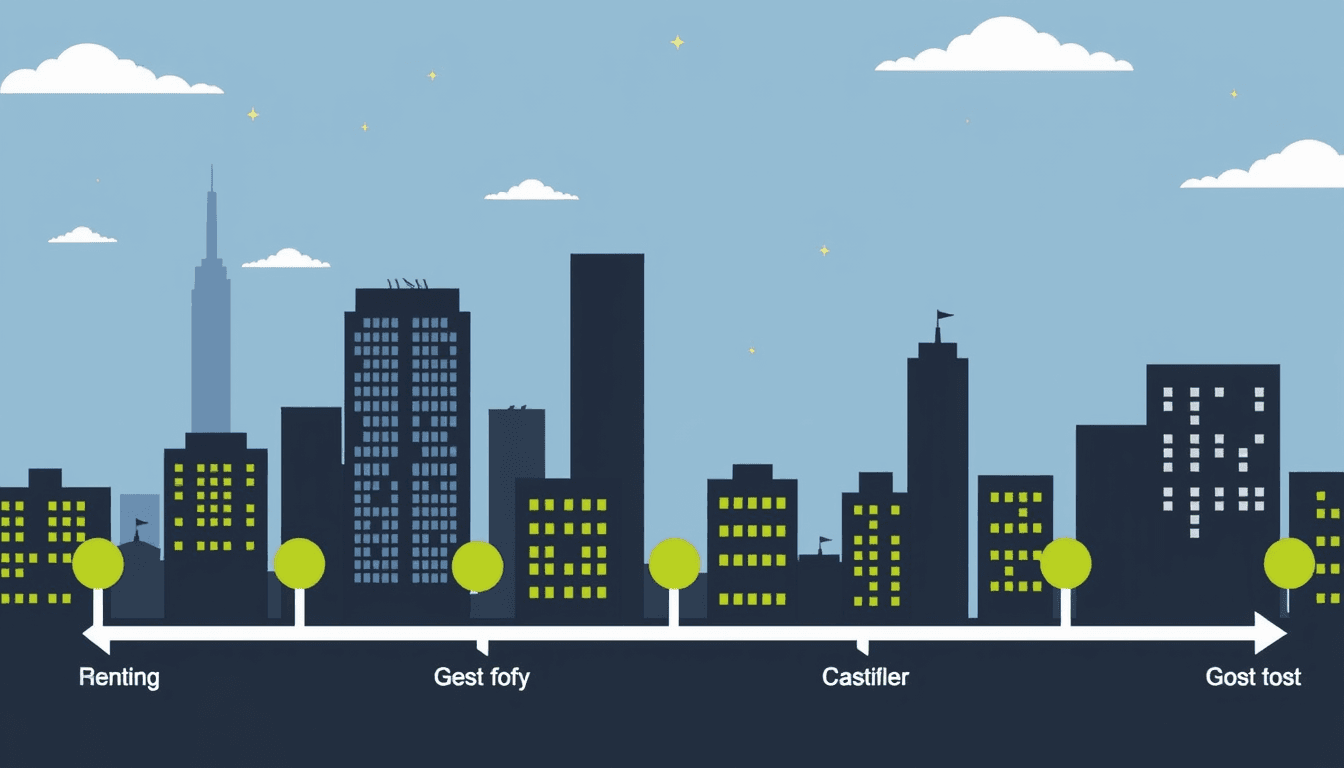
Next · Part 2
The Platform Dependency Trap: How to Protect Your Work When You Don’t Control the Rules
Continue with Part 2: The Platform Dependency Trap: How to Protect Your Work When You Don’t Control the Rules
Platforms give reach, ownership gives control
Most people treat “platform” as a tool and “ownership” as a mindset.
But here’s the real distinction: platforms rent you attention; ownership governs your decisions.
Renting: you’re buying access, not autonomy
When you publish on someone else’s platform, you’re not just using software. You’re accepting a bundle of invisible terms:
- The rules can change.
- The distribution can fluctuate.
- Your content can be reframed by the platform’s incentives.
- Your future options can shrink quietly—until you notice you can’t do what you used to.
Renting is not “bad.” It’s efficient.
It’s also conditional. You’re valuable to the platform insofar as you produce behavior that benefits them. Your access lasts only as long as they want your kind of output.
Owning: you build the system that survives your absence
Ownership is what remains after reach stops.
It’s the difference between:
- “People can find me” (platform reach)
and - “People can keep finding me even when the algorithm doesn’t feel like it” (owned control).
Ownership shows up as infrastructure:
- Your own audience channel(s)
- Your own archive of work
- Your own product or service delivery path
- Your own customer relationship layer
This isn’t about ego. It’s about leverage.
A practical map: where each model lives
Use this lens to locate what you actually control.
Diagram: Platform Reach leads to Discovery; Platform Reach leads to Engagement; Ownership Control leads to Distribution; Ownership Control leads to Retention; Ownership Control leads to Monetization; Ownership Control leads to Direction.
Diagram: Platform Reach leads to Discovery; Platform Reach leads to Engagement; Ownership Control leads to Distribution; Ownership Control leads to Retention; Ownership Control leads to Monetization; Ownership Control leads to Direction.
Platform-first work tends to optimize for discovery and engagement.
Ownership-first work tends to optimize for retention, monetization, and direction.
Neither guarantees success. But one protects you against the most common failure mode: being unable to change course.
The core trade: speed vs stability
Renting usually wins on time-to-start.
Ownership usually wins on long-term resilience.
The trap isn’t renting. The trap is mistaking rented reach for owned presence.
Here’s how that confusion typically looks:
- You build your identity around where attention comes from.
- You measure progress by signals you don’t control.
- You treat audience growth as guaranteed because you “did it once.”
- You delay building the owned channel because the platform is working… for now.
A simple rule for deciding what to rent and what to own
Ownership doesn’t mean “never use platforms.”
It means: use platforms for distribution, and own the outcomes they point toward.
What to own first (so you’re not starting over later)
If you don’t know where to begin, start with the pieces that convert attention into continuity.
Ownership priorities often look like this:
- A durable audience channel (something you can message without asking permission)
- A durable home for your work (an archive you control)
- A durable path to outcomes (a product, service, or offer you can deliver consistently)
Quick self-audit: how rented is your work?
If you want a fast read on your current position, run this checklist.
If you’re strong in some areas and weak in others, that’s normal. The goal isn’t perfection. It’s clarity.
The ownership baseline
Part 1 of this series is simply the foundation:
- Platforms rent reach.
- Ownership gives control.
And control isn’t abstract. It’s the ability to keep making decisions when the environment shifts.
Your practical takeaway
If this resonates, see how to apply it to your own work with the interactive Dispatch agent.
Be first to like this dispatch