
Standalone podcast
The Permission Trap
Simon and Sammie examine why people wait for approval long after they have become capable of making their own decisions, and how to move without confusing courage with recklessness.
Simon & Sammie · About 8 min
Listen here and keep browsing. Your place is saved.
Read the conversation
Simon
The invisible green light
Have you ever written an email, then left it open because you were waiting for some invisible person to approve the wording? Not a judge, not a bank manager—just a vague sense that you should be allowed to press send.
Sammie
That pause is the permission trap. It can appear before publishing an idea, challenging a decision, or trying a new approach at work. The strange part is that the authority we are waiting for may not exist anymore.
Simon
And it is worth saying what this is not. Hesitation does not prove someone is timid or incapable. Often, the mind has encountered uncertainty and is searching for a familiar way to make uncertainty disappear: find the person in charge.
Sammie
The habit usually began for sensible reasons. A small child needs boundaries. ‘Don’t touch that’ and ‘wait for me’ can protect them. But the child may also absorb a broader lesson: independent action brings trouble, while compliance brings safety.
Simon
How the habit is installed
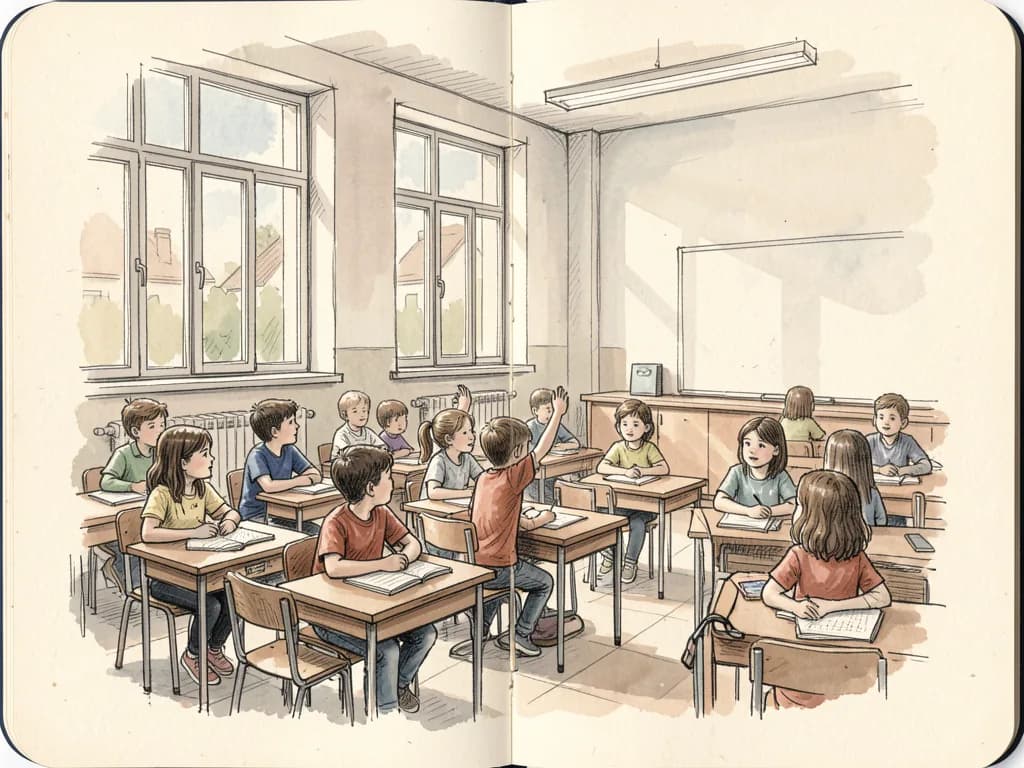
School can strengthen it. You sit in rows, speak when called on, follow the assignment, and submit the answer for evaluation. That teaches knowledge and discipline, but it can also make success feel like pleasing the person with the gradebook.
Sammie
Then the names change. The teacher becomes a manager, the grade becomes a performance review, and the bell becomes the working day. Early on, asking for approval may be wise: you are learning which decisions are costly or irreversible.
Simon
The trouble is that the habit can survive the original need. You gain experience, become the person with the relevant context, and still write a proposal asking whether it would be appropriate to build a prototype.
Sammie
Or you schedule a meeting to discuss the feasibility of scheduling another meeting. It feels responsible because preparation is visible. Yet sometimes the committee is simply replacing a decision with more discussion.
Simon
When old safety rules survive
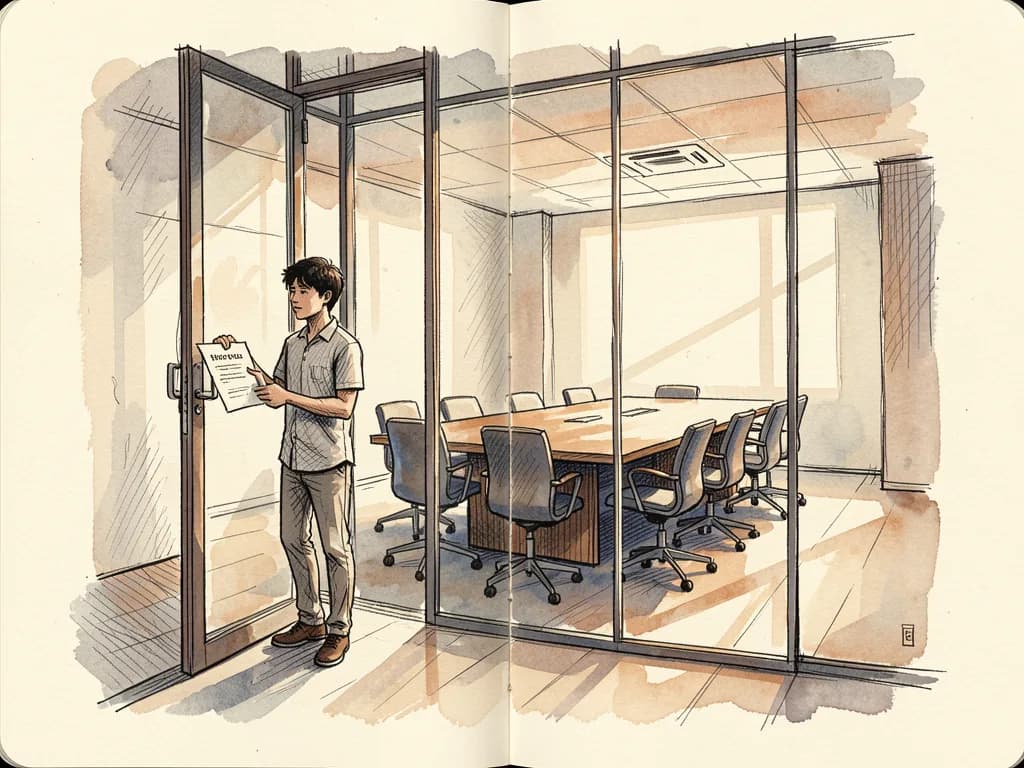
Why is it so persistent? Because it once worked. Asking first reduced punishment. Following the process reduced blame. Waiting for instructions lowered risk. The nervous system may continue treating a rejected idea as if it were expulsion from the group.
Sammie
That is a context error: applying an old safety rule to a different adult situation. A public mistake can feel enormous, even when the likely consequence is a brief embarrassment, a lost afternoon, or useful information.
Simon
This does not mean risk is imaginary. If you launch a product, you might lose money. If you publish, people may dislike it. The point is to measure the consequence rather than worship a vague cloud of danger.
Sammie
And the old voices can remain after the original people have left the room: a cautious parent, a disapproving teacher, an exacting manager, or an imagined expert. They combine into an internal committee that rarely says no outright.
Simon
The internal committee
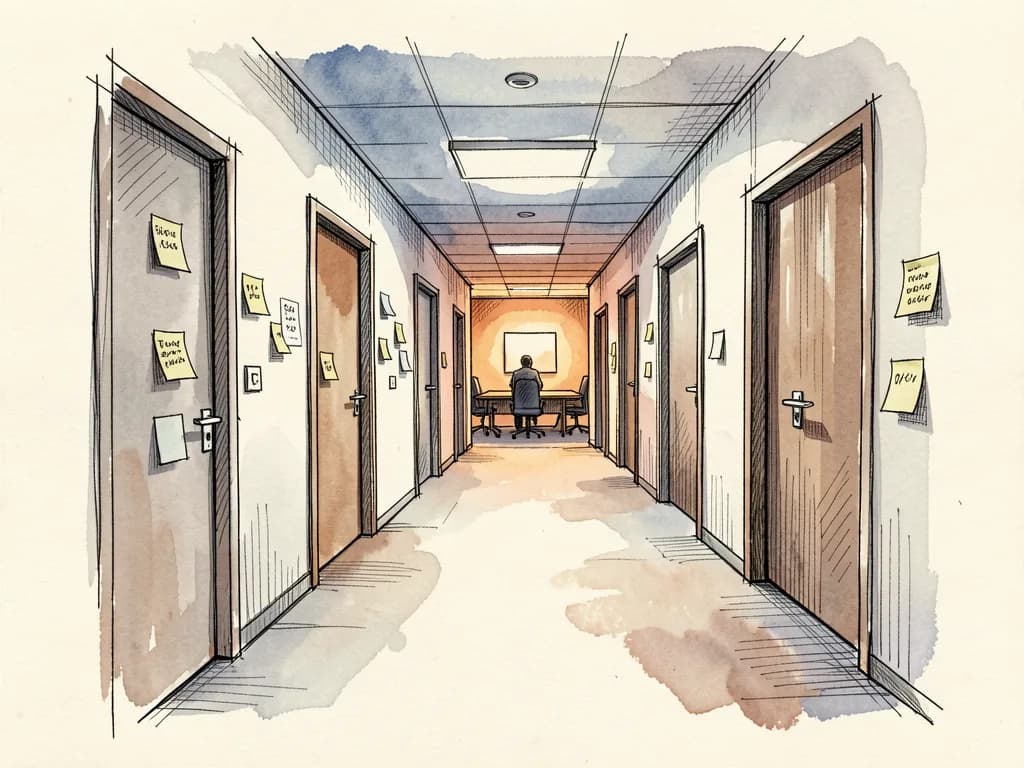
Instead, it adds conditions. More research. A better brand. Another qualification. A perfect plan. It sounds prudent, but it can keep an ambition permanently in rehearsal.
Sammie
Picture someone with a useful offer. They design a logo, refine a business plan, and prepare a presentation before speaking to one potential customer. None of that is worthless, but none answers the basic question: will the offer help anyone?
Simon
So the first useful question is, ‘Who am I trying to please?’ That answer matters. A customer can provide evidence. A legal requirement is a real constraint. But ‘professional people might disapprove’ may be an invented audience.
Sammie
Sometimes the audience is a composite character. No single person demanded perfection, yet several old judgments have blended into one stern committee. Naming that mixture helps separate present obligations from inherited hesitation.
Simon
Measuring the real consequence
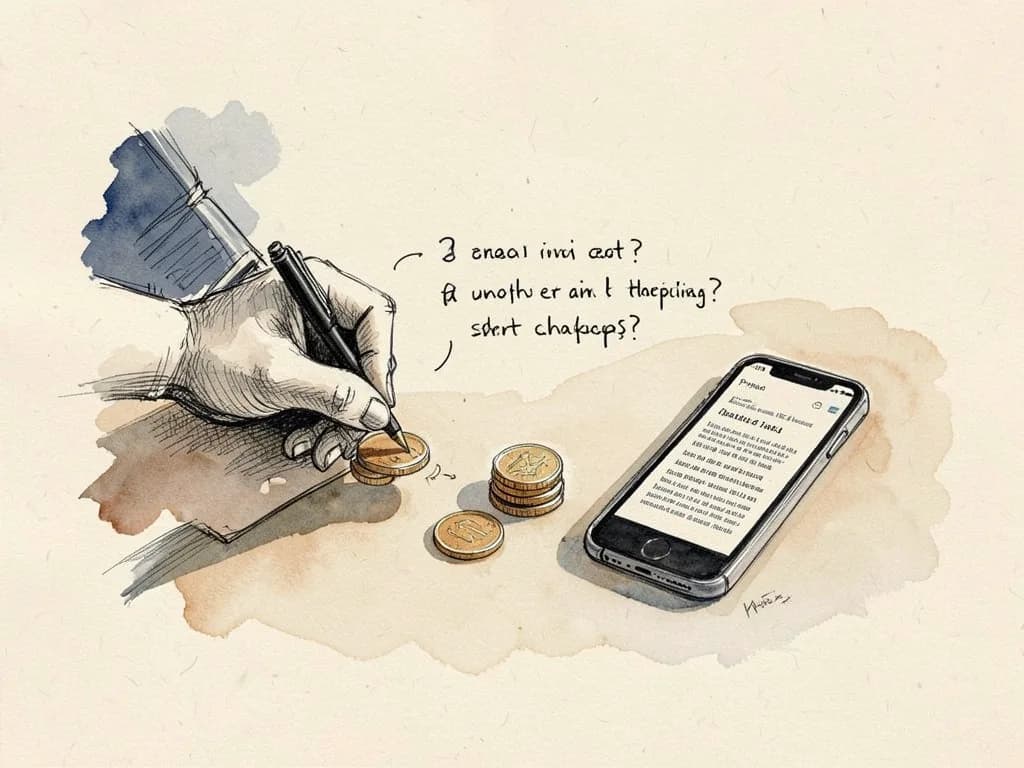
The second question is more concrete: what exactly happens if I act? If an article receives no readers, there may be disappointment and information. If a test costs money, specify how much, whether it can be repaired, and what it would teach.
Sammie
Specific consequences often become smaller than the atmosphere around them. You are not pretending the choice is safe. You are giving the risk edges, a probability, and a possible recovery.
Simon
Then ask whether the rule is real or inherited. Is there a law, contract, policy, or genuine obligation? Or is it simply ‘not how things are done’? Those are not equivalent barriers.
Sammie
A credential may be required for one kind of professional work, but not for every useful conversation. An introduction may help, but it is not automatically a condition of contact. We should show ourselves the rulebook.
Simon
Real rules and painted lines
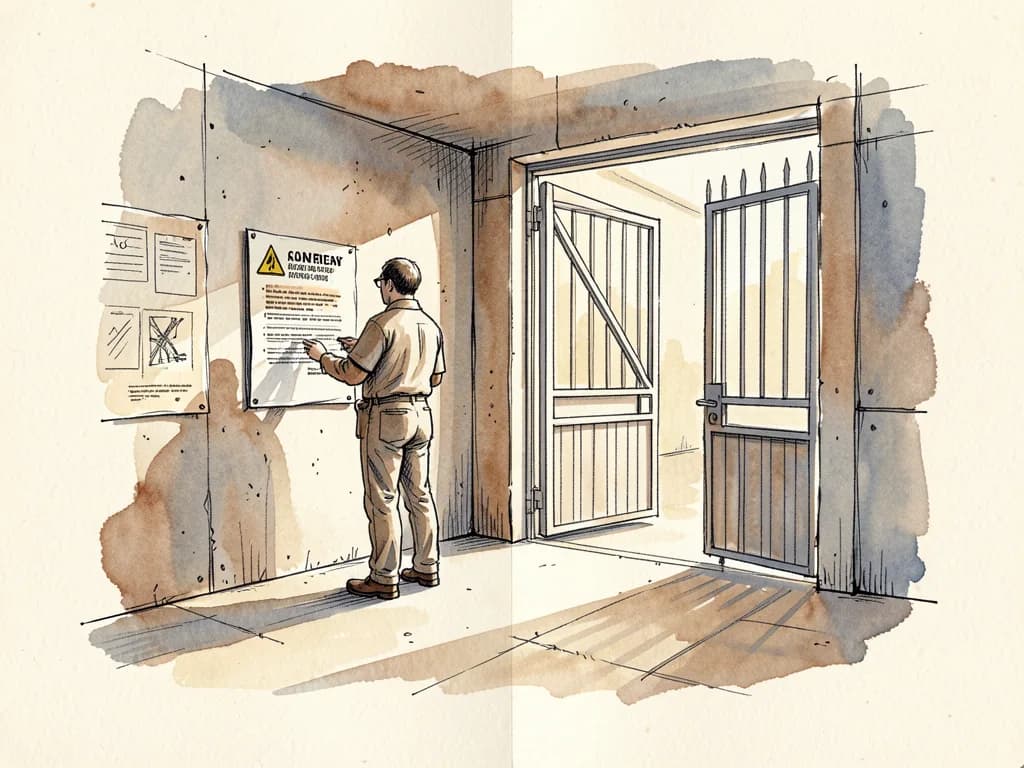
Waiting has costs beyond delay. It can mean missing a changing opportunity, but it can also weaken your confidence in the next decision. Each time you hand over a choice you own, reassurance becomes more necessary.
Sammie
That is why endless preparation can feel productive while producing nothing. You can complete the homework for a class that does not exist, hoping someone will eventually guarantee the result.
Simon
The alternative is not reckless independence. It is a change in language and ownership. Instead of asking, ‘Is it okay if I try this?’, say, ‘I’m going to try this to solve a specific problem, and I’ll share the result Friday.’
Sammie
That statement gives other people something concrete to respond to. It also leaves room for correction. You are taking responsibility for a reversible decision, not claiming omniscience.
Simon
There is an important distinction here. Seek information when someone knows something you need. Seek approval when the decision genuinely belongs to them. But do not disguise fear as collaboration by asking someone else to carry a choice that is yours.
Sammie
And expect discomfort. The internal alarm may sound because you are breaking an old safety protocol. Fear is not always evidence of present danger; sometimes it is evidence that the situation is unfamiliar to your conditioning.
Simon
From asking to owning
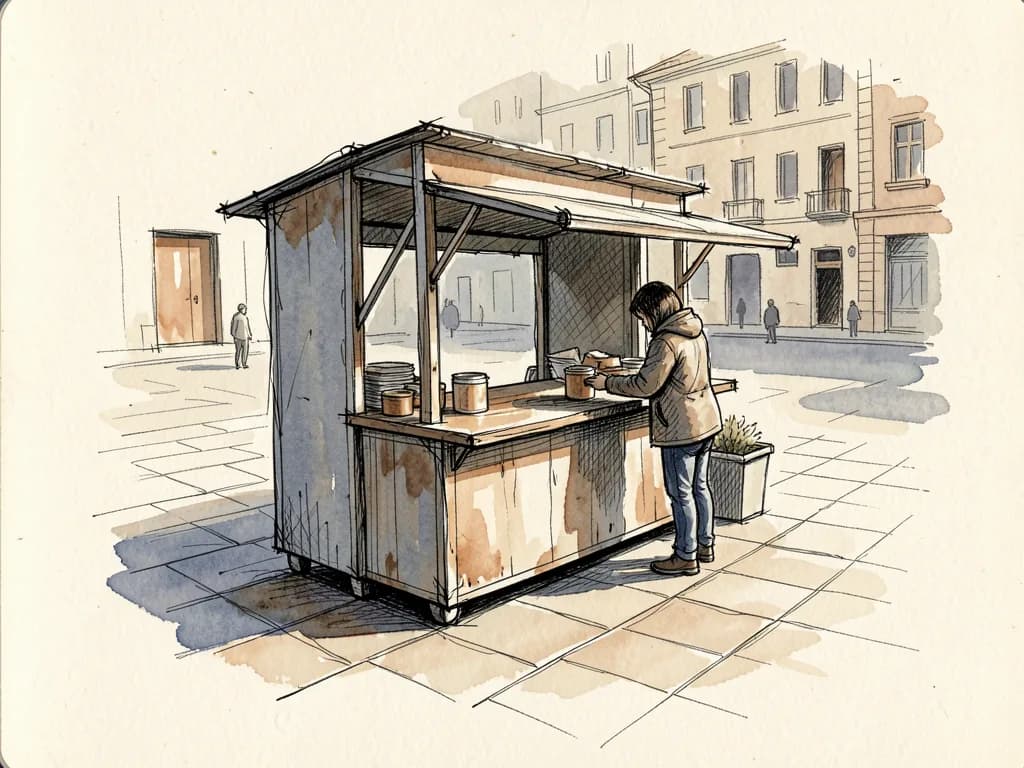
A quick audit can make that moment manageable: identify the voice asking you to wait, name the actual consequence, and check the rule. If the constraint is real, follow it deliberately. If not, choose a bounded next step.
Sammie
Bounded is the useful word. Send one message. Test one offer. Publish one draft. The aim is not to silence every critic in your head; it is to stop letting an imaginary committee control the calendar.
Simon
So the permission trap is not solved by declaring that nobody can tell you what to do. It is solved by knowing whose decision this is, what could happen, and whether the rule still applies.
Sammie
You may still decide not to proceed. That can be judgment rather than fear, provided you have examined the choice instead of waiting for a magical green light.
Simon
The smallest honest move
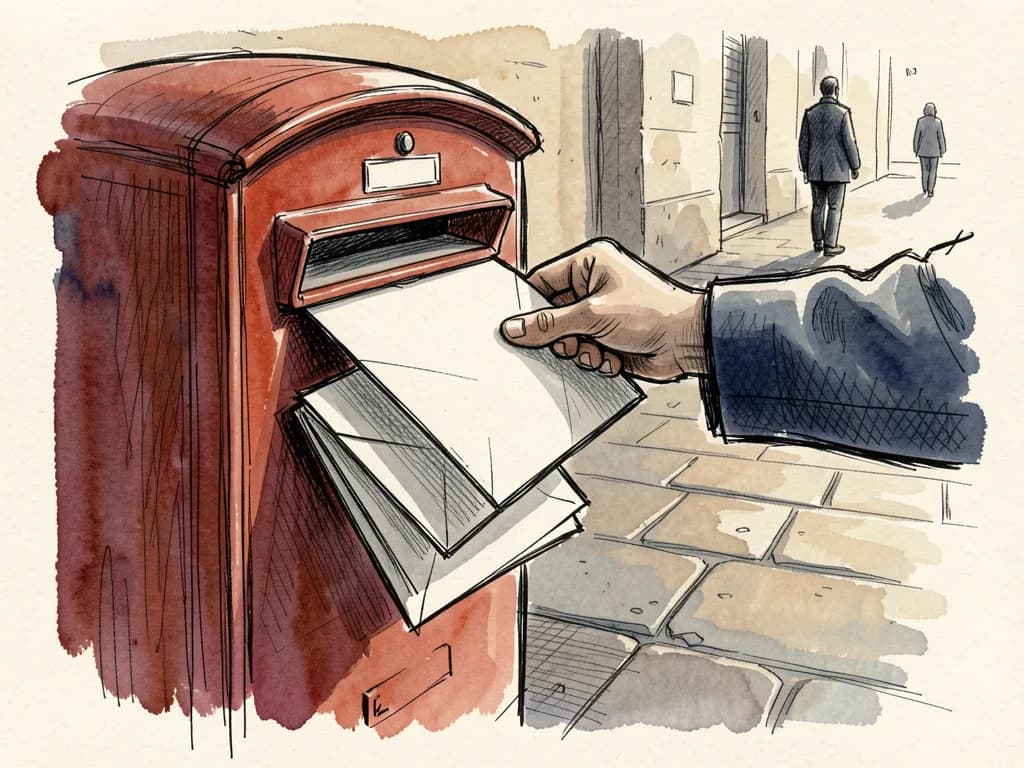
The adult version of permission is responsibility. You do not need to pretend the door is risk-free. You need to recognise when you are already standing in front of it, with enough information to choose whether to walk through.
Sammie
And if the old committee objects, let it explain the actual rule. If it cannot, thank it for trying to protect you, then make the smallest honest move that belongs to you.
Still open
- Will the offer help anyone?
- Who am I trying to please?
- What exactly happens if I act?
- Is the rule real or inherited?
Adapted from The Permission Trap.