Previous · Part 3
The Architecture of a Soul: Crafting Characters That Breathe
Next · Part 5
The Physics of Tension: How Stories Generate Need
This builds on Part 3: The Architecture of a Soul: Crafting Characters That Breathe
Continue with Part 5: The Physics of Tension: How Stories Generate Need
Big Decisions Steal the Spotlight. Small Ones Earn Trust.
Readers don’t fall in love with plot. They fall in love with recognition.
A character chooses something minor—what to say first, whether to call back, which cup to reach for—and suddenly the whole story feels inhabitable. Those choices are where character becomes visible. Big decisions announce themselves. Small decisions leak reality.
The Real Difference: Stakes vs. Specificity
Big choices often come with scenery: war, betrayal, prophecy, courtroom drama. The scene can carry the weight without the character earning it.
Small decisions are different. They are specific.
And specificity is the unit of narrative belief:
- “I’ll call him in the morning.”
- “I won’t.”
- “I’ll call, but I’ll ask for something else first.”
Same outcome category. Different internal logic. The reader feels that logic forming in real time.
Why Small Decisions Hit Harder Than Big Events
1) They show values without the speech
A dramatic choice can be explained after the fact: trauma, destiny, greed.
A small choice can’t hide behind explanation. It has to come from somewhere inside the character now.
2) They create texture, not just momentum
Plot moves the story forward. Micro-choices create texture—the sense that life is happening in the gaps.
If every moment is a turning point, nothing turns. If only the small moments contain friction, the larger moments land with meaning.
3) They create believable consequence
Small decisions don’t just lead somewhere. They accumulate.
A half-truth becomes a habit. A delayed call becomes distance. A refusal becomes a pattern the character can’t easily break.
The story starts to feel like causality, not choreography.
The Micro-Decision Ladder (A Practical Way to Write Them)
When you’re stuck, don’t “add drama.” Add decision layers.
Example of escalation (same situation, different narrative depth):
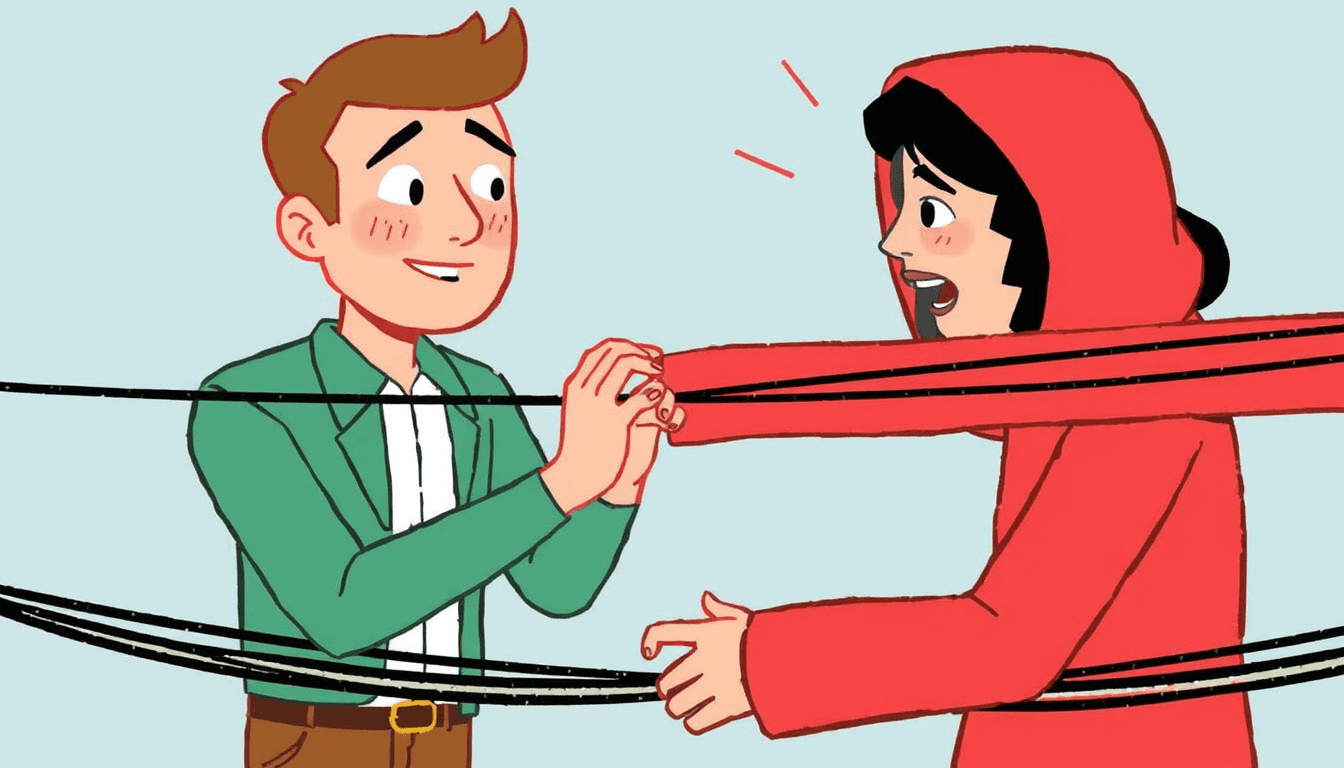
- Surface: She decides to confront him.
- Small decision: She chooses when to confront him.
- Micro-beat: She decides whether to start with an accusation—or a question.
- Real reveal: She decides to soften the phrasing because she’s afraid of being misunderstood.
One confrontation becomes a living thing.
Small Decisions Are Where Character “Authenticates”
Here’s the uncomfortable truth: readers can tolerate plot mechanics. They can’t tolerate emotional cheating.
A character makes a big move that contradicts what we saw earlier? The reader won’t forgive it—they’ll just stop trusting the story’s internal rules.
But if you’ve planted a few small decisions that point to the same internal logic, the big move feels inevitable. Not because fate wrote it. Because the character did.
How to Generate Small Decisions Without Forcing It
Use friction like weather: it’s everywhere, and it changes how you move.
Ask these questions at the start of a scene:
- What does the character want right now, in the smallest possible form?
- What would make this choice slightly harder?
- What would make it slightly easier?
- What are they protecting—status, pride, hope, image, or control?
- What do they pretend not to need?
Common traps (and what to do instead)
- Trap: Every small beat is clever.
- Fix: Make it true. Cleverness is optional; truth is not.
- Trap: Micro-decisions exist only as transitions.
- Fix: Give them emotional cost, even if the cost is small.
- Trap: The character always chooses the “best” option.
- Fix: Let them choose the option that matches their blind spot.
A Short Test: Would This Scene Still Work If Nothing “Big” Happened?
If you remove the dramatic event, does the scene still feel alive?
That’s your signal.
Small decisions are the engine room. Big events are the spotlight.
When you build a scene out of micro-choices, the reader will feel the story even when the external machinery goes quiet.
Final Takeaway Checklist
If this resonates, see how to apply it to your own work with the interactive Dispatch agent.
Be first to like this dispatch