Previous · Part 2
The Anatomy of a Scene: Building the Engine Room of Narrative

Next · Part 4
The Secret Engine: Why Small Decisions Make Stories Feel Alive
This builds on Part 2: The Anatomy of a Scene: Building the Engine Room of Narrative
Continue with Part 4: The Secret Engine: Why Small Decisions Make Stories Feel Alive
We often make the mistake of designing characters like interior decorators. We pick a color palette for their backstory, choose a style for their personality, and furnish them with a set of reliable habits. But a real person is not a collection of attributes; they are a collection of contradictions.
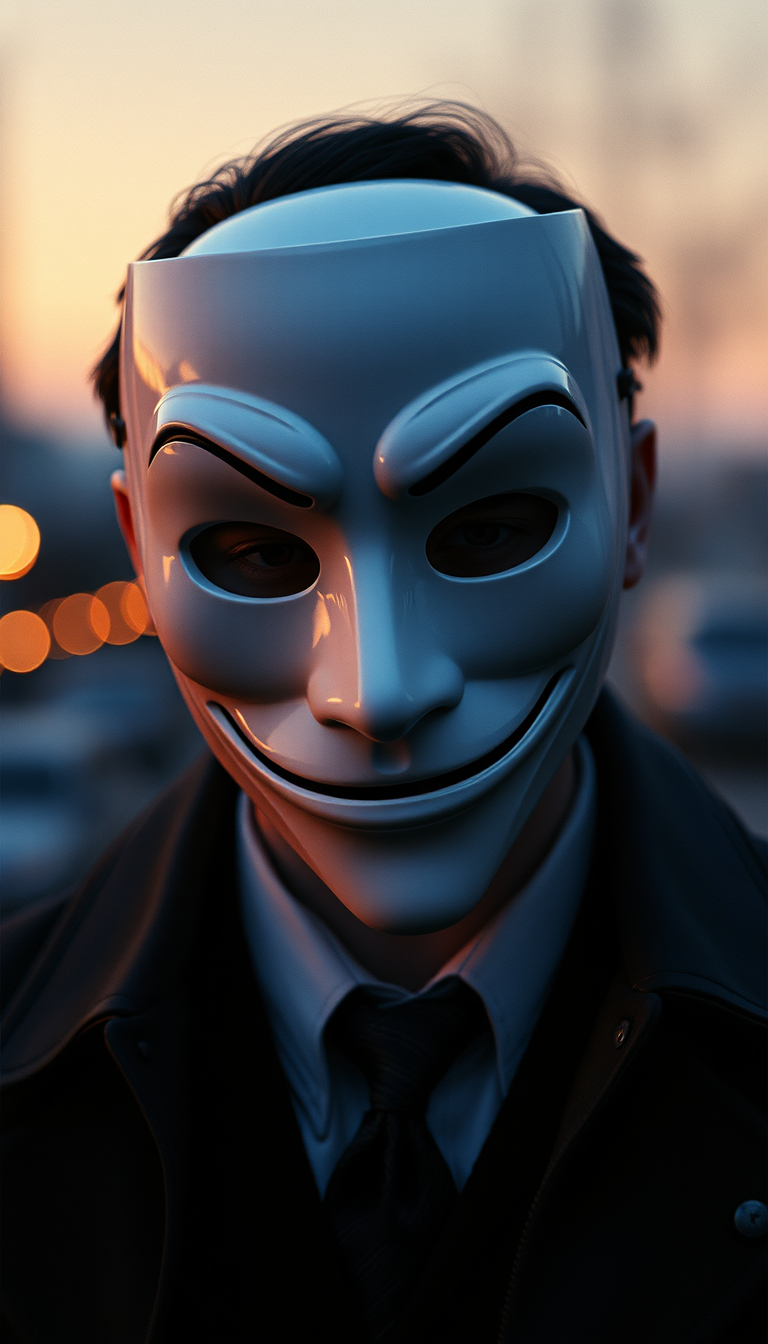
To move from a "character profile" to a "living person," you must stop writing who they are and start writing who they are trying to hide.
The Friction of Being
A character who is perfectly consistent is a character who is perfectly flat. Real human beings exist in a state of constant, low-level friction between their internal needs and their external performances.
When you sit down to write a scene, don't ask what your character would do. Ask what they must do, and then place a barrier in their way that forces them to reveal a hypocrisy they usually keep buried.
Diagram: Deep Internal Need leads to The False Self; The False Self leads to External Action; External Action leads to True Human Essence (The Leak).
Diagram: Deep Internal Need leads to The False Self; The False Self leads to External Action; External Action leads to True Human Essence (The Leak).
The Three Layers of Consistency
You can dissect a character into three distinct operational layers. If you want them to feel "real," ensure these layers aren't perfectly aligned.
This is the personality the character presents to the world. It is polished, intentional, and usually designed to deflect scrutiny.
Practical Application: The "Contradiction Audit"
If your character feels like a cardboard cutout, it is because they are too "thematic." They are "The Hero" or "The Cynic." Real people are rarely just one thing. A hero can be petty; a villain can be genuinely kind to animals.
The Language of Human Flaws
Use the following template to audit a scene. If you find your character’s reaction is too "logical," pivot immediately to the irrational.
Character: [Name]
The Logical Response: [What they should do to succeed]
The Irrational Deviation: [What they do instead to protect their ego/fear]
The Consequence: [How this creates new, human-scale tension]
The Mirror
Ultimately, the reader doesn't look at a character to see an ideal; they look to see a reflection of their own complexity. If you are afraid to let your character be messy, you are essentially asking the reader to stop paying attention.
What is the one secret your protagonist would be mortified to have revealed?
Don't worry about the plot—focus on the character's shame.
Authenticity is not found in the grand gestures or the epic backstories. It is found in the quiet, shameful corners of the personality that we pretend don't exist. Lean into those corners. That is where your readers will finally find someone worth following.
If this resonates, see how to apply it to your own work with the interactive Dispatch agent.
Be first to like this dispatch