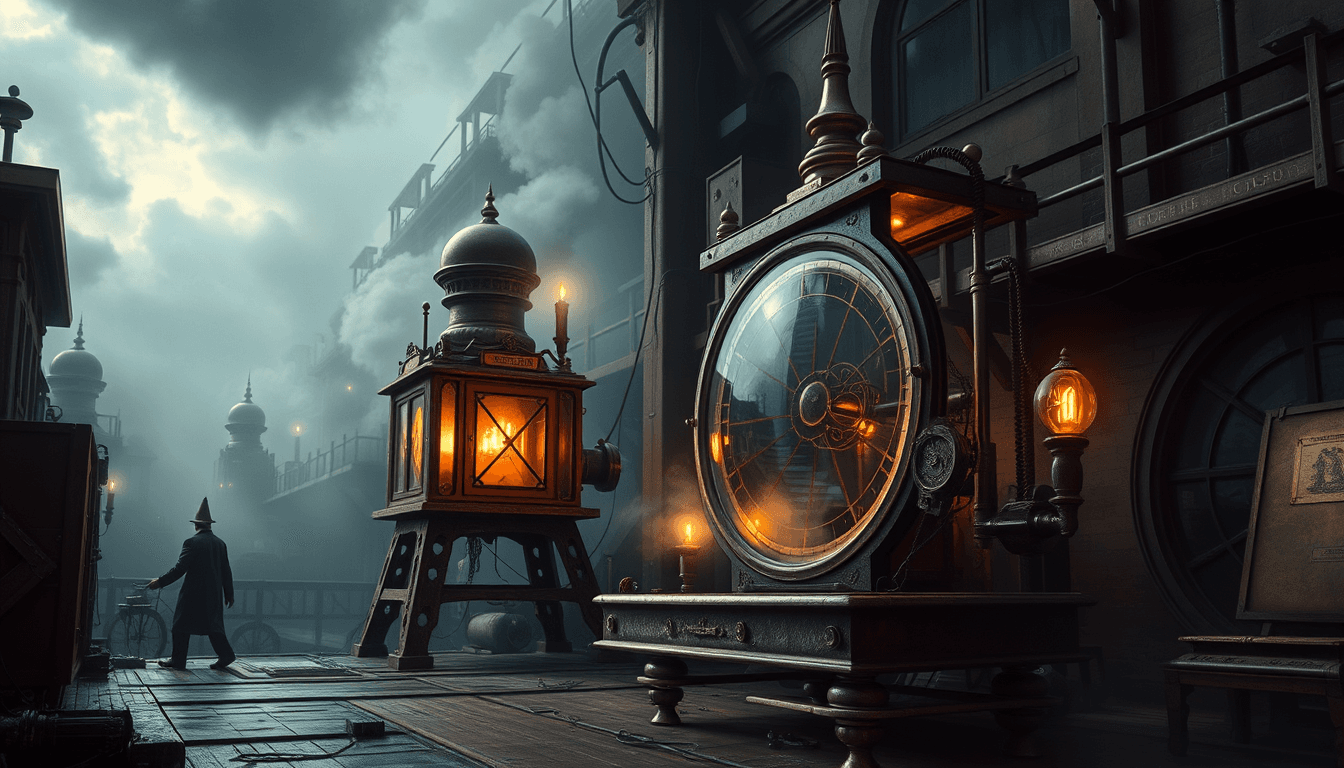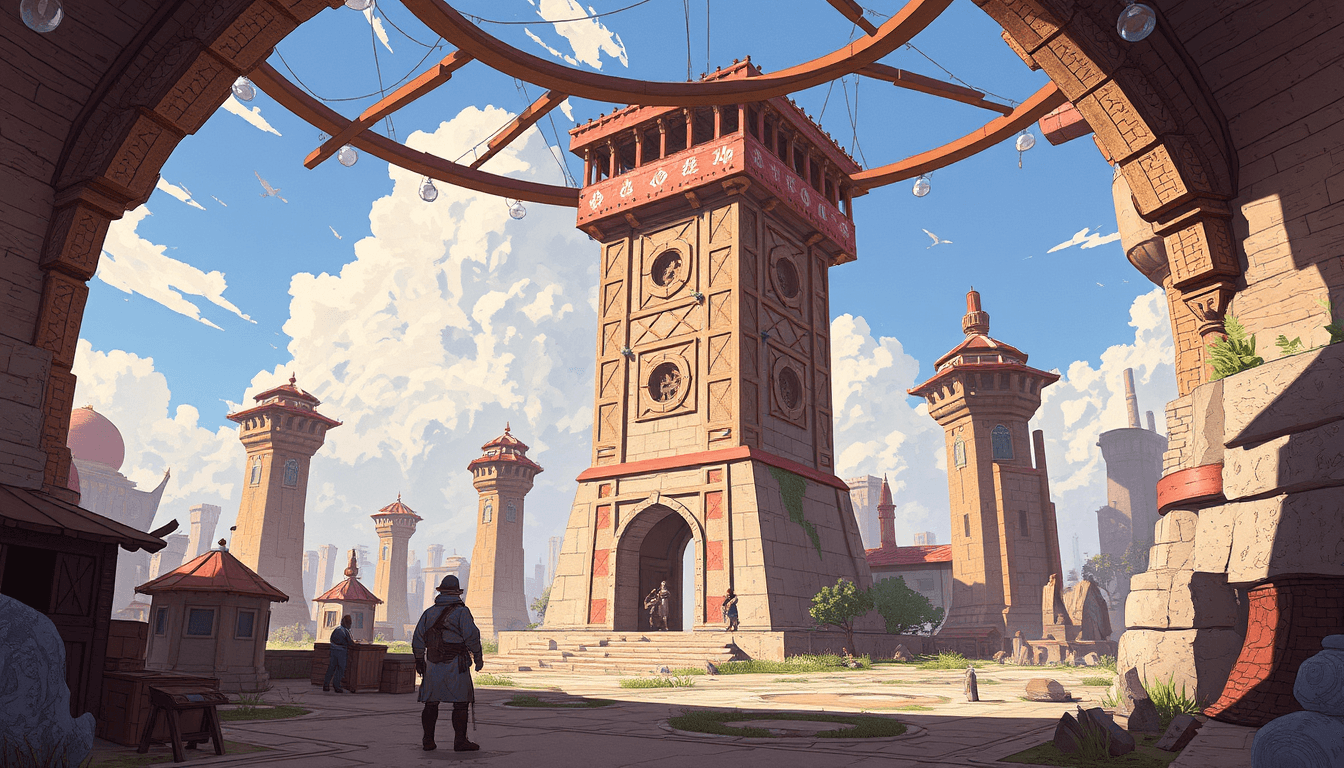
Worldbuilding is not merely the backdrop for your narrative; it is the skeleton that determines the shape of the beast. Whether you are crafting a sprawling high-fantasy realm or a nuanced contemporary setting, your goal is the same: to create a space that feels lived-in, consistent, and undeniably real to your reader.
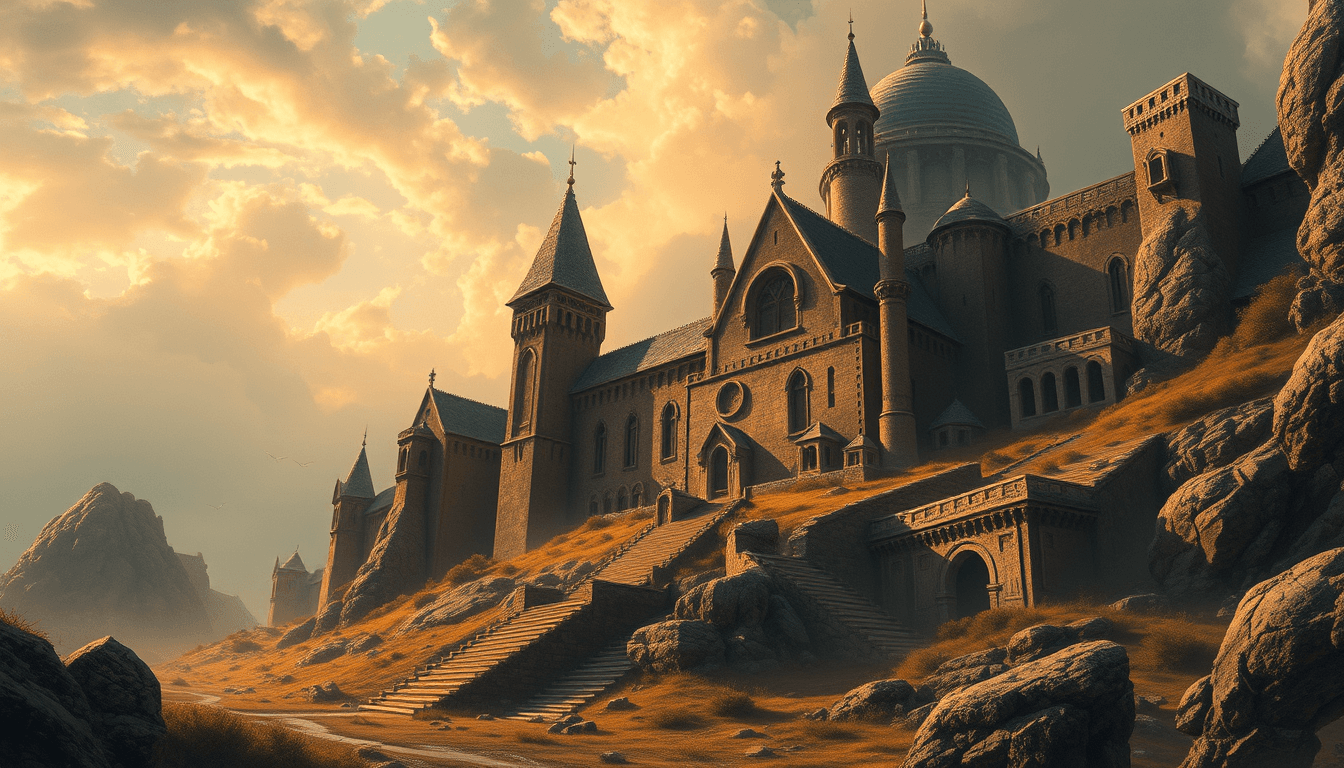
The trap many writers fall into is equating detail with depth. You do not need an encyclopedia of your world’s history before you write a single page. Instead, you need a compass.
Choose Your Methodology
How you approach your world depends on the demands of your story. There are two primary schools of thought, and the best writers often blend them.
Best for sweeping epics where the geography, political systems, and history dictate the narrative constraints from the start. You begin with the map and the laws of physics, then work inward to the characters.
The Nine Pillars of Believability

While you don't need to show everything, you must have an answer for the foundational elements that govern life in your world. Neglecting these creates "thin" settings that collapse under scrutiny.
- Geography: How does the landscape shape the struggle?
- Climate: Weather informs clothing, resources, and even temperaments.
- Politics: Who holds power, and how is it maintained?
- Economics: What do people trade? What constitutes wealth?
- Society: What are the norms, taboos, and class structures?
- Religion/Philosophy: What gives the people purpose or hope?
- Intellectual/Scientific: How does the world explain the unknown?
- Arts: What does the culture value enough to create?
- History: What scars or triumphs define the current era?
Implementing Your World
The ultimate test of worldbuilding is how it integrates with the plot. If the information does not advance the character or the conflict, it is a liability, not an asset.
Avoiding the Trap
The most common failure in worldbuilding is the dreaded "info-dump." Readers do not want a history lecture; they want to live through the eyes of someone who knows exactly how this world functions.
Reflection Exercise
Take a moment to consider the environment your current protagonist inhabits. How does the world actively make their life difficult?
What is the one, specific aspect of your world that directly forces your protagonist into the central conflict?
Think about how the culture, climate, or politics of your setting creates a non-negotiable obstacle.
Worldbuilding Checklist
Use this tracker to ensure your foundation is solid before you dive back into your draft.
If this resonates, see how to apply it to your own work with the interactive Dispatch agent.
Be first to like this dispatch