
The Sense-Making Series Volume I — Becoming the Person Who Sees the Pattern
In an age of endless noise, the ability to make sense of complexity is rare and powerful. This series distills the core practices of sense-making, from isolating signals to articulating insights that move people. Join the journey to become the person who sees the pattern and shapes understanding.
Sense-making is the disciplined art of seeing patterns that others overlook.
Part of a larger framework on cognitive tools for modern decision-making.
Series Structure
The series unfolds in phases. Read in order to feel the system tighten and pay off.


In This Series
Best read in order. Each phase sharpens the one before it.
The Core Discipline
This phase establishes the foundational skill of sense-making, from reducing noise to naming hidden tensions and finding levers.
The Skill That Turns Noise Into Signal
Sense-making is the disciplined practice of reducing noise, detecting structure, and communicating what matters. It is the foundational skill for turning complex information into clear, usable understanding.

The Power of Naming What No One Has Said Yet
--- There's a specific kind of confusion that doesn't feel like confusion. It feels like atmosphere. You've been in a meeting where the energy shifts. Everyone's nodding, but somet…

Finding the Hidden Lever
Every system has a surface — the parts everyone can see, the variables everyone talks about, the inputs that feel obvious. And every system has a hidden lever: the one variable, me…
From Fragments to Frames
This phase shifts from passive collection to active structuring, turning observations into portable, actionable frames.
Stop Collecting Fragments. Start Isolating Structure.
There's a particular kind of intellectual exhaustion that comes from doing everything right — reading widely, taking careful notes, bookmarking everything that seems important — an…

The Difference Between a Library and a Lens
--- There's a particular kind of person who reads widely, saves compulsively, and can recall an impressive number of facts, articles, and frameworks. They are, by every visible mea…

The Moment Raw Noticing Becomes a Usable Frame
--- There's a gap most people never name. You notice things. You collect observations, patterns, fragments of signal. You sense that something is there — a trend, a tension, a recu…
Actionable Clarity
This phase sharpens the ability to make insights actionable and share them as collective infrastructure that moves people.
The Thinking That Moves People
There's a particular kind of meeting where someone lays out a brilliant analysis. The room goes quiet. People nod. And then nothing changes. The same decisions get made. The same p…
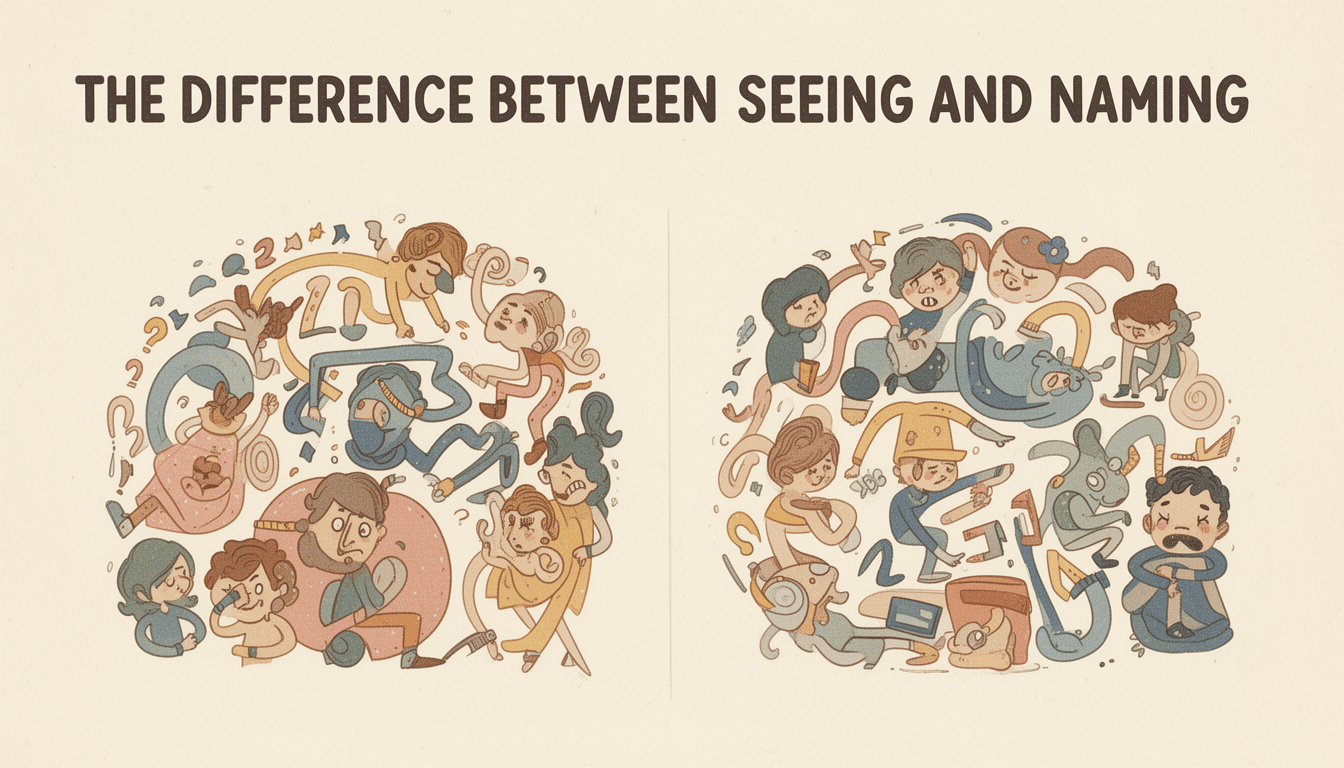
The Difference Between Seeing and Naming
You've felt it. The moment a pattern clicks — a shift in a meeting, a tension in a market, a contradiction in someone's logic. You see it. The recognition is immediate, almost phys…

The Moment Your Insight Becomes Someone Else’s Map
Your interpretation, when repeated with clarity, does not remain your private insight. It becomes a tool others use to orient themselves. This is the transition from personal sense…
Interpretation as Influence
This phase accumulates advanced techniques for handling complexity, shaping influence through explanation, and applying disciplined reduction.
When No One Draws the Lines
There is a particular kind of exhaustion that has nothing to do with effort. It comes from staring at a wall of information — reports, data, competing opinions, historical context …
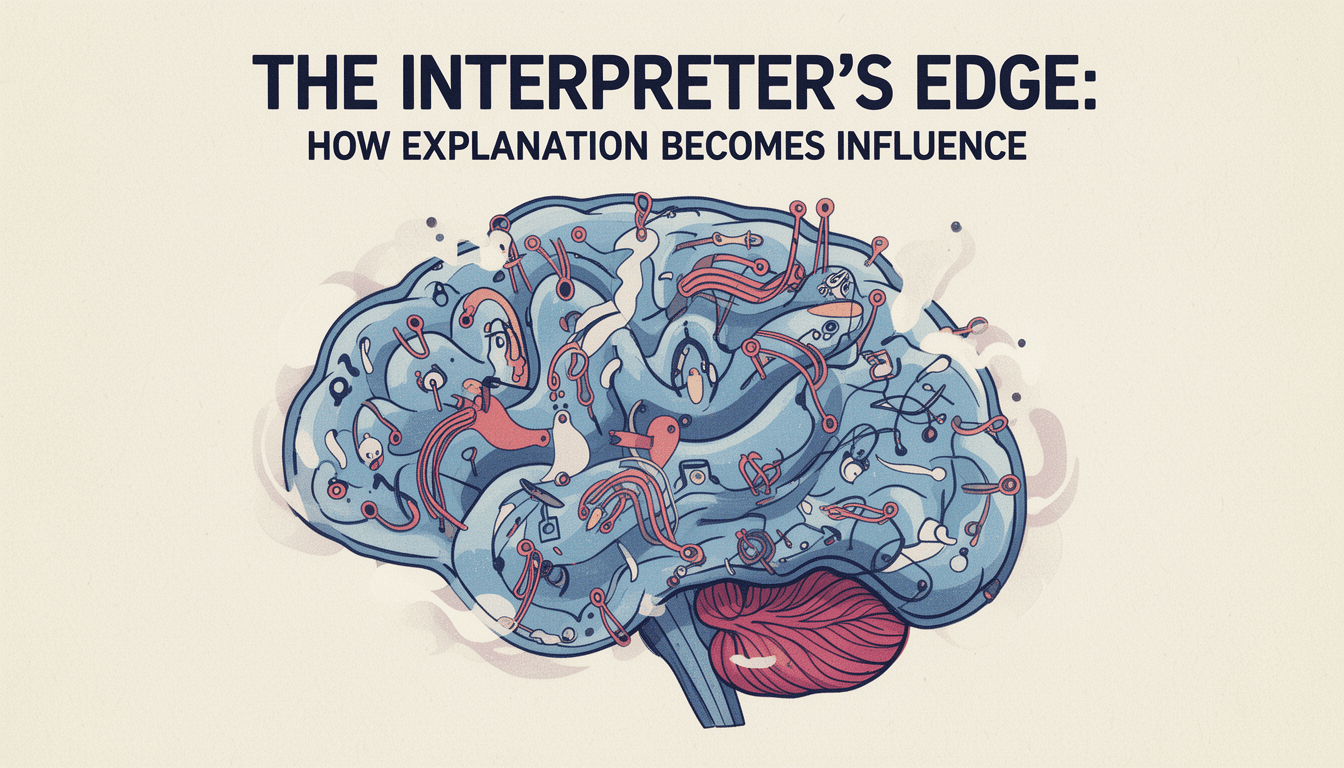
The Interpreter's Edge: How Explanation Becomes Influence
There’s a quiet power in being the person who explains a space well. It’s not the power of the inventor or the operator, but of the curator of meaning. The best interpreters don’t …

The Practical Art of Reduction
Most people confuse reduction with deletion. They think it’s about removing things—cutting word counts, pruning options, simplifying a plan. That’s a mistake. Deletion is indiscrim…
Refinement and Moat
This phase refines thoughts to clarity and positions sense-making as a durable competitive advantage through sharpened articulation.
The Paradox of the Obvious Insight
--- There is a specific moment every sense-maker eventually encounters. You spend weeks — sometimes months — sitting with a problem. You turn it over. You test framings that don't …
The Discipline of Sharpening a Thought
Intuition is the raw material. It arrives as a hunch, a feeling, a sudden coherence in the noise. But a hunch, no matter how potent, is not yet an instrument. It cannot be handed t…

The Moat Nobody Is Building
--- Everyone is producing more. Fewer people are understanding better. This is the central paradox of the current moment. The tools of production have been democratised so thorough…