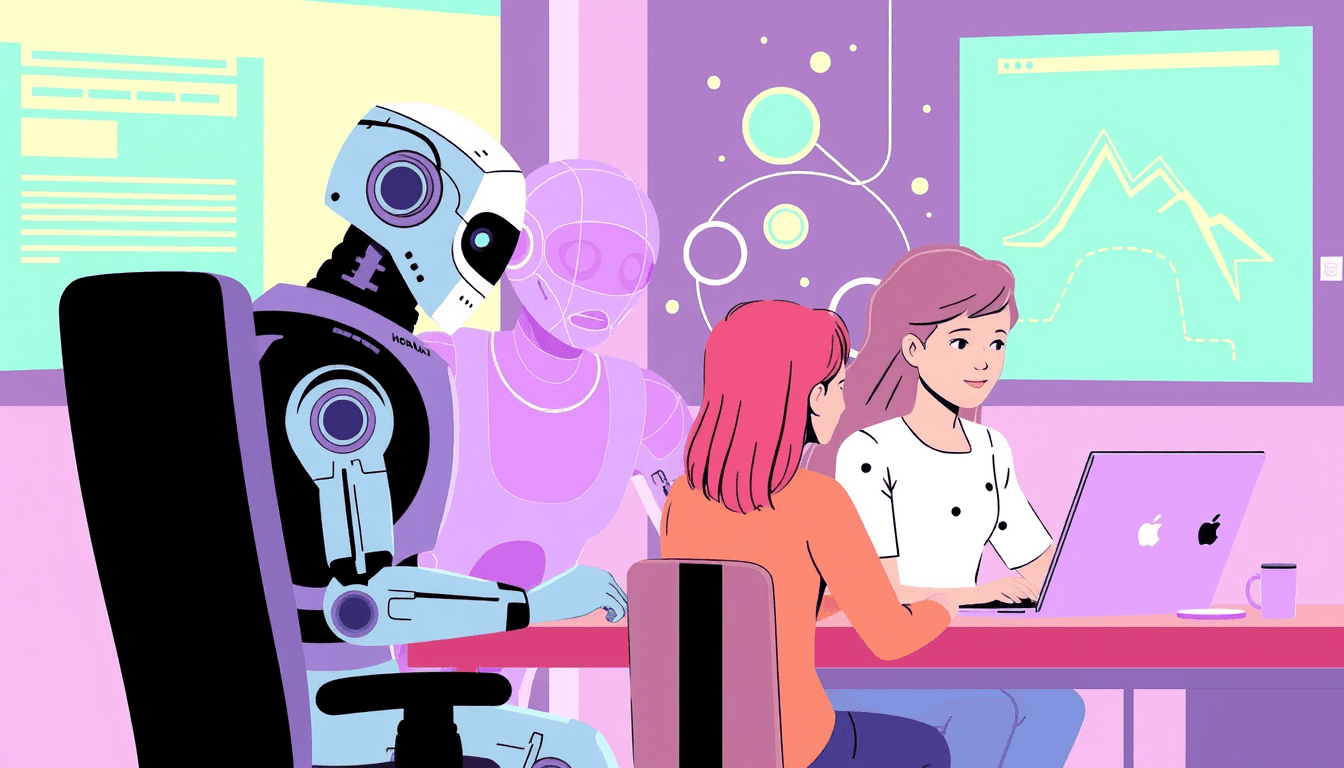
True leverage is found not by removing all friction, but by choosing exactly where it remains.

Previous · Part 5
The Scaling Paradox: Why Reach Often Erodes Trust

Next · Part 7
The Echo and the Spark: Navigating the Tension Between Consistency and Originality
This builds on Part 5: The Scaling Paradox: Why Reach Often Erodes Trust
Continue with Part 7: The Echo and the Spark: Navigating the Tension Between Consistency and Originality
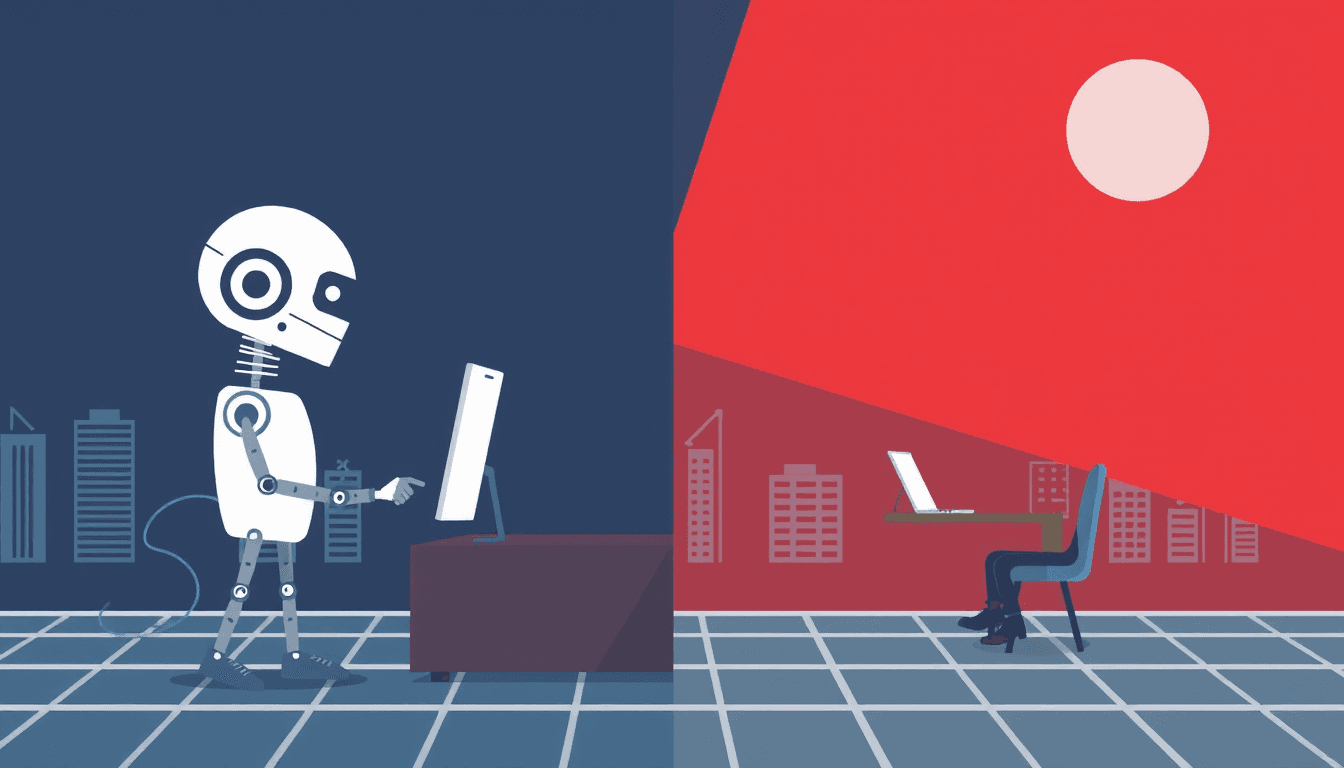
Automation is the seductive promise of the frictionless life. We build systems to handle the repetitive, the mundane, and the predictable—reclaiming our hours by offloading our friction. But there is a silent transition that occurs when a system moves from assisting our work to dictating it.
The danger is not that automation fails to work; it is that it works too well, blinding us to the nuances that exist at the margins.
The Architecture of the Default
When we automate, we are essentially encoding our past decisions into a static logic flow. We turn a "choice" into a "setting." This is brilliant for consistency, but it assumes the environment will remain as stable as the moment we built the machine.
Diagram: Inputs leads to Standard Flow; Standard Flow leads to Routine Action; Standard Flow leads to Edge Case; Edge Case leads to Manual Override Required (System Error).
Diagram: Inputs leads to Standard Flow; Standard Flow leads to Routine Action; Standard Flow leads to Edge Case; Edge Case leads to Manual Override Required (System Error).
The problem arises when we stop looking for the edge cases. As we become comfortable with the machine doing the work, our capacity for judgement—our "muscle" for navigating complexity—begins to atrophy.
Know Where to Draw the Line
It is tempting to automate everything until the system breaks. Instead, classify your tasks by their sensitivity to context.
Repetitive tasks where the cost of a mistake is low.
Example: Filing receipts, scheduling posts.
The Cost of the "System-First" Mindset
When you rely entirely on automation, you lose the ability to detect when the game has changed. You are optimizing for a world that may no longer exist.
Over-automation degrades long-term decision-making capacity.
Systems eliminate the need to weigh trade-offs.
- —Algorithms ignore the "why" behind data.
- —System reliance reduces exposure to unique, non-repeating problems.
- —Efficiency creates a false sense of security in volatile environments.
You must re-introduce manual friction to maintain sharpen your edge.
Reclaiming the Driver’s Seat
You do not need to abandon your tools, but you must audit your relationship with them. Use this framework to ensure you are still the one steering the ship.
Think of a process you have fully automated in your work.
What is the "exception" that you currently ignore, and what might happen if you had to handle that exception manually every time?
The goal is not to be a Luddite, nor a slave to the machine. The goal is to build a system that alerts you when it’s time for you to leave the dashboard and step back into the world. Automation should be the hand that clears the table, not the mind that sets the menu.
If this resonates, see how to apply it to your own work with the interactive Dispatch agent.
Be first to like this dispatch