You don’t need more effort—you need a cleaner signal chain that steers you from emotion to action.

Previous · Part 15
The Precision Principle: Build With Words You Can Stand Behind
Next · Part 17
Rhythm Over Intensity: The Unseen Architect’s Consistency Advantage
This builds on Part 15: The Precision Principle: Build With Words You Can Stand Behind
Continue with Part 17: Rhythm Over Intensity: The Unseen Architect’s Consistency Advantage
The problem with “trying harder”
You don’t need more discipline. You need fewer decisions.
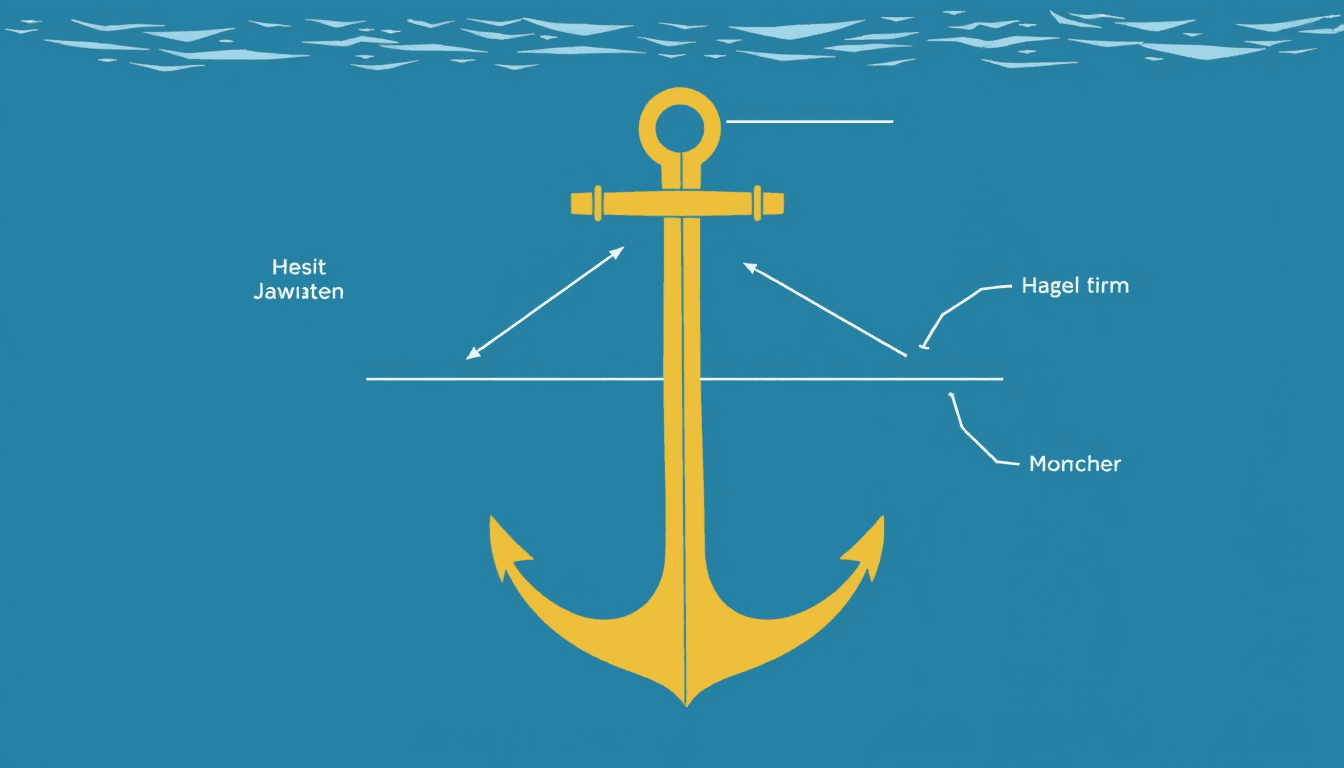
When you’re aligned, you can feel it: your inner weather quiets, your focus snaps into place, and your next step feels obvious. But when you drift, you usually don’t drift because you “failed.” You drift because you lost an anchor.
This part is about returning to yourself—quickly, reliably, without bargaining with willpower.
What an anchor is (in plain terms)
An anchor is a simple internal or external cue that reliably brings you back into your aligned state.
It’s not a “ritual for luck.” It’s a signal system—like a compass reference point—so your mind stops freelancing and starts reorienting.
Why anchors matter in conscious creation
Conscious creation works when your inner system is in sync: emotion → intention → belief, with resonance holding the connection.
An anchor helps you do two things:
- Recalibrate alignment when you wobble (emotion is your compass).
- Reduce friction so you don’t need effort just to get back on track.
How anchors link to the adjacent pillars
- Emotion → Alignment: When you notice the shift, an anchor helps you interpret it as navigation, not judgment.
- Words → Lexicon: Anchors often include a phrase—something you can “say inside” to bind your intention to the moment.
- Belief → Conviction: Consistent return builds evidence. Evidence becomes conviction. Conviction becomes stable creation.
Resonance check: what misalignment looks like
When you’re anchored, you feel:
- grounded attention
- coherent desire (not scattered craving)
- calm momentum
When you’re not anchored, you typically feel:
- mental buzzing or urgency
- reactivity that hijacks intention
- “I know what to do… but I can’t access it”
Continue reading with a subscription
Explorer and Immersion subscribers get full access to all premium dispatches, series, and long-form guides.
If this resonates, see how to apply it to your own work with the interactive Dispatch agent.
Be first to like this dispatch